You order a cappuccino expecting a full cup of coffee, only to find half of it is airy foam. That image captures what Port Shelter Investment Management CEO Richard Harris is calling the current AI stocks environment—a market packed with surface froth over a smaller core of real underlying value.
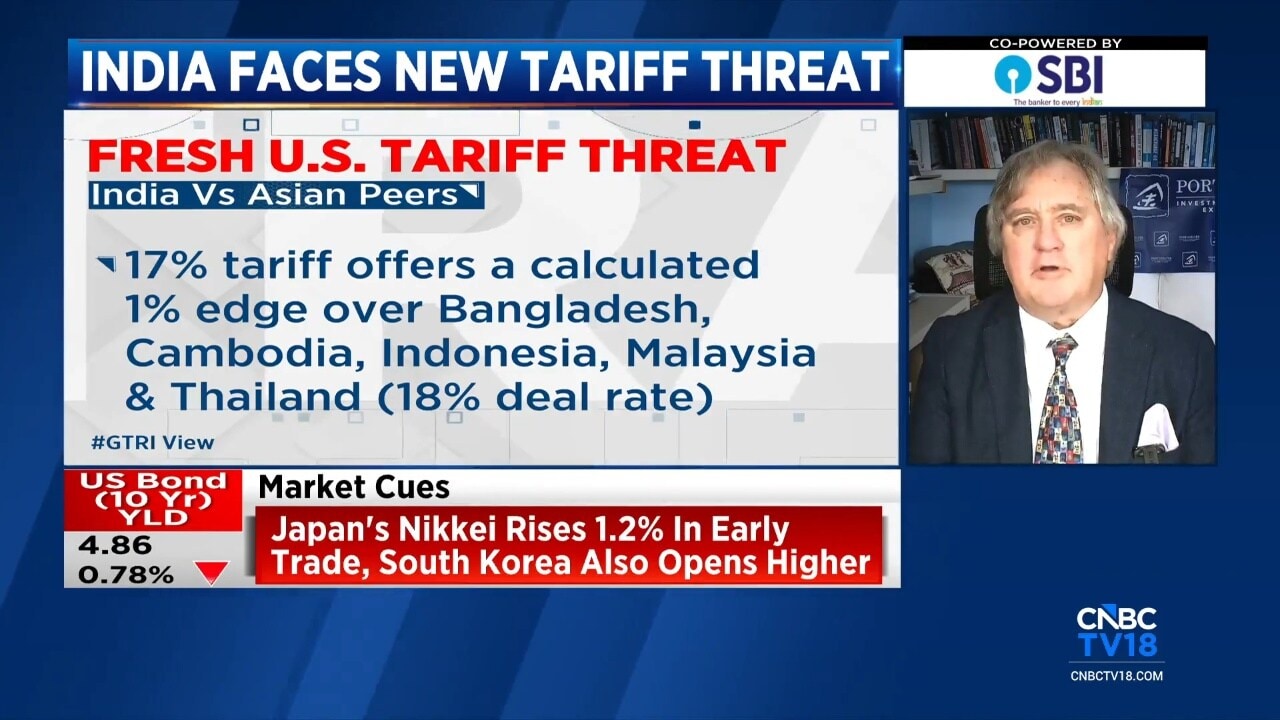
Harris, who has spent four decades working across investment and capital markets in Asia and beyond, isn't saying artificial intelligence is fake. He's saying much of the good news is already baked into prices, leaving less room for pleasant surprises as 2027 approaches. In interviews covered by CNBC-TV18 and other outlets in November 2026, he argued that trade tariff threats are less likely to rattle markets on their own than stretched tech valuations, emotional swings in names like Nvidia, and a lack of fresh growth catalysts heading into early 2027.
Let's be honest. Most retail investors hear "AI bubble" and either panic-sell everything or laugh it off as permabear noise. Neither reaction helps you when volatility spikes. What matters right now is separating real cash flows and durable demand from hype that borrowed too much from future years.
Why AI Stocks Feel Frothy After A Massive Run
When a theme dominates headlines for years, prices stop waiting for proof. They start pricing in perfection.
Harris has pointed out that tech and AI stocks appear to have pulled forward performance from the future, drawing comparisons to the dot-com era around 2000 when even real winners took years to reclaim old highs after a reset. When valuations sit high, even a solid earnings report can trigger a pullback if the whisper number was higher or if capital spending starts raising eyebrows.
Look at what's happening across big tech spending and market reactions in late 2026. Major cloud and tech players have been pouring hundreds of billions into data centers, chips, and infrastructure—with research from institutions like Goldman Sachs pointing to roughly $1 trillion in global AI-related investment for 2026 and UBS projecting AI capital expenditure climbing toward $1.4 trillion in 2027. Yet in late November 2026, major tech names still saw sharp pullbacks as investors questioned near-term returns against massive capital outlays.
Here is the tension nobody likes admitting out loud. Spending big proves conviction, sure. It also raises the bar on return on invested capital. If customers don't monetize fast enough to justify every dollar of server and power buildout, margins feel the squeeze.
- Valuation stretch: High multiples leave little cushion when growth rates merely normalize rather than accelerate.
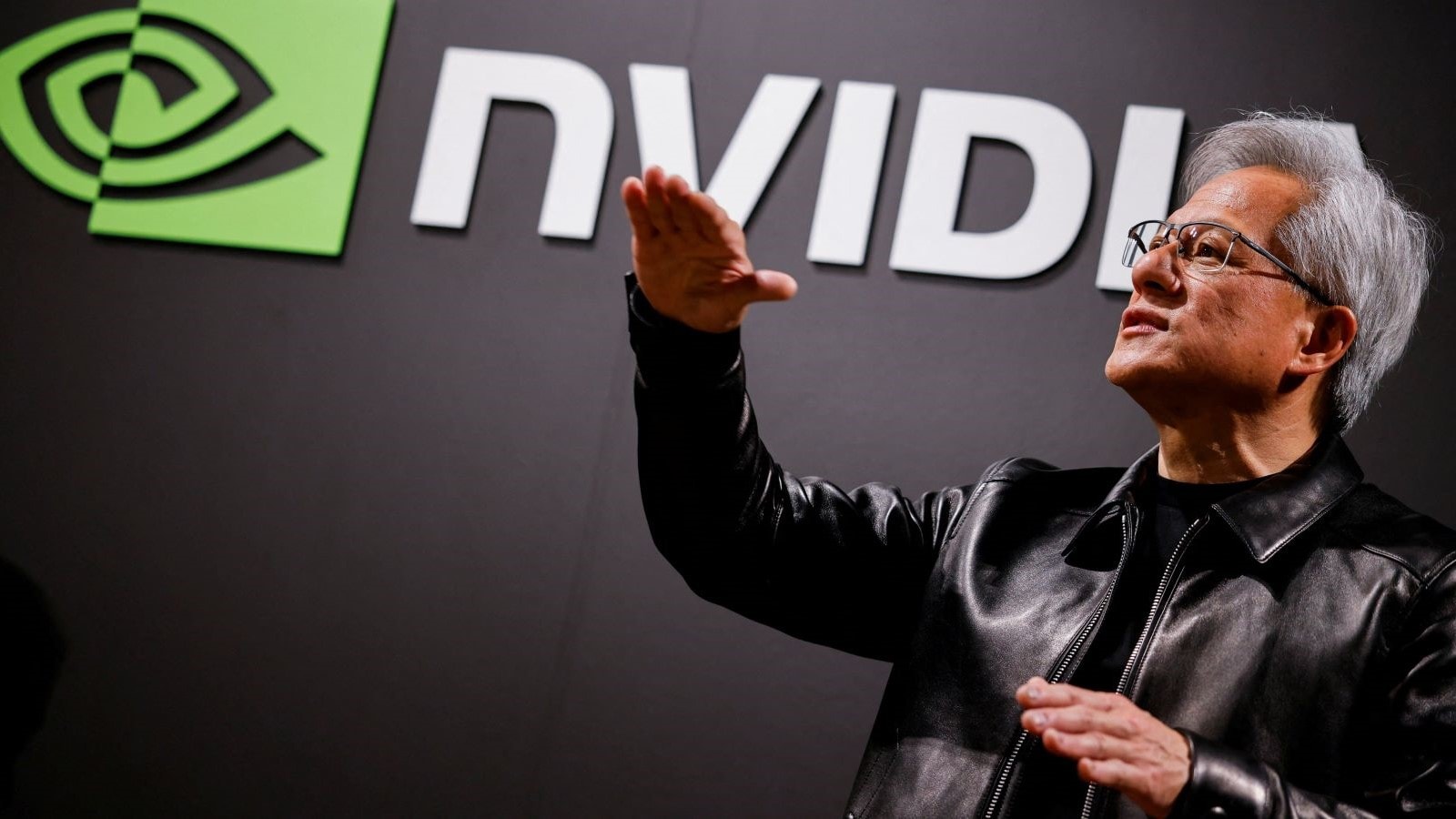
- Sentiment whipsaws: Big-cap leaders like Nvidia can swing sharply on headlines, flows, or positioning shifts rather than a single day's fundamentals.
- Expectation fatigue: After years of blockbuster AI narratives, repeating "strong demand" isn't a shock anymore; investors want proof of profits and payback periods.
Tariffs, Politics, And Why Early 2027 Looks Tricky
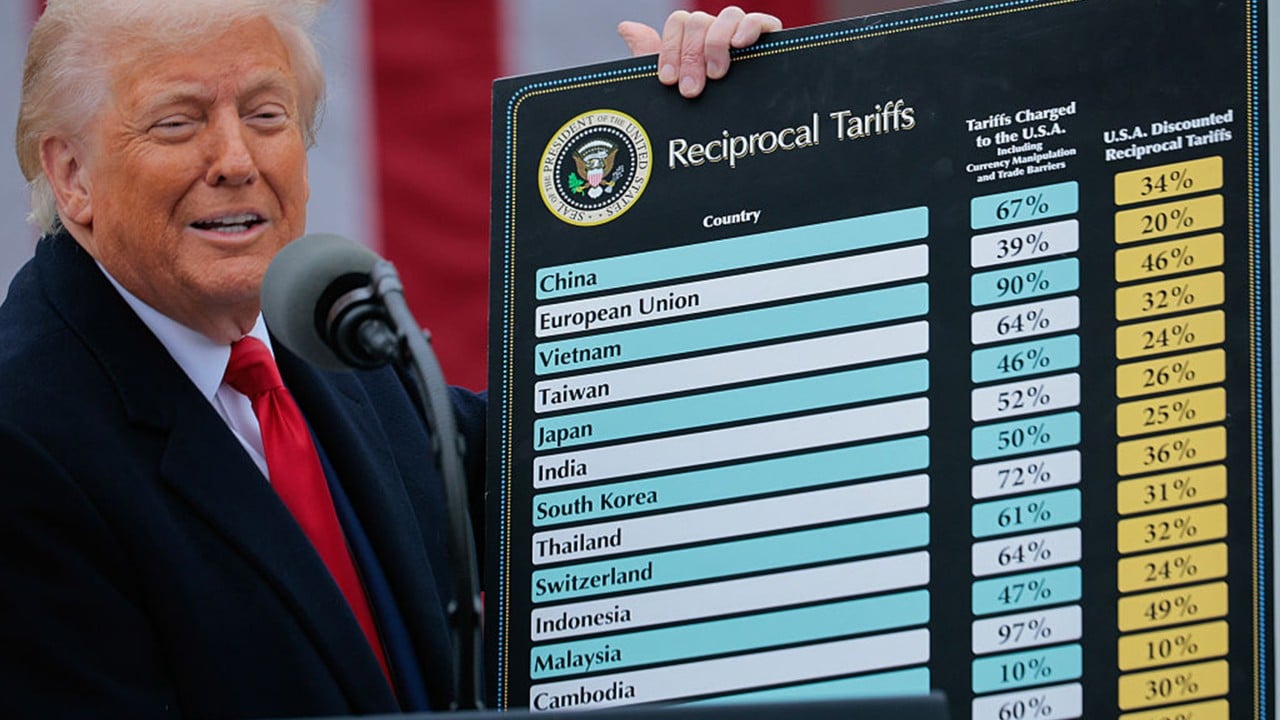
A lot of people assume tariff headlines are the single biggest threat to global equities right now. Harris takes a more nuanced view—suggesting tariff threats alone may not shock markets the way people expect, because investors have already heard plenty of tariff talk and adapted to trade friction.
What feels heavier to him is the mix of stretched valuations, political gridlock, inflation pressures, and a market running low on new catalysts heading into early 2027. When markets lack a fresh spark, small disappointments hit harder. A slightly softer guidance line, a bump in bond yields, or a pause in data-center orders can spark a broader rotation.
There's also a regional ripple effect worth watching. AI hardware and supply chains span the US, Taiwan, South Korea, and wider Asia. When US tech wobbles, chipmakers and exporters tied to AI infrastructure feel it fast—sometimes before domestic software buyers even change their budgets.
Spot Real Value Inside The Foam
Calling something a "cappuccino market" doesn't mean the whole cup is empty. Under the foam, there's real coffee.
In practical terms, that means looking past loud slogans and checking which businesses actually generate cash, hold pricing power, and convert AI demand into durable revenue. Cloud platforms with real enterprise backlog, grid and power suppliers solving physical bottlenecks, and companies using AI to cut real operating costs stand on much firmer ground than outfits selling pure promise.
I've watched plenty of market cycles over the years, and the same mistake repeats every time. Investors treat an entire sector as one single trade. You don't have to guess whether "AI" as a broad label is up or down next quarter if you grade individual companies on balance sheet strength, free cash flow, and reasonable entry prices.
Questions Investors Keep Asking About The AI Slowdown
Will AI stocks crash like 2000? Nobody can ring a bell at the top, and today's mega-caps have far stronger balance sheets and real earnings than many unprofitable dot-com names had in 1999. Still, Harris's warning about borrowing from the future is a reminder that high-multiple stocks can suffer long drawdowns or dead money stretches even when the underlying technology keeps advancing.
Are tariffs still a risk to tech portfolios? Yes, indirectly. Even if a specific tariff headline doesn't spark an immediate crash, supply-chain friction, higher input costs, or retaliatory rules can slow hardware rollouts or pressure margins in specific corners of the supply chain.
Why focus on early 2027? Year-end seasonality often masks deeper shifts, while early 2027 brings fresh annual budgets, updated corporate guidance, and a clearer read on whether massive AI capital spending is translating into strong returns.
Practical Next Steps Before 2027
You don't need a dramatic overhaul to protect a portfolio against froth and choppy trading. Keep your moves grounded and disciplined.
- Audit your concentration. Check how much of your equity exposure is quietly riding the same AI and mega-cap tech trade through individual stocks and index funds.
- Separate hype from cash flow. Favor companies with healthy free cash flow, clear customer demand, and sensible valuations over stories that rely on distant payoffs.
- Set a cash and rebalance plan. Decide ahead of time how you'll trim overextended winners or add to quality assets on pullbacks so emotion doesn't drive your trades.
- Watch the 2027 capex-to-revenue gap. Pay close attention to upcoming earnings calls for signs of whether enterprise AI adoption and cloud monetization are keeping pace with record infrastructure spending.