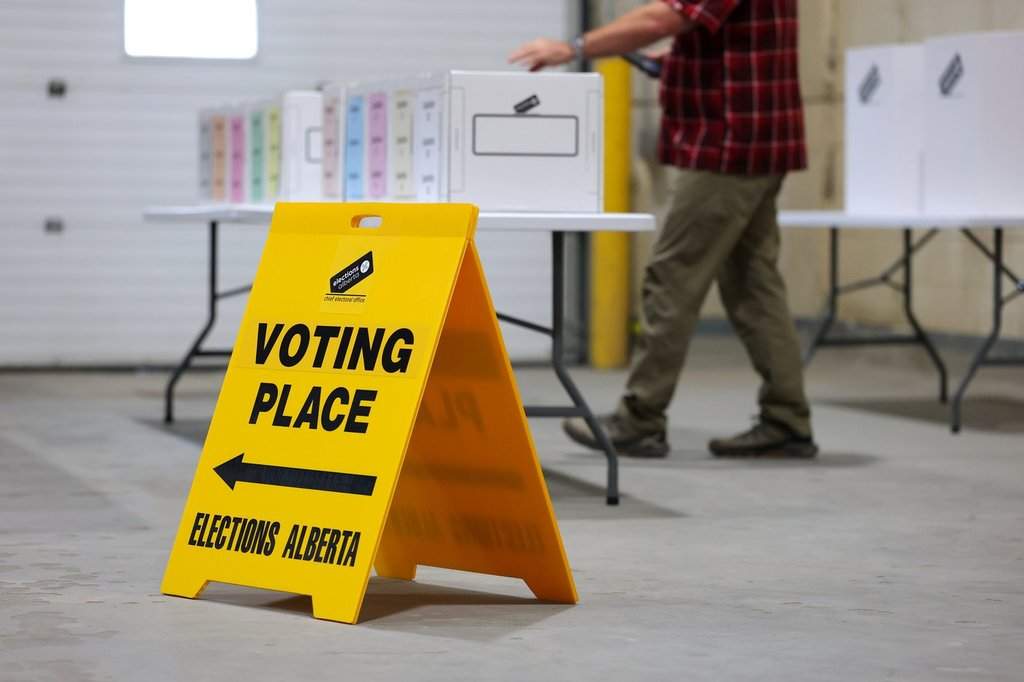
Democracy shouldn't require standing in line for hours just to make your voice heard. Yet that is precisely what happened to voters in several Indigenous communities during Alberta's recent referendum. When the dust settled on a vote that saw residents decisively reject provincial separation, stark administrative failures left rural voters stranded outside polling stations, waiting through extended hours and facing unexpected ballot shortages.
Elections Alberta blamed high turnout. But leaders like Siksika First Nation Chief Samuel Crowfoot aren't buying the simple excuse that enthusiasm caught officials completely off guard.
The Reality Behind the Lines
On voting day, 106 polling stations across the province stayed open late due to delayed openings and massive queues. In communities like Siksika First Nation, polling stations had to extend voting by more than 90 minutes. Voters faced excessive wait times because the allocation of physical ballots and polling resources fell flat.
Elections Alberta spokesperson Kevin Duncan defended the agency's performance, pointing out that historical data guided their distribution models. When turnout surged past projections, workers had to scramble to deliver additional ballots mid-day.
Officials spin this as a positive indicator of civic engagement. High voter turnout is fantastic, but treating a structural resource shortage as a happy accident misses the mark entirely. When rural and Indigenous voters consistently hit systemic speedbumps that urban centers avoid, trust in the democratic process takes a direct hit.
What Indigenous Leaders Are Demanding
Chief Crowfoot made it clear that a quick pat on the back isn't going to fix things. He wants a thorough, transparent review of how Elections Alberta distributes staff, ballots, and operational infrastructure to rural areas.
- Resource Allocation: Historical trends fail when communities experience sudden shifts in participation. Planners need real-time monitoring.
- Staffing and Logistics: Late openings caused by minor illnesses or logistical hiccups compound quickly when options are limited.
- Accountability: Trust relies on open communication about why things broke down and how to prevent it next time.
Rural communities operate under distinct logistical realities. Distance from major administrative hubs, internet connectivity hurdles, and localized staffing challenges mean that a cookie-cutter provincial voting strategy simply fails on the ground.
Fixing the Voting Infrastructure
You can't encourage high turnout while simultaneously starving polling stations of the physical inventory required to process voters smoothly. If a one-day event spanning 1,400 locations requires deploying over 47,000 workers, the margin for error is razor-thin. When that margin collapses, the burden falls disproportionately on marginalized communities who already navigate structural barriers to civic participation.
Protecting the integrity of future votes means updating forecasting methods to reflect actual community dynamics rather than relying on stale historical averages. Election bodies need to treat remote and Indigenous polling locations as critical priorities, ensuring backup ballots and robust internet infrastructure are standard protocol before doors open.
Take a hard look at how your local voting station operates, and hold election officials accountable for equity, not just aggregate turnout numbers.