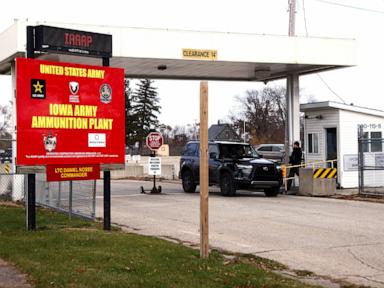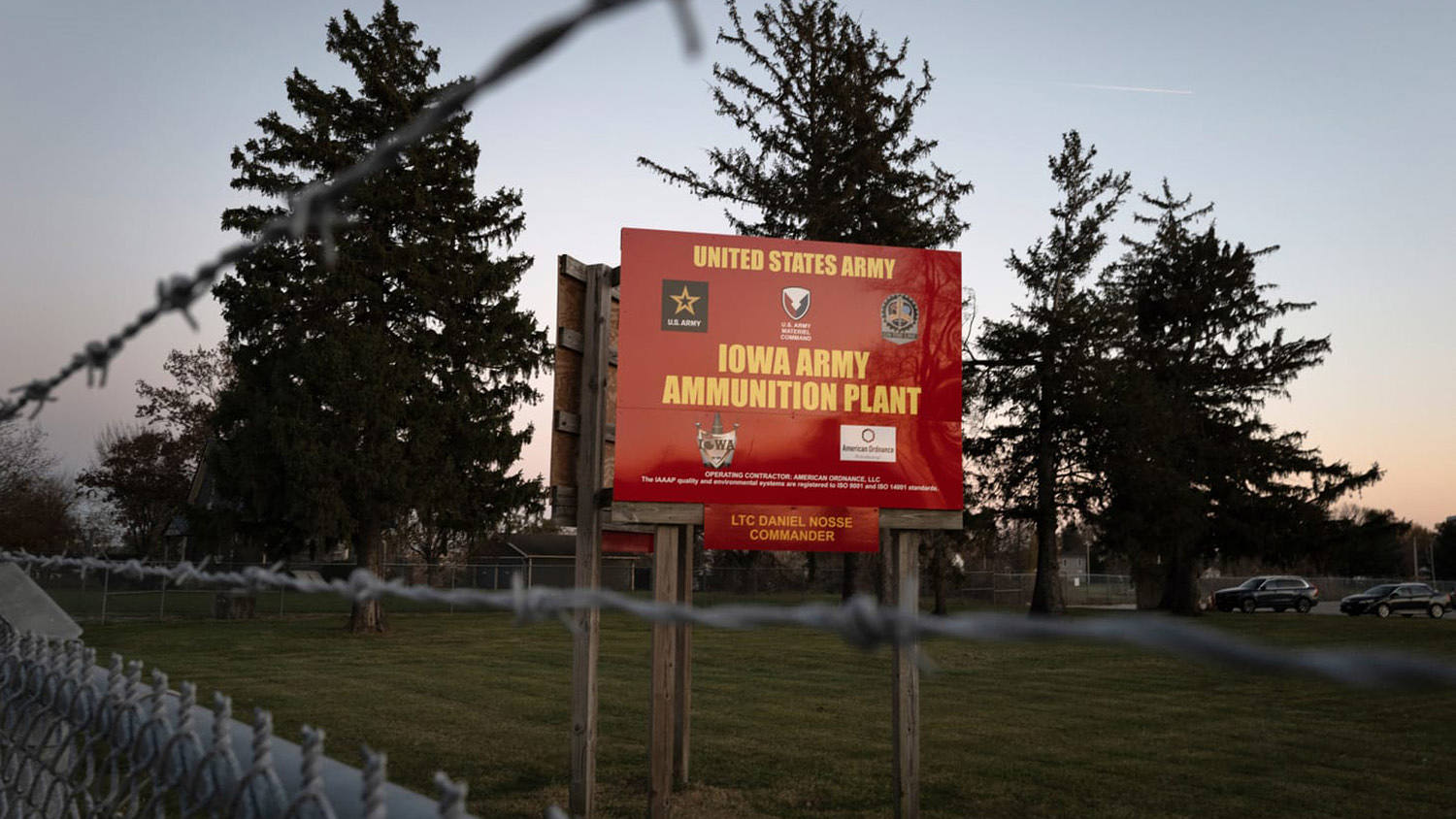
Five tons of degraded lead azide sit inside sixty-eight barrels at the Iowa Army Ammunition Plant in Middletown, Iowa, and the U.S. Army says controlled blasts are set for Wednesday morning, November 25, 2026. Officials insist the operation can't wait much longer. Cold weather and temperature swings can make unstable explosives far more touchy, raising fears of an uncontrolled blast that could put workers and nearby residents in serious danger.
If you live anywhere near southeast Iowa or western Illinois, you've probably seen the whiplash. Dates shifted. Lawsuits flew. Governors and federal lawmakers weighed in, and even presidential statements added twists before an appeals court lifted a temporary pause and cleared the way for the schedule to move ahead.
Here's the blunt truth about what's happening, why officials say a controlled detonation is the least-bad option on the table, and what you actually need to do if lead dust drifts your way.
Why the Army Says Detonating Lead Explosives Can't Wait
Lead azide isn't a casual material. It's a primary explosive used to initiate munitions, and lead makes up roughly seventy-one percent of its mass. For more than twenty years, sixty-eight drums containing roughly 9,500 to 10,000 pounds—about five tons—of the material sat in earthen-covered storage at the Iowa Army Ammunition Plant, kept wet in an ethanol-and-water mixture to keep things stable.
During a safety review earlier this year, officials found that liquid had evaporated and the lead azide had recrystallized. Once crystals form and dry out, shock, friction, or sharp temperature drops—especially below thirty degrees Fahrenheit—can make the material dangerously sensitive to going off on its own. Once a chemical degrades that far, it stops acting like a normal production supply and becomes a volatile hazardous waste problem.
Critics and environmental groups aren't buying the "no choice left" framing without a fight. Groups like Earthjustice, the Iowa Environmental Council, and the Sierra Club have pressed hard in court and in public statements, arguing that the stockpile sat for years without being disposed of sooner and questioning whether every safer alternative was thoroughly examined. That tension—between a present hazard that officials say must be neutralized fast and frustration over how the stockpile degraded in the first place—is sitting right at the center of the fight.
Why Moving or Neutralizing the Drums Was Ruled Out
People hear "controlled explosion" and immediately ask why crews don't just pack the drums up, haul them somewhere else, or neutralize them chemically in a lab. Fair question. In theory, moving hazardous waste to a specialized facility sounds cleaner than setting it off near a town of fewer than four hundred people.
In practice, handling shock-sensitive crystals carries huge risks. Army assessments and defense officials say opening containers, shifting unstable material, or jolting drums during transport or burial could trigger an accidental detonation right in front of technicians. Acting Secretary of the Army Adam Telle and Army Sustainment Command officials have argued that controlled detonation poses the lowest overall risk to nearby people compared with letting degraded explosives sit through worsening cold or risking a mishap during movement.
Even so, critics pushed back hard on whether enough alternatives were weighed early enough, and state and local leaders across Iowa and Illinois raised alarms over communication gaps when notices went out late. Middletown Mayor Rodney Johnson urged the detonation to move forward to protect workers and residents from an uncontrolled blast, while other officials and residents argued they didn't get clear, early enough information.
How Courts, Politicians, and Weather Turned the Schedule Upside Down
If this rollout felt chaotic, you aren't imagining things. What started as a planned Friday, November 20 operation turned into a multi-day legal and political tug-of-war.
- Permits and pushback: After the U.S. Environmental Protection Agency issued an emergency permit on November 13, the Army announced plans for two controlled blasts on November 20. Pushback from local residents, lawmakers, and Iowa Gov. Kim Reynolds led to a delay.
- Court stays and emergency arguments: Environmental petitioners sought an emergency halt in federal appeals court, winning a temporary administrative stay while Justice Department lawyers argued emergency authorities could still apply and noted cold-weather risks.
- Political crossfire: Statements from President Donald Trump referencing court review and state leadership collided with shifting schedules and court rulings. On November 23, the Eighth Circuit U.S. Court of Appeals lifted its temporary administrative stay and denied an emergency stay motion, clearing the legal hurdle for the Wednesday morning, November 25 schedule—even though underlying litigation isn't over.
Notice what matters here for anyone watching the news: a court lifting a stay to let an operation proceed isn't the same thing as a final, years-long lawsuit ending. And weather remains a wild card. Officials have pointed to wind, forecasts, and mitigation setup as key factors behind timing and plume modeling.
What Lead Dust Actually Means for Health and Farms
Let's get real about the biggest worry people have: lead. Detonating lead azide doesn't make lead disappear. Heat and blast force can fragment, melt, or disperse lead-containing particles into an air plume that can drift and settle on soil, grass, roofs, cars, and outdoor play areas.
Lead is a heavy metal with serious health risks, and public health agencies—including the Illinois EPA and health authorities—emphasize that no safe level of lead exposure has been identified. Young children under six and pregnant women face heightened risk because lead affects developing brains and nervous systems, and smaller bodies reach meaningful exposure levels more easily. Long-term lead exposure has also been linked in major research, including a widely cited 2018 study co-authored by Bruce Lanphear, to substantial cardiovascular mortality nationwide.
Around Middletown and surrounding rural counties, agriculture adds another layer. Farmers and environmental groups have worried about dust landing on crops, pastures, livestock, and farm equipment. Officials say soil, air, and water testing is part of the response and that updated deposition maps are being issued ahead of the blast based on weather forecasts. Still, experts and residents alike know that wind shifts and ground deposition are tough to predict to the inch until conditions play out.
Common Mistakes People Make During Lead Plume Alerts
When an emergency alert or environmental advisory goes out, people tend to make one of two mistakes. Either they panic and do things that stir up dust—like dry-sweeping porches or leaf-blowing—or they shrug it off because they can't see or smell anything.
Lead dust doesn't announce itself with a smell or immediate symptoms. At the same time, blasting a garden hose recklessly or dry-brushing settled residue can kick fine particles right back into the air or wash runoff where you don't want it. Following official post-event cleaning guidance—like wet-wiping smooth outdoor surfaces, windowsills, cars, and play gear once officials clear the airborne window—beats guessing every single time.
Practical Steps to Take Right Now
If you're in an advisory zone or within reach of wind and blast impacts around Middletown, don't wait until the last minute to get organized.
- Check official maps and alerts frequently: Watch updates from the U.S. Army Sustainment Command, local emergency management, and state environmental and health agencies—especially the deposition maps updated leading up to the scheduled Wednesday morning, November 25 blast.
- Plan to stay indoors and seal up: Keep windows and exterior doors closed during the detonation and for the recommended window afterward, and switch HVAC systems to recirculation mode to cut outside air intake.
- Protect kids, pets, and livestock: Keep young children away from outdoor surfaces until advisories lift, bring pets inside, and follow agricultural and veterinary guidance if you have livestock or crops in potentially affected paths.
- Clean surfaces carefully after guidance clears: Once officials say the airborne phase has passed, wash down affected exterior surfaces—such as windowsills, vehicles, and playground equipment—using damp methods rather than dry sweeping.
- Talk to a doctor if you're concerned: Because lead exposure doesn't cause obvious immediate signs, ask a healthcare provider or local health department whether a blood lead test makes sense for you or your child, especially if you're pregnant or have young kids.
For direct official updates, check the U.S. Army Public Safety Advisory, the Illinois EPA Iowa Plant Updates page, or regional coverage from Iowa Public Radio. Keep your alerts on, stay inside when told, and verify every schedule change before heading out.