Athletes used to stick to sports. Fans wanted clean entertainment without politics. That era is gone.
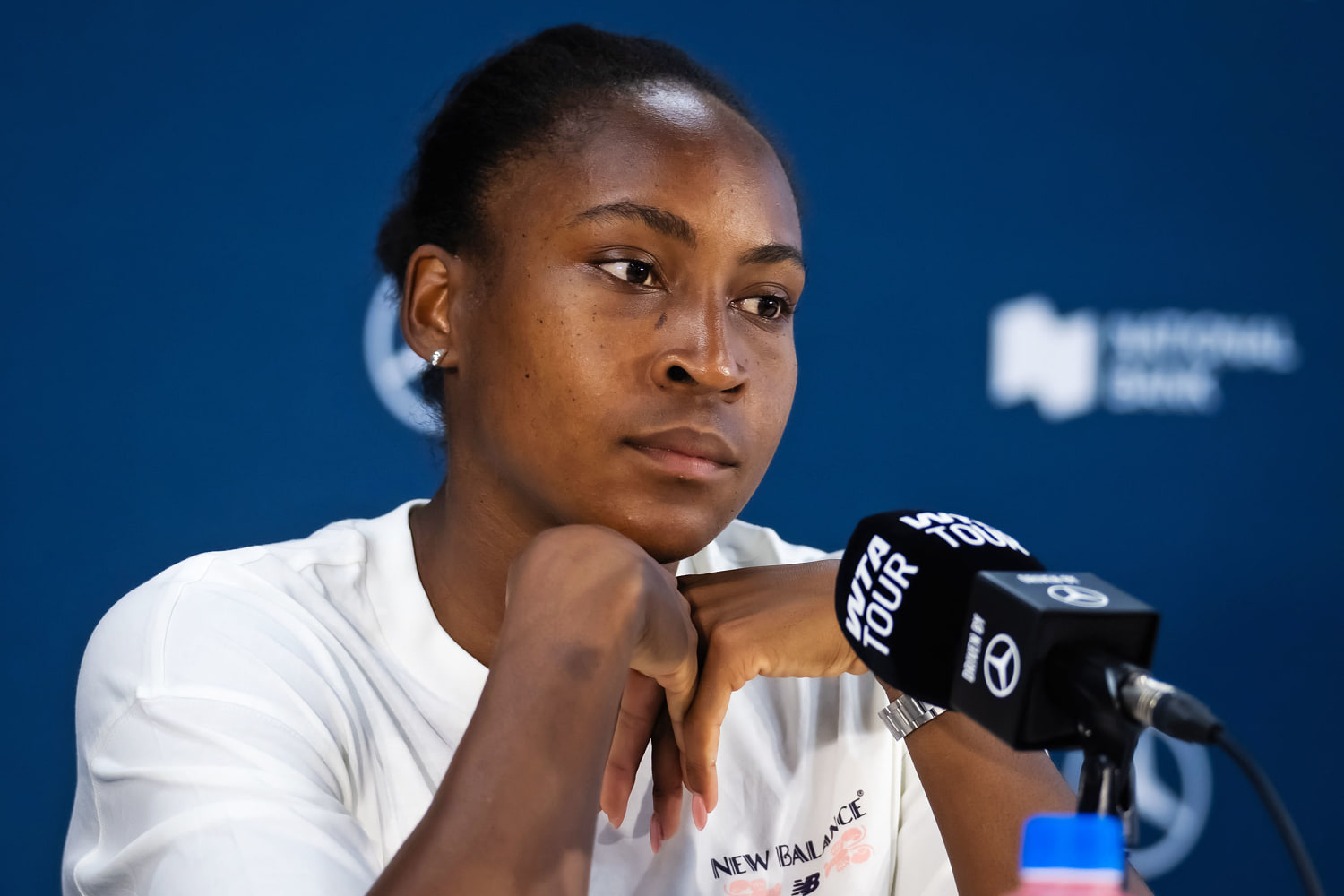
Modern competitors step onto the court carrying heavy social awareness, and tennis star Coco Gauff leads this shift. She speaks out because sports and society don't live in separate bubbles. When political policies target marginalized groups, young athletes notice. They use their massive platforms to push back, changing how we view sports figures forever.
The Weight of the Platform
You cannot separate a person from their community. When state legislatures target LGBTQ+ rights or restrict classroom speech, public figures face a choice. They can stay quiet to protect their brand endorsements, or they can speak up.
Coco Gauff chose the hard path. Backing down wasn't her style. Whether addressing local bills in Florida or broader cultural friction, she treats her microphone like a racket. She hits direct winners.
Fans often demand athletes keep quiet because sports offer an escape from reality. But escaping reality is a luxury many people don't have. For athletes with friends or family in the LGBTQ+ community, political attacks aren't abstract debates. They feel personal.
Navigating Fairness and Inclusion
The intersection of sports fairness and transgender inclusion sparks intense global arguments. Governing bodies scramble for rules that protect competitive integrity without shutting out human beings.
Nuance gets lost in the noise. Headlines love screaming matches. You either hate fairness or you hate trans people, according to internet algorithms. Real life refuses to fit that lazy binary.
Coco Gauff understands this tension. True advocacy means holding two truths at once. You want competitive fairness across athletic divisions, and you demand basic human dignity for everyone. Attacking vulnerable communities under the guise of protecting sports does neither.
Athletes possess unique authority here. They live inside athletic structures every single day. They know how competition works. When they reject weaponized bigotry disguised as sports advocacy, people listen.
Why Silence Is No Longer An Option
Old-school sports executives hate when athletes talk politics. They fear lost revenue and angry sponsors. Yet, younger audiences expect authenticity. If you pretend to care only about tennis balls while the world burns around you, Gen Z fans see right through it.
Real leadership means risking comfort for convictions.
Look at how sports history changes. Athletes who took stands decades ago—like Muhammad Ali or Billie Jean King—faced fierce backlash in their time. History eventually vindicated them. Today's stars operate under the same microscope.
When Coco Gauff or other prominent athletes talk about social justice, they aren't reading corporate PR statements. They speak from lived experience. They grew up in diverse locker rooms and multiracial schools. Exclusion looks ugly to them, no matter what uniform it wears.
Stop expecting athletes to smile and wave for the cameras while ignoring real-world harm. The culture has shifted. Fairness in competition matters, but protecting human rights matters more. Athletes who get that balance right will define the future of sports.