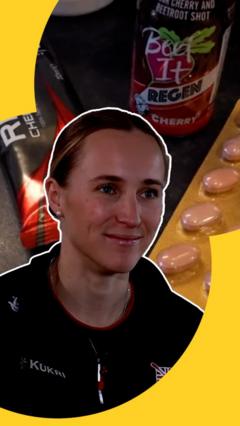
You’ve seen the social media posts. A pro athlete dumps a dozen different pills onto their counter, snaps a photo, and claims it’s the secret to their podium finish. It looks impressive. It looks scientific. Honestly? It’s usually just expensive marketing disguised as a training regimen.
If you’re looking for a shortcut to peak performance, you’re looking in the wrong place. Most of the sports supplement industry is built on hype, not hard data. I’ve spent years working with athletes who thought a magic powder would fix their poor recovery or lack of consistency. Spoiler: it never does.
Before you go spending your paycheck on the latest "performance stack," let’s get real about what actually works and what belongs in the bin.
The Short List of Supplements That Actually Work
If you search for sports supplements, you’ll find thousands of products. Most of them have zero evidence to back their claims. However, a tiny group of compounds has passed the test of time and rigorous science. If you’re a serious athlete, these are the only ones worth your attention.
Creatine Monohydrate
This is the gold standard. It’s arguably the most researched performance aid in history. Creatine helps you recycle energy during explosive, short-duration movements. Whether you’re a sprinter, a rower, or a lifter, it helps you squeeze out those extra reps or maintain power output. Don’t overcomplicate it. Take 3–5 grams a day. That’s it.
Caffeine
We all know it wakes us up, but it’s also a proven performance booster. Caffeine blocks the receptors in your brain that make you feel tired. It lowers your perception of effort. Basically, your workout feels slightly easier, meaning you can push harder for longer. Don't go overboard, though. More isn't better. You’ll just end up with the jitters and a ruined night of sleep.
Beta-Alanine
Ever felt that burning sensation in your muscles during a high-intensity session? That’s acid build-up. Beta-alanine helps buffer that acidity. It won’t make you faster overnight, but it allows you to sustain high-intensity efforts for a few seconds longer than you otherwise could. For sports like rowing, where every second matters, that’s a massive edge.
Nitrates
Think beetroot juice. Nitrates improve your body’s efficiency, essentially helping you use less oxygen for the same amount of work. It’s one of the few natural-ish supplements that actually shows consistent results in endurance events.
Why Your Diet Trumps Your Supplement Cabinet
Here is the inconvenient truth nobody wants to hear: supplements are meant to "supplement" a diet, not replace one. If you’re eating like garbage, no amount of protein powder or electrolytes will save you.
I’ve watched athletes obsess over the timing of their intra-workout gels while eating processed, low-nutrient junk for every real meal. That’s a losing strategy. Your foundational health—sleep, macronutrient balance, and hydration—does 95% of the heavy lifting. If you aren't hitting your protein targets through whole foods, or if you aren't getting enough micronutrients from vegetables and fruits, you’re throwing money away.
The Risks You’re Ignoring
There’s a dark side to the industry that many athletes ignore. Sports supplements aren't regulated like medications. In many cases, what’s on the label isn’t what’s in the bottle.
This is a massive risk if you’re a competitive athlete. A contaminated batch could lead to a positive doping test, ending your career before it starts. Even if you aren't getting tested, many "proprietary blends" contain hidden stimulants that can cause heart palpitations, anxiety, and blood pressure spikes.
Always look for third-party testing certifications. If a brand won't show you their independent lab results, don't buy their product. It’s that simple.
Practical Next Steps for Your Routine
Stop chasing the "next big thing." If you want to optimize your performance, follow this order of operations:
- Audit your current diet. Track your intake for a week. Are you getting enough protein? Are you eating enough color? If not, spend your money at the grocery store, not the supplement shop.
- Master your sleep and recovery. No supplement replaces eight hours of quality sleep. If you’re waking up exhausted, fix your bedtime routine first.
- Pick your tools carefully. If you’ve optimized your food and sleep, then—and only then—look at the evidence-based list. Stick to the essentials like creatine or caffeine.
- Be skeptical of trends. If an influencer is pushing a new "miracle" supplement, assume it’s a scam until you see it on a reputable, peer-reviewed list of ergogenic aids.
Performance isn't found in a pill bottle. It’s built in the gym, in the kitchen, and in the hours you spend recovering. Cut the noise and focus on what’s proven.