Tear gas fills the dusty roads of Gazipur while thousands of workers demand more than what factory owners are willing to give. Bangladesh just approved a 36 percent minimum wage increase for its massive garment manufacturing workforce, raising entry-level pay to 17,000 taka (roughly $139 USD) per month.
It sounds like a win. It isn't.
For the four million people keeping the world clothed, this raise falls miles short of survival. Unions wanted 30,000 taka. Inflation has eaten up every scrap of purchasing power, and workers are realizing that a percentage increase on poverty wages still leaves them in poverty.
The Anatomy of a Broken Wage System
Let's look at the numbers. The previous minimum wage was set at 12,500 taka back in November 2023. Back then, protests erupted across major industrial belts for the exact same reasons. Prices for rice, rent, and basic medicine have skyrocketed since then. When workers hit the streets demanding a baseline of 30,000 taka, they were doing basic math.
The wage board voted 4-2 to approve the 17,000 taka floor for entry-level Grade 4 workers, scaling up to 21,500 taka for Grade 1 positions. Factory owners pushed back hard, warning that higher labor costs would kill competitiveness and drive international buyers toward Vietnam or India.
The result is a compromise that satisfies almost nobody.
The Pressure From Global Brands
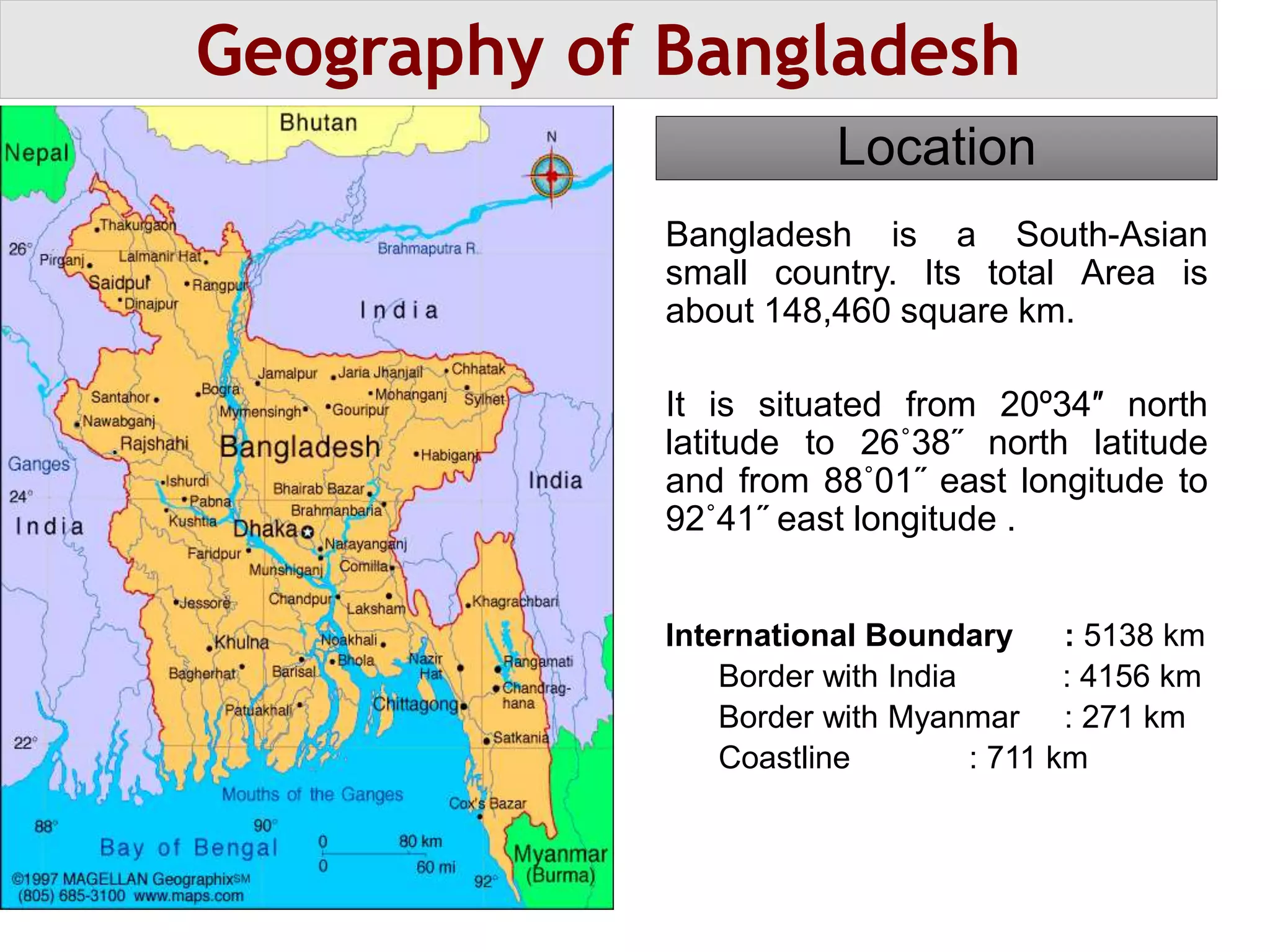
Bangladesh stands as the second-largest garment exporter on earth, right behind China. Western giants like H&M, Zara, Gap, and Levi Strauss rely entirely on this infrastructure. Cheap clothes on European and American retail racks depend on low-cost labor in Dhaka and Chittagong.
When production halts, brands panic. Recent weeks of unrest cost the industry hundreds of millions of dollars. Factories shut down under the threat of "no work, no pay" provisions, and police deployed stun grenades and tear gas to clear barricades. International buyers shifted hundreds of millions in orders elsewhere while the chaos played out.
Owners argue they can't afford more without losing contracts. Workers argue they can't work without eating. Both sides are trapped in a low-margin race to the bottom that defines fast fashion supply chains.
What Happens Next
The new wage structure takes effect on December 1, and paychecks reflecting the raise will hit accounts in January. But unions have already signaled that discontent runs deep. Babul Akhter, the workers' representative on the board, called the outcome "not entirely bad" purely because revisions are happening after three years instead of the old five-year wait.
That diplomacy won't stop a worker paying rent in Dhaka from feeling cheated. Expect sporadic walkouts and continued friction. Until global brands agree to pay higher wholesale prices so factories can sustain living wages, minor bumps in the taka won't fix a broken model.