You can't criminalize a question. Yet, that is exactly what is happening in Dhaka right now.
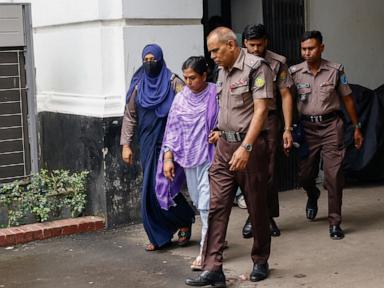
A special tribunal in Bangladesh recently ordered three prominent journalists—Mozammel Babu, Farzana Rupa, and Shyamal Dutta—to remain behind bars until their trial. The charges aren't about corruption or financial fraud. Prosecutors claim these media figures committed crimes against humanity during the July 2024 student-led uprising that ultimately ousted former Prime Minister Sheikh Hasina.
The state's core argument rests on a terrifying premise: that asking a political leader tough or provocative questions at a press conference constitutes incitement to mass murder. On July 14, 2024, these journalists posed inquiries that prosecutors argue prompted Hasina to make harsh remarks about demonstrators, which allegedly greenlit a bloody security crackdown.
The legal logic here bends reality. If interviewing a dictator or pushing a politician on live television makes a reporter legally responsible for state violence, journalism ceases to exist.
The Details of the Detention
The names carry weight in South Asian media circles. Mozammel Babu founded Ekattor Television. Farzana Rupa served as its principal correspondent. Shyamal Dutta edited the daily newspaper Bhorer Kagoj and led the National Press Club.
Following Hasina’s dramatic helicopter flight to India on August 5, 2024, and the subsequent rise of an interim government led by Muhammad Yunus—followed later by an elected administration—these media figures found themselves swept into a massive wave of retaliatory legal actions. They have already spent months or years in custody facing multiple charges, ranging from murder to conspiracy.
When they appeared before the International Crimes Tribunal, the judge locked in October 25 for the next procedural phase, leaving the defendants imprisoned indefinitely.
Why Press Freedom Groups Are Sounding the Alarm
Global watchdogs aren't defending the editorial slant of these outlets. During Hasina's 15-year tenure, major television channels and newspapers often towed the state line, sometimes acting as megaphones for a regime that suppressed dissent.
Groups like the Committee to Protect Journalists (CPJ) and the Commonwealth Journalists Association (CJA) have drawn a bright red line. Editorial choices can be biased, partisan, or ethically bankrupt. None of those failures make journalism a war crime.
Kunal Majumder, CPJ's Asia-Pacific program coordinator, pointed out the obvious danger: prosecuting reporters for their professional conduct destroys democratic norms. If incoming governments can drag reporters before war crimes tribunals for simply talking to deposed leaders, every future journalist in the country operates with a target on their back.
The Fallout From the 2024 Uprising
The backdrop of this tribunal is soaked in real blood. More than a thousand people died during the weeks of unrest in mid-2024. Families want accountability. Former Prime Minister Sheikh Hasina was tried in absentia and sentenced to death, while key security figures face severe prosecution.
The nation is trying to purge a legacy of institutional brutality. But weaponizing the judiciary against reporters creates a new brand of authoritarianism. When courts treat routine press briefings as criminal conspiracies, the pursuit of justice loses its moral compass.
The tribunal set its next steps for late October, demanding that investigators produce firmer findings. Unless international pressure forces a course correction, Bangladesh is writing a dangerous script where speaking to power is treated as the ultimate crime.