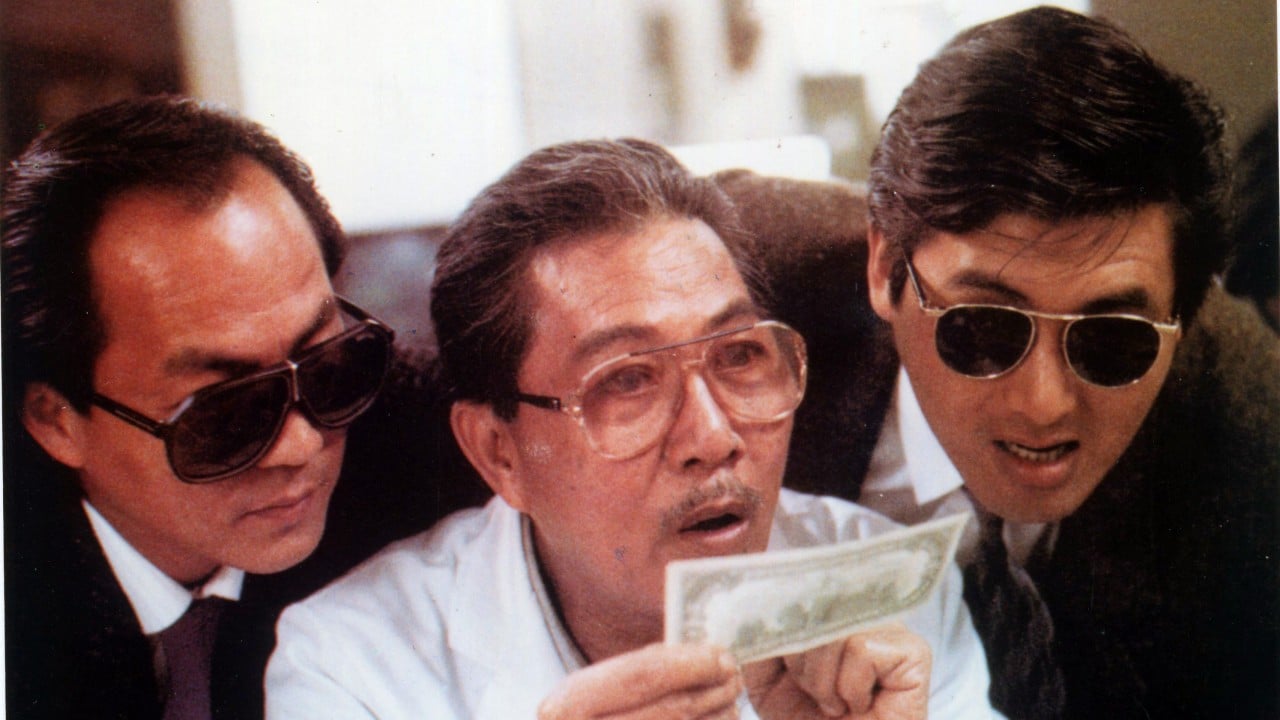
Forty years ago, a mid-budget gangster film about brotherhood, betrayal, and trench coats hit Hong Kong screens and completely altered the DNA of global action cinema.
John Woo directed A Better Tomorrow in 1986, but nobody involved expected it to shatter box-office records or invent a brand-new cinematic language. At the time, Woo was struggling creatively, churning out comedies that failed to capture his true artistic voice. Producer Tsui Hark handed him a lifeline by backing a remake of an old 1967 Lung Kong film. That single gamble birthed the "heroic bloodshed" genre and turned a supporting actor named Chow Yun-fat into an international icon almost overnight.
The Accidental Birth of an Icon
If you watch the movie today, you notice how the focus shifts immediately. Mark Lee, played by Chow Yun-fat, wasn't even supposed to be the main character. The script centered primarily on the strained relationship between a reformed counterfeiter, Sung Tse-ho (Ti Lung), and his ambitious police officer brother, Sung Tse-kit (Leslie Cheung).
Yet, Chow stole the entire production. Wearing a slick trench coat, sporting dark sunglasses, and chewing on a toothpick while dual-wielding Berettas, he projected a dangerous, effortless charisma. His character ignited a massive cultural craze across Asia. Young men rushed to clothing shops to buy cheap replicas of his coat. They copied his swagger on the streets of Tsim Sha Tsui. The film didn't just entertain audiences; it gave them a new definition of cool.
Melodrama Meets Bullet Ballet
Before 1986, Hong Kong action movies belonged mostly to martial arts period pieces or fast-paced contemporary kung fu comedies. Woo changed the battlefield by injecting operatic emotion into gunfights. He fused the moral codes of traditional wuxia chivalry with Western crime dramas and film noir.
The violence in A Better Tomorrow isn't clinical or quick. It's frantic, emotional, and choreographed like a bloody dance. When characters cry, they weep openly. When they seek redemption, they do so through self-sacrifice and absolute chaos. This heavy dose of melodrama kept viewers emotionally anchored while bullets flew across screen. You cared about these criminals because their bonds of brotherhood felt sacred, even when they broke the law.
The Cultural Aftershock
The ripples of Woo's masterpiece spread far beyond local box offices. Western filmmakers took notice during the international festival circuits of the late eighties and early nineties. Quentin Tarantino famously borrowed structural elements and thematic beats for his early crime features, while Hollywood action directors spent the next two decades trying to replicate the kinetic energy of Woo's slow-motion shootouts.
Hong Kong cinema entered a golden age because of this film. Studios rushed to fund gritty crime thrillers, paving the way for classics like The Killer and Hard Boiled. It proved that local stories with hyper-specific cultural themes about loyalty and identity could resonate globally.
Forty years later, modern blockbusters often rely on computer-generated spectacles that lack human weight. A Better Tomorrow reminds us why practical stunts, raw emotional stakes, and genuine style always outlast digital noise. Put the original cut on tonight, turn up the synth-heavy score, and watch how real cinematic history is made.
A Better Tomorrow Original Trailer
This trailer captures the original 1986 theatrical release of John Woo's classic film, showcasing the iconic action sequences and character dynamics that defined the heroic bloodshed genre.