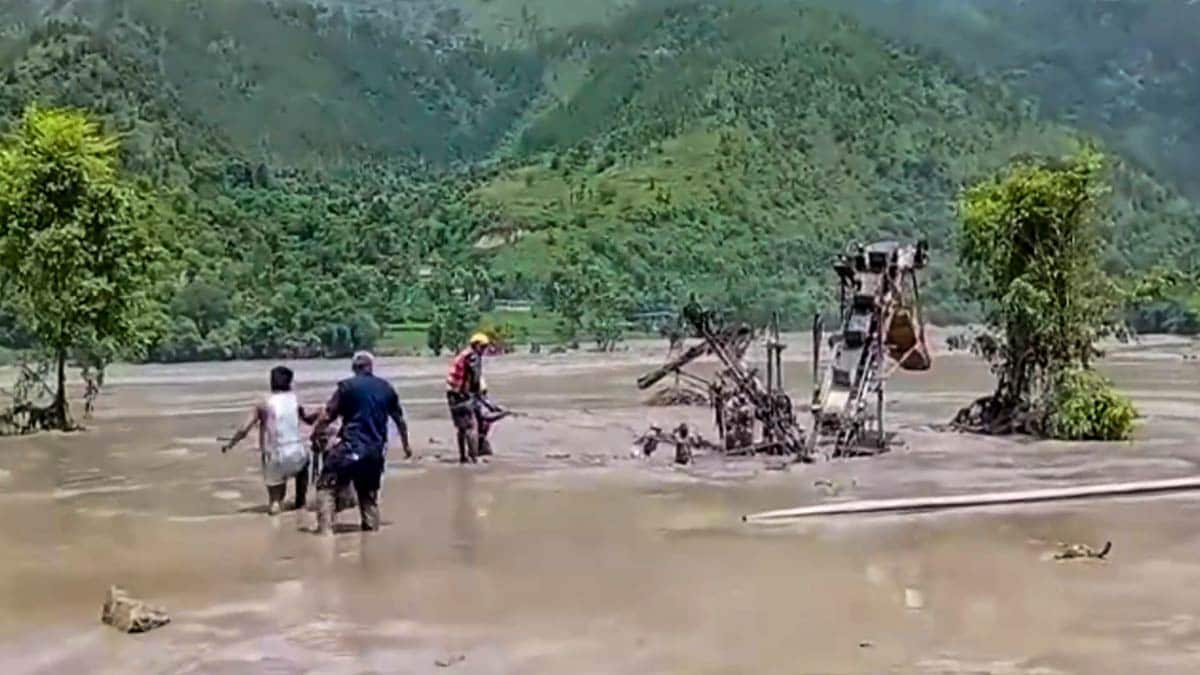
When millions of tons of rock and ice broke loose from Langtang Lirung in late August 2026, it didn't just smash through the Bhotekoshi and Trishuli river valleys. It shattered the comfortable illusion that modern disaster management is ready for what the mountains throw at it. Over 5,200 people remain missing, while thousands of recovered bodies sit in overwhelmed morgues awaiting DNA matching.
Most news reports called it a flood. It wasn't. It was a high-altitude rock-ice avalanche that traveled at speeds over 160 kilometers per hour, overwhelming downstream towns and hydropower projects before anyone could sound a proper alarm.
If you think this is just a localized tragedy for Nepal, you're missing the bigger picture. The Himalayas are an interconnected ecosystem, and the lessons coming out of the Bhotekoshi disaster demand urgent attention from anyone living, traveling, or planning infrastructure near shared transboundary river basins.
The Myth of Traditional Early Warning Systems
For decades, governments relied on downstream river gauges to warn communities of rising waters. That strategy is broken.
When a catastrophe involves a high-altitude slope failure rather than a standard glacial lake outburst, downstream water level sensors are basically useless. By the time the water hits the gauge, the wall of debris has already wiped out the valley. In the case of the Bhotekoshi disaster, monitoring equipment placed miles down the mountain left residents with minutes of warning—if they got any warning at all.
We need to shift our focus upward. Satellite surveillance, seismic arrays, and real-time anomaly detection must be deployed on upper mountain peaks rather than just tracking water levels in the plains. If you're building or investing in Himalayan infrastructure without accounting for multi-hazard cascades, you're gambling with lives.
The Agony of Ambiguous Loss and Forensic Failure
Rescue operations get all the headlines. Helicopters pulling workers out of flooded hydropower tunnels make great television. But once the cameras leave, the real nightmare begins.
Families left behind face what psychologists call ambiguous loss—a cruel limbo between hope and grief. In Nepal, over 1,400 bodies were recovered, but identifying them has turned into a massive logistical bottleneck. Despite DNA samples collected from nearly 1,900 relatives, only a fraction of the victims have been formally identified.
Why? Because forensic capacity cannot be improvised after a mass-fatality event.
Countries across the region lacked the cold-storage facilities, specialized laboratories, and pre-positioned Disaster Victim Identification teams required to handle a tragedy of this scale. Relying on international organizations like the International Committee of the Red Cross after disaster strikes is a reactive band-aid. Governments need permanent forensic hubs and cross-border data-sharing protocols ready before the next slope fails.
What Cross-Border Cooperation Actually Looks Like
Disasters don't check passports at the border. Rivers originating in Nepal feed directly into downstream districts across South Asia, putting neighboring regions on high alert within hours. Yet, bilateral coordination remains painfully ad hoc.
During the Bhotekoshi crisis, consular bottlenecks, delayed information sharing, and fragmented emergency responses slowed down rescue and tracking operations for foreign nationals, including Indian pilgrims and workers.
To fix this, regional governments need to establish concrete protocols:
- A standing Himalayan Early Warning Network with shared telemetry and joint situation rooms.
- Pre-negotiated emergency access corridors across borders to cut through bureaucratic red tape.
- Voluntary digital travel registries for high-risk pilgrimage routes so authorities actually know who is in the danger zone.
You don't need invasive surveillance to track who is traveling through a valley. You just need a lightweight, privacy-respecting check-in system that saves lives when communications fail.
Building Real Resilience
The mountains are warming, permafrost is thawing, and increased human development is pressing deeper into fragile terrain. Abandoning mountain infrastructure isn't realistic. Pretending we can keep building the same way without factoring in geo-mechanical risks is suicidal.
True resilience means upgrading engineering standards, investing in high-altitude sensor networks, and treating post-disaster forensics as an essential pillar of national security rather than an administrative afterthought.
The next mountain slope will fail. The only question left is whether our institutions will finally be ready.


