Energy markets are breaking records again while consumers foot the bill. BP just announced that its second-quarter profits more than doubled to $5.73 billion. This massive financial jump beats analyst expectations and highlights how geopolitical conflict directly fills corporate coffers.
The primary driver behind these windfall earnings is the ongoing conflict with Iran and the resulting disruption in the Strait of Hormuz. When a vital maritime choke point handles a massive share of global energy exports and suddenly faces shutdowns, crude prices skyrocket. Brent crude averaged roughly $97 a barrel during this past quarter, pulling oil majors into a massive wave of high-margin revenue.
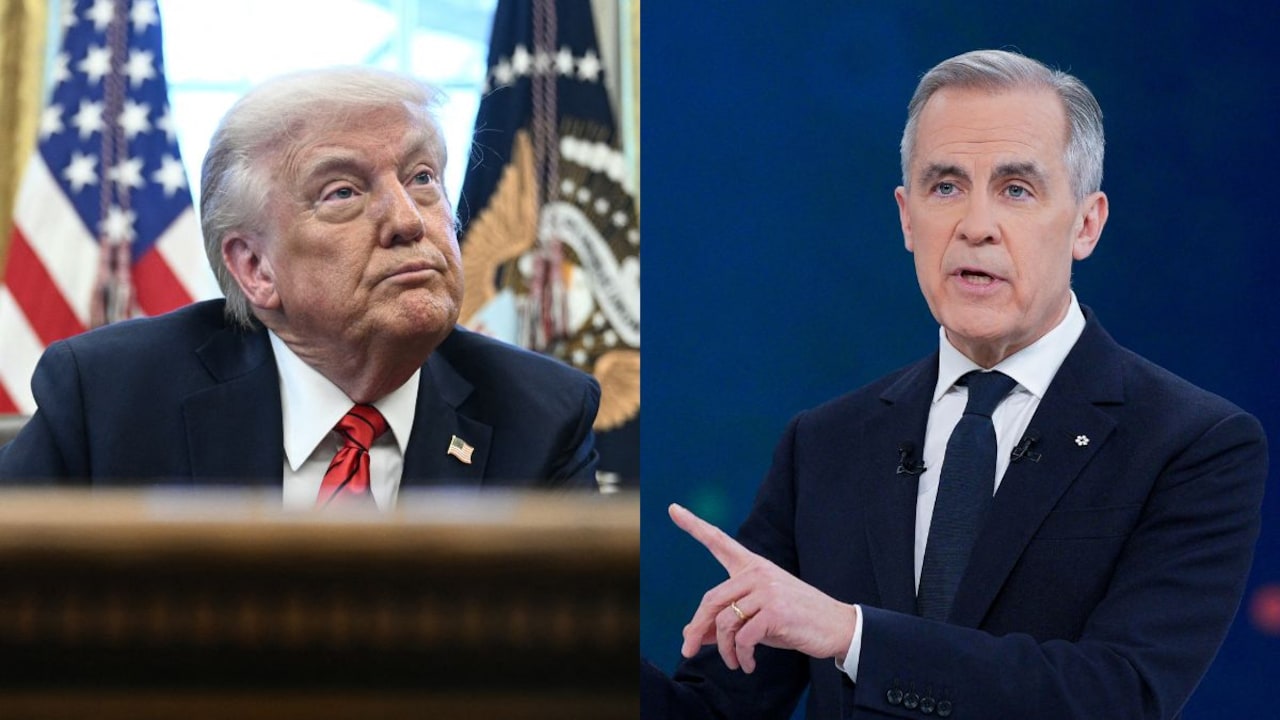
Yet, this financial success brings heavy political friction. President Donald Trump recently lashed out at American oil giants like ExxonMobil and Chevron, stating they are making too much money off a shortage. Trump demanded that these energy corporations lower retail pump prices and give cash back to the public. The pressure highlights a familiar tension. When everyday drivers face soaring gasoline costs at local service stations, politicians scramble to deflect public anger away from the pump and onto the boardrooms.
Inside the Numbers
BP's underlying replacement cost profit reached $5.73 billion for the April-to-June window, sailing past the consensus estimate of roughly $5.11 billion. Compare this to the $2.35 billion reported during the same period a year earlier, and the financial trajectory becomes obvious.
New chief executive Meg O'Neill stepped into leadership with a clear mandate to reshape the 117-year-old company. Under her watch, BP is moving away from aggressive green energy expansions that weighed down past balance sheets. The company is actively shedding low-carbon ventures, offloading its US biogas unit Archaea, and preparing to exit the UK North Sea after six decades of production.
O'Neill admitted openly that the company is not making the most of its potential. Past missteps, write-offs, and rising structural liabilities have kept investor confidence subdued. By focusing heavily on upstream reliability and extracting maximum value from traditional fossil fuel assets, BP wants to prove it can deliver stable cash returns even while geopolitical turmoil dictates market prices.
The Global Ripple Effect
BP is not alone in reaping this war-driven financial harvest. Shell posted its second-highest quarterly earnings on record. ExxonMobil and Chevron reported massive earnings surges, with Chevron jumping nearly 400% compared to the previous year. Saudi Aramco also reported a 44% increase in net profit, pulling in $32.69 billion as refined product sales revenue surged.
For retail consumers, the reality feels entirely different. US gasoline prices climbed significantly compared to pre-war baselines, while European households continue battling inflated energy bills. Environmental groups and consumer advocates argue that these profits expose a broken system where vulnerability at the pump funds record payouts for shareholders.
What Comes Next for Energy Investors
If you are trying to navigate the current market environment, you have to look past the political noise. Energy equities react directly to supply security and physical commodity flows, not political speeches. As long as Middle East trade routes remain volatile, cash flows for legacy producers will stay elevated.
To adapt your strategy right now, focus on these practical steps:
- Monitor Strait of Hormuz developments closely, as any permanent diplomatic resolution will trigger immediate downward corrections in crude prices.
- Evaluate energy holdings based on asset quality and production cost thresholds rather than short-term headline profits.
- Watch capital expenditure guidance carefully; companies shifting back to core fossil fuel production are prioritizing immediate shareholder dividends over long-term speculative transitions.
The current oil boom proves that traditional hydrocarbons still dictate global economic momentum. Companies that lean into operational efficiency will survive the political crossfire, while investors who ignore geopolitical risk will get caught at the wrong end of the next price swing.
Market Relief After US-Iran Ceasefire Before Trump Deadline
This video provides an up-close look at how market dynamics, oil prices, and geopolitical ceasefires interact to shape energy trading trends.
http://googleusercontent.com/youtube_content/1