Brazil finds itself at a strange crossroads. President Luiz Inácio Lula da Silva is walking a tightrope, trying to balance his international image as a climate-conscious leader with his domestic need for economic growth. The latest discovery of hydrocarbons by Petrobras near the mouth of the Amazon River isn't just another industrial milestone. It's a political signal.
When officials call this find a "passport to the future," they're being incredibly literal. They are betting that the revenue from these reserves—estimated by some to reach up to 10 billion barrels—will fund the very transition to renewable energy they claim to champion. But for many observers, this math doesn't quite add up.
The Equatorial Margin Opportunity
The region in question, known as the Equatorial Margin, is basically the new frontier for Petrobras. For years, the industry has looked at this stretch of coast with intense interest. Now, the exploratory drilling initiated last October is yielding concrete results. Petrobras confirmed it detected hydrocarbons about 112 miles off the coast of Amapá state.
If you’ve spent any time tracking offshore exploration, you know that finding a deposit is just the first step. Translating that into a commercial operation is an entirely different beast. Expert assessments, such as those from ClimaInfo, suggest that turning these reserves into an actual, functional production site could realistically take up to a decade. This isn't a quick fix for Brazil’s current economic woes. It’s a generational project.
The Conflict Between Energy and Environment
You’re going to hear a lot of noise about this project. The friction between environmental groups and the state-run corporation is real. Indigenous communities and climate activists have already taken legal action. Their argument? The licensing process was fast-tracked and failed to account for the unique fragility of the Amazonian ecosystem.
Petrobras maintains that their record is clean and that no spills have occurred in their drilling history. From a business perspective, the company sees this as essential infrastructure. They argue that Brazil shouldn’t remain a mere exporter of local commodities like berries or fish. They want the industrial muscle that comes with large-scale oil production.
Why the Timing Matters
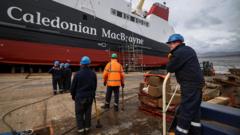
Lula isn't just acting as a head of state here; he's acting as a candidate. With a tight election looming in October, he is clearly trying to secure the support of the northern regions. He stood on a vessel, hands stained with crude, recreating a famous 2008 photo op from his earlier, wildly popular tenure.
It's a calculated attempt to reclaim that same political magic. However, the Brazil of 2026 is a different place. The president is no longer the undisputed favorite of his earlier years. He’s a polarizing figure, and this move toward fossil fuel expansion will likely alienate his progressive base even as it attempts to win over the pragmatists in Amapá who want the jobs and investment.
The Reality of Commercial Viability
Look past the rhetoric. The real story here is the sheer complexity of deep-sea drilling in the Equatorial Margin. We aren't talking about easily accessible fields. The logistics alone—working in deep, remote waters—mean that costs will be astronomical.
For investors, the critical question isn't just about how much oil is there. It’s about the regulatory stability. Will the government be able to shield these projects from years of litigation? If the legal battles drag on, the "passport to the future" might end up being a massive capital sink rather than a revenue generator.
Next Steps for Stakeholders
If you are tracking the energy sector or the broader Brazilian economy, keep your eyes on these three indicators:
- Environmental Licensing Speed: Watch how the government handles the ongoing lawsuits. Any pause or major restructuring of the licensing requirements will be a tell-tale sign of how much political capital they are willing to spend.
- Technological Infrastructure Investment: Monitor public tenders regarding the development of the Amapá coast. Rhetoric is cheap; supply chain contracts and port upgrades are where the real investment happens.
- Petrobras Financial Disclosure: Look for updated assessments from the company in the next quarterly reports. They will need to reconcile the "blessed" oil found with the actual, cold, hard cost of extraction and the long-term price projections for global crude.
Brazil is chasing a dream of dual status: climate leader and oil giant. Whether they can actually pull off that balancing act without losing their reputation or their reserves to bureaucratic gridlock remains to be seen.