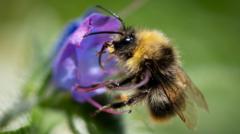
If you walked through a British garden on a scorching afternoon recently, you might have noticed something eerily quiet. The loud, buzzing drone of bumblebees that usually defines a UK summer often vanishes the moment temperatures climb past 28°C. Instead of buzzing between blooms, exhausted bees end up stranded on scorched pavements or hidden away under dried leaves.
It’s easy to assume insects love the sun. They don't—at least not bumblebees. These iconic, fuzzy creatures are struggling under Britain’s intensifying heatwaves. Understanding why they are failing in the heat reveals why our gardens urgently need a tactical rethink.
Built for the Cold, trapped in the Heat
Bumblebees are not tropical creatures. They originated around 35 million years ago in the high, cold altitudes of the Himalayas. Their thick coat of fur, stocky bodies, and ability to generate internal body heat by shivering their flight muscles were biological masterstrokes for cool, damp environments.
That history explains why the UK is home to nearly 10% of the world's bumblebee species. Britain's historically mild, rainy summers were paradise for them.
Extreme heat flips that evolutionary advantage into a trap.
Unlike honeybees, which can cool down relatively easily, bumblebees trap heat too well. When air temperatures cross 28°C, foraging activity drops off a cliff. By the time it hits 32°C, most bumblebees stop leaving the nest entirely.
Flying in extreme heat causes their tiny internal engines to overheat rapidly. Researchers at the University of Würzburg found that exposing bumblebees to 40°C heat damages their sense of smell by up to 80% in female workers. Their antennae fail to detect flower scents, making it nearly impossible for them to locate food even after temperatures drop.
On top of that, heat waves fry flower nectar. When temperatures spike, blossoms wilt and dry up, cutting off the colony's primary energy drink when they need it most.
What Happens Inside the Hive During a Heatwave
When it gets too hot outside, the entire economy of a bumblebee nest breaks down.
Instead of flying out to gather pollen and nectar, worker bees are forced to stay inside to handle emergency climate control. They line up around the brood and beat their wings at high speeds—a behavior known as wing fanning—to circulate air and keep the larvae from literally cooking.
This takes massive amounts of energy. Every hour spent fanning inside the nest is an hour not spent collecting food.
If heatwaves last several days, colonies burn through their stored honey reserves rapidly. Drones experience drops in sperm viability, and queens produce fewer eggs. What looks like a few hot days to us can cripple a bee colony for the rest of the season.
The Sugar Water Myth and What Bees Actually Need
When people see a sluggish bumblebee on the ground during a hot spell, their first instinct is often to offer a big puddle of sugar water.
Stop doing that.
While a tiny drop of equal parts white sugar and water on a spoon can help a genuinely starving bee as a absolute last resort, sugar water is basically bee fast food. It gives a quick sugar rush but offers zero vitamins, proteins, or micro-nutrients found in real floral nectar. Leaving bowls of sugar water outside can also spread deadly pathogens between different insect populations.
Most of the time, a bee resting on a hot afternoon isn't starving—it's severely dehydrated or heat-stressed. What it needs is shade and clean water.
If you spot a struggling bee on a sun-baked patio, gently pick it up with a leaf and move it to a cool, shaded patch of grass near flowers.
Simple Garden Tweaks That Keep Bees Alive
You don't need a massive rural estate to turn your space into a heatwave refuge for pollinators. A few targeted changes to a suburban lawn or balcony make a huge difference.
Build a Bee Bar
Natural puddles dry up fast during hot spells, leaving bees with nowhere to drink. You can fix this in five minutes:
- Take a shallow dish or ceramic tray.
- Fill it with flat stones, pebbles, or marbles so they break the surface.
- Add clean water, keeping the tops of the stones dry so bees have a landing pad.
- Place the dish in a shaded spot under a shrub or patio table.
Bees can easily drown in deep water, so those landing stones are essential. They allow the bees to land safely and sip water to cool down.
Plant Heat-Resistant Nectar Powerhouses
Many classic British garden flowers collapse at the first sign of drought. Swap or supplement them with drought-tolerant perennials that keep producing nectar even when it hits 30°C:
- Lavender: A classic for a reason; thrives in dry heat and provides dense nectar.
- Marjoram and Oregano: Excellent late-summer bloomers that draw every pollinator in the neighborhood.
- Verbena Bonariensis: Tall, drought-resistant stems loaded with tiny purple flowers.
- Echinacea (Coneflower): Sturdy blooms that withstand harsh sun without wilting.
- Scabious: Offers continuous blooms right through dry spells.
Ditch the Neat Lawn
Short, manicured grass bakes into a brown crisp during heatwaves, offering zero shelter or moisture. Let a patch of your lawn grow long. Tall grass traps humidity near the soil, creating a cooler microclimate where bees can take refuge during the hottest hours of the day.
Dandelions, clover, and self-heal growing in long grass act as emergency feeding stations when manicured borders dry out.
Put Away the Chemicals
Never apply weedkillers or bug sprays during dry, hot weather. Heat stress already compromises a bee's immune system and navigation. Adding synthetic chemicals to the mix—even those marketed as safe—creates a toxic combination that colonies rarely recover from.
Put It Into Practice Today
Don't wait for the next heatwave to hit before taking action.
Put out a pebble-filled water dish in the shade today. Pick a corner of your yard to leave unmown for the rest of the summer. The next time temperatures soar, your outdoor space will serve as a life-saving oasis for the UK's most vulnerable pollinators.