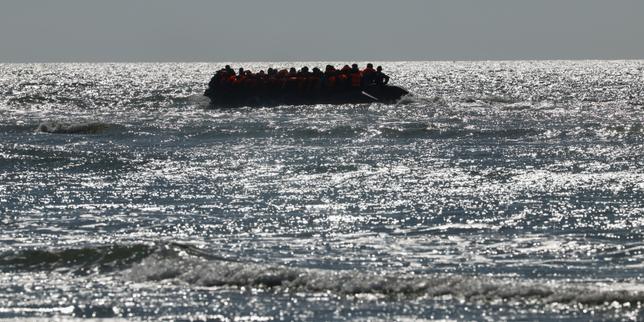
Two more lives vanished overnight in the icy waters off the northern coast of France. Another small boat failed to make it across the English Channel, adding to an escalating death toll that keeps climbing month after month. You read the headlines, you scroll past the statistics, but the sheer human cost of these clandestine crossings often gets lost in political debates. Let’s look at what's actually happening on the ground and why these tragedies show no signs of stopping.
The Grim Reality of Berck and the Pas-de-Calais Coastline
In the dead of night, far from any cameras or official notice, fragile rubber boats launch from isolated beaches. The latest incident off Berck in the Pas-de-Calais department left two men dead in their thirties and forties. Local authorities and rescue services confirmed the grim find after a night operation. Two other women suffered severe chemical burns, triggered when leaked fuel mixed with seawater inside the overloaded hull.
This isn't an isolated accident. It's a systematic crisis driven by desperation and ruthless networks. Since the beginning of the year, official figures from the prefecture show that at least 24 people have died trying to reach British shores from French beaches. Just a week prior, another overcrowded vessel broke apart or took on water, leaving three dead, including a young child.
Why People Keep Risking Everything on the Water
If you ask politicians, the solution is simple: crack down on smugglers, tighten borders, increase police patrols. But walk down to the dunes around Calais or Dunkirk, and you'll see a very different picture. People fleeing war, extreme poverty, and systemic oppression aren't deterred by increased police presence. They've already survived desert crossings, detention camps, and violence. Getting into a flimsy dingoy feels like the only remaining option.
Smugglers exploit this utter lack of alternatives. They charge thousands of euros per seat, cramming upwards of a hundred people into thin inflatable boats designed for a fraction of that weight. They don't provide proper life jackets, reliable engines, or navigation gear. They push people out into one of the busiest and most dangerous shipping lanes in the world and walk away with the cash.
The Dangerous Mechanics of the Crossing
The risks are staggering even before the boats leave the sand.
- Overloaded hulls sit dangerously low in the water, making them vulnerable to tiny ripples or wakes from passing cargo ships.
- Makeshift fuel storage often leaks caustic mixtures, causing horrific chemical burns before the boat even reaches open water.
- Freezing temperatures and sudden shifts in weather turn the English Channel into a lethal trap, especially as autumn winds pick up.
Governments spend millions on deterrence, surveillance drones, and coastal barriers. Yet the crossings continue whenever a brief window of calm weather opens up.
Moving Past the Finger-Pointing
Blaming either side of the Channel won't fix a structural failure. French police intercept boats on beaches daily, confiscating equipment and dismantling local smuggling rings. Yet the networks simply adapt, shifting departure points further south or west, changing tactics, and rushing larger groups into the water simultaneously to overwhelm patrols.
Until legal, safe pathways exist for asylum seekers, or until the root causes of mass displacement are genuinely addressed, people will keep walking onto those beaches. The names change, the dates shift, but the tragedy on the water remains identical.
:max_bytes(150000):strip_icc():focal(599x0:601x2)/sydney-sweeney-emmys-2025-5feae831f782414085c56ff6c1efc704.jpg)