Some community projects start with a whisper and fade away in a year. Others turn into absolute juggernauts.
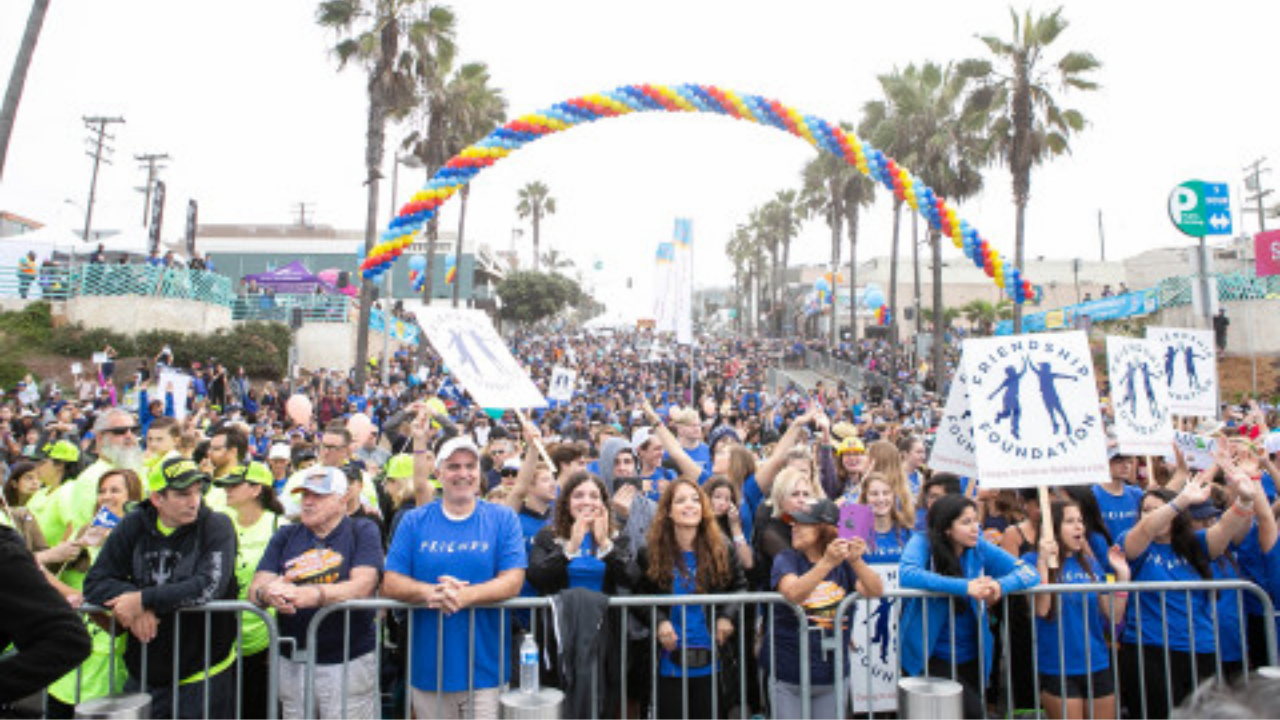
The Skechers Pier to Pier Friendship Walk just pulled off a staggering $3.3 million fundraising year, proving that grassroots determination beats corporate charity fatigue every single time. What began seventeen years ago as a humble local effort along the Southern California coastline has quietly evolved into one of the most powerful charitable engines in the state.
You wouldn't expect a simple walk from one pier to another to generate this kind of financial momentum. Yet, with over 24,000 registrants hitting the pavement in 2026, the event pushed its lifetime fundraising total past a mind-boggling $35 million.
The Power of Showing Up for Special Needs
Let's look at why this event actually matters. The money raised doesn't vanish into some vague administrative overhead. It directly fuels programs for children and young adults with developmental and learning differences.
Back when it started, the core buddy program served a tiny handful of kids at just one school. Today, it reaches more than 5,000 participants and volunteers across nearly 100 schools, running dozens of monthly programs and robust summer camps.
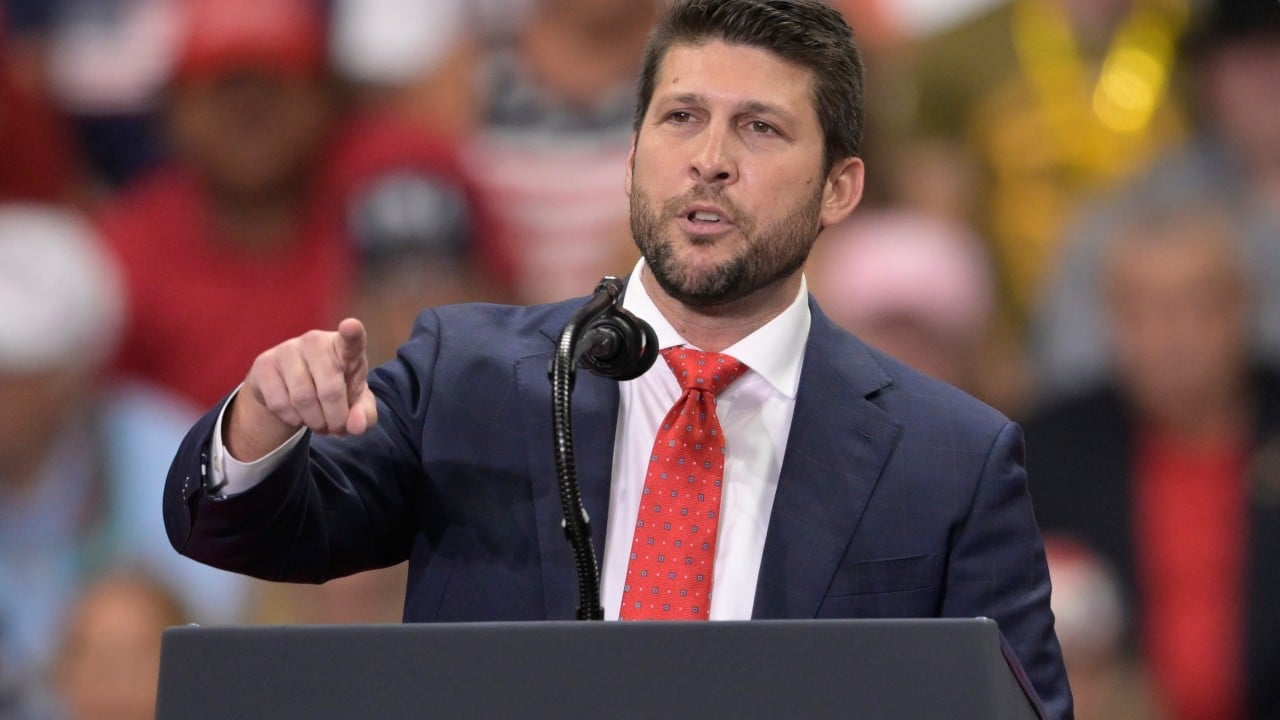
Michael Greenberg, the co-founder behind the movement, points out that participants have collectively logged over one million miles over the years. That is roughly equivalent to walking around planet Earth forty times. When you put thousands of families, students, and local volunteers together on a 3.4-mile stretch of the South Bay coastline, the energy is electric.
Big Names and Bigger Backing
You can't ignore the star power that helps draw eyeballs to the cause. High-profile supporters like boxing legend Sugar Ray Leonard, television host Brooke Burke, and actor Nate Simon turned out to lend their weight to the 2026 walk. Baseball standouts like Chris Taylor and the Karros brothers also showed up.
Nickelodeon locked in as the presenting sponsor, bringing along crowd favorites like SpongeBob and PAW Patrol characters to keep families engaged along the route. Corporate heavyweights like Mattel, Bank of America, Amazon, and the Los Angeles Dodgers also poured support into the day.
Yet, the celebrities and corporate logos are just the wrapping paper. The real substance lies in where every single dollar goes.
Beyond the Walk: Building a 70 Million Dollar Reality
Raising millions is great, but building permanent infrastructure is where charity transforms into a legacy.
Enter the Friendship Campus.
Scheduled to open on January 21, 2027, this massive 62,000-square-foot development represents a staggering $70 million investment in neurodivergent young adults. Funded heavily by the Skechers Foundation and the Friendship Foundation, it's designed to give adults with special needs a place to build real-world independence.
Inside the new facility, you'll find a dedicated culinary institute, a creative arts studio, and a full recreation center. It's built to teach practical life skills, offer mentoring, and bridge the massive gap that families face once their children age out of traditional school support systems.
Public Education Gets a Lifeline Too
Most people miss the secondary impact of this walk. It isn't just about special needs programs. Millions of dollars generated over the past seventeen years have gone straight into public education foundations.
Schools use these funds to protect teaching jobs, upgrade outdated science labs, shrink class sizes, and revitalize school libraries. On top of that, the Skechers Foundation's national scholarship program has handed out over $3.5 million to students who balance financial need with academic and athletic leadership.
When you look at the big picture, this isn't just a walk. It's a masterclass in how local communities can mobilize massive resources without waiting for government intervention.
If you want to support similar grassroots movements in your own backyard, start by looking at local education foundations or specialized non-profits in your county. Volunteer your time, show up to community events, or back local initiatives that build permanent infrastructure rather than temporary band-aids.