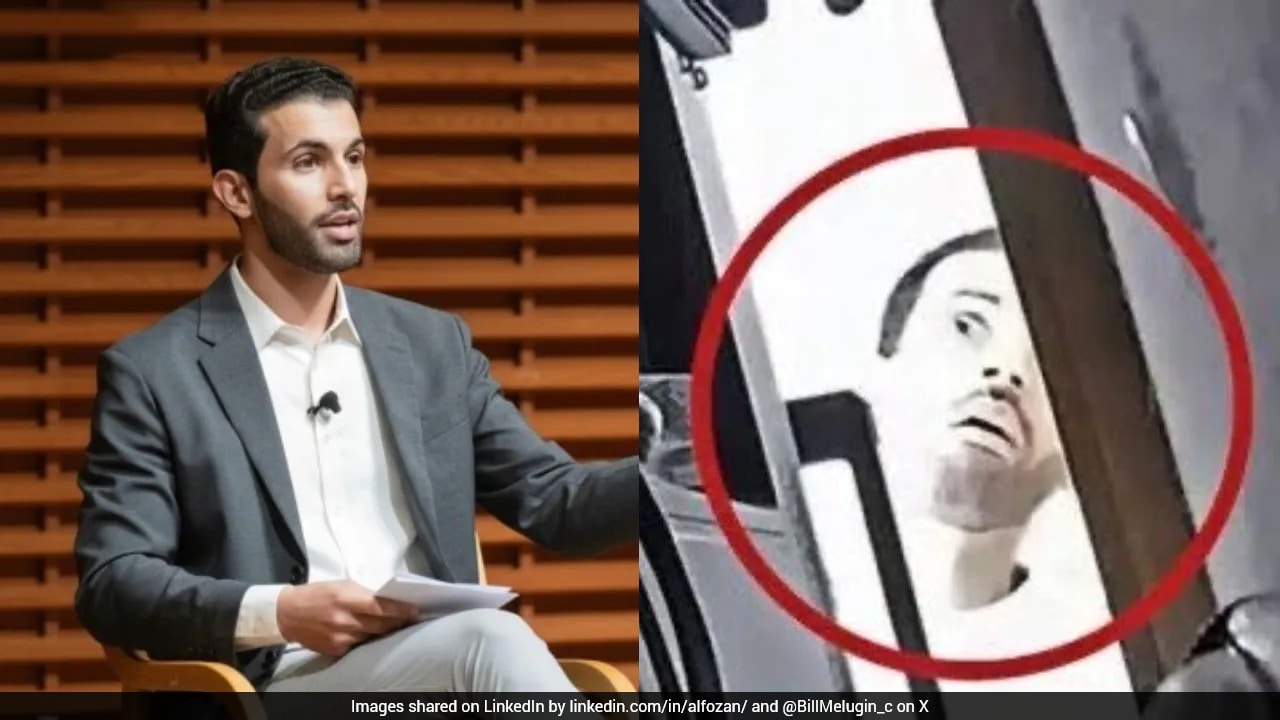
A piece of recording gear wrapped in toilet paper and plugged behind a conference room television sounds like a cheap spy thriller. Yet when U.S. Magistrate Judge Alex G. Tse cleared former OpenAI engineer Abdulrahman Alfozan for release on a $1 million bond on Tuesday, he drew a sharp line in the sand. "There is no spy story that we are talking about right now," the judge said, pushing back against the dramatic national-security framing that has surrounded the case since October.
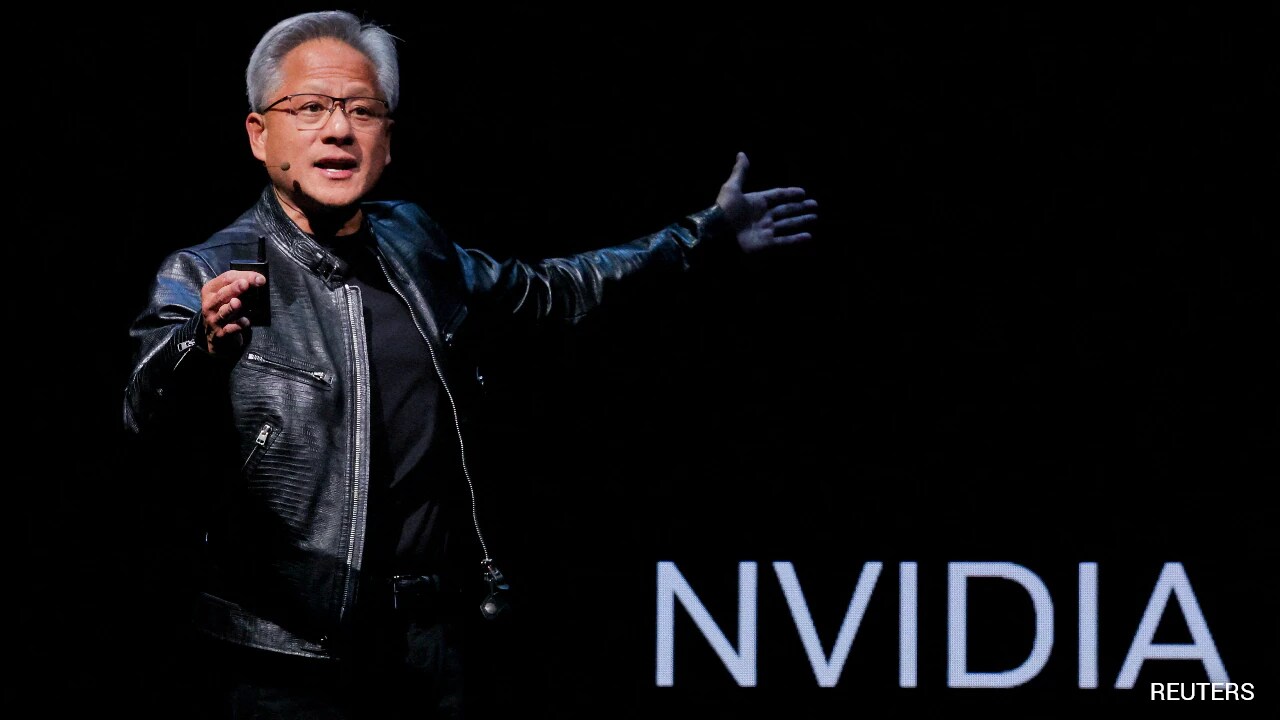
If you have been following news that a Saudi man who bugged an OpenAI office in the U.S. just got bail, you're probably wondering how someone accused of secretly recording high-level meetings walks out of jail ahead of trial. The short answer is that federal prosecutors haven't charged Alfozan with espionage or foreign-government direction. His indictment centers on a single count of intercepting oral communications under the federal Wiretap Act—a serious felony, sure, but legally distinct from spying for a foreign state. Expanding on this topic, you can also read: Why Pardoning Jensen Huang Is Still On The Table After His Shock Nvidia Comeback.
How the Alleged OpenAI Bugging Unfolded
Start with the timeline, because the details are honestly stranger than most corporate security memos ever get. According to U.S. Department of Justice filings, OpenAI security staff discovered a covert recording device on September 30, 2026, hidden in toilet paper and plugged into a USB port behind a television in a San Francisco executive conference room. That room had hosted sensitive discussions involving nonpublic technical progress, strategic priorities, commercial ties, and government engagements—including meetings where OpenAI executives and U.S. officials had recently gathered. Observers at Mashable have also weighed in on this trend.
Investigators allege the device went in around September 28 and held encrypted data. A second, similar unit was later found inside Alfozan's bag. Even more striking, prosecutors alleged that a chatbot account tied to Alfozan's wife had been used between September 27 and September 28 to ask about building, testing, concealing, and encrypting a remote-access recording device, even referencing a custom header and unique MAC address matching the hardware found behind the TV.
Alfozan, 35, joined OpenAI in July 2025 after earlier work at Meta, earned a reported $385,000 base salary plus equity, and held U.S. lawful permanent resident status dating back to 2020. He was arrested on October 9, 2026, fired following his arrest, and indicted on October 27 on one count of intercepting oral communications. On November 6 or November 9 (depending on the court docket report), he entered a not-guilty plea, with trial slated for January 2027.
Why Prosecutors Saw Flight Risk While the Judge Saw No Spy Case
From the outside, the clash in court looks like two completely different movies playing on the same screen. Prosecutors pointed to Alfozan's financial resources, his ties to Saudi Arabia—a country without an extradition treaty with the United States—a booked one-way ticket prior to arrest, and frequent WhatsApp messages with an unnamed member of the Saudi royal family. In one May 2026 exchange cited in court filings, that royal contact wrote, "Saudi needs you more then [sic] the US!" to which Alfozan replied, "100," while indicating he planned to stay until his stock vested.
Meanwhile, U.S. Director of National Intelligence Jay Clayton had previously framed the arrest around the national security stakes of the global super-intelligence race, aligning the prosecution with National Security Presidential Memorandum 11.
Yet Judge Tse looked at what was actually on the charge sheet rather than geopolitical anxiety. Defense lawyer David W. Rizk argued that the government's espionage narrative didn't hold up, and the judge agreed that the Wiretap Act count alone didn't justify keeping Alfozan locked up pending trial. Under Tuesday's order, Alfozan is set to be released on a $1 million bond—with $500,000 posted and the rest backed by three long-term friends—subject to a GPS ankle monitor, a curfew, and strict travel limits within the Northern District of California.
Having worked inside high-stakes enterprise environments, I find this gap between headline rhetoric and formal charges super instructive: intelligence officials talk about existential AI competition, while federal judges still have to rule on the specific statutes actually charged.
👉 See also: this post
Common Misconceptions About Bail and Corporate Espionage
People hear "bugged AI office," "Saudi royal family," and "bail" in the same headline and jump straight to two wrong conclusions.
First, getting bail doesn't mean the case is over or trivial. Bail in federal court isn't a verdict on guilt or innocence; it's a judicial judgment on flight risk and danger to the community under current proof. Alfozan still faces a January trial, and conviction on intercepting oral communications carries up to five years in prison, a $250,000 fine, and three years of supervised release. Prosecutors also say they found hundreds of audio files on his computer, including dozens from September 2026 OpenAI meetings.
Second, physical eavesdropping inside a tech company isn't automatically state espionage. When an insider plants a hardware recorder in a conference room, the motive could be corporate leverage, personal gain, competitive advantage, or political/diplomatic curiosity without proving foreign-state direction. That distinction matters enormously in court—and in boardrooms.
What This Reveals About Insider Threat Reality
In my experience advising organizations on security hygiene, companies spend huge energy worrying about exotic cyber breaches while overlooking basic physical habits. You can lock down cloud repositories and still get burned if a conference room TV has live USB power and nobody checks behind the screen during sweeps.
I've seen plenty of teams assume that hiring senior, high-paid engineers automatically lowers insider risk. Actually, senior staff often have broader physical badge access, deeper trust, and more context on which meetings matter most. Trust isn't a substitute for physical sweeps, RF/hardware checks, or strict device policies in sensitive rooms.
Practical Next Steps for Security and Business Leaders
Whether you run a startup, manage enterprise security, or just track how AI companies handle sensitive work, don't wait for a courtroom drama to tighten basics.
- Audit sensitive rooms physically. Check conference displays, media consoles, and power strips for unauthorized USB or network attachments, and run regular physical inspections in rooms hosting executive, legal, or government talks.
- Separate counterintelligence rhetoric from legal risk. If you're reviewing compliance or legal exposure, look at exact statutory elements—like wiretapping, trade secret theft, or export controls—rather than assuming every suspicious tie equals espionage.
- Tighten high-access offboarding and monitoring. Pair clear rules on unauthorized recording devices with rapid access revocation and forensic readiness whenever anomalies surface.
- Watch the evidentiary record, not just bond rulings. Track pre-trial motions and the January trial schedule to see how investigators tie the seized devices, audio files, and chat logs together at trial.