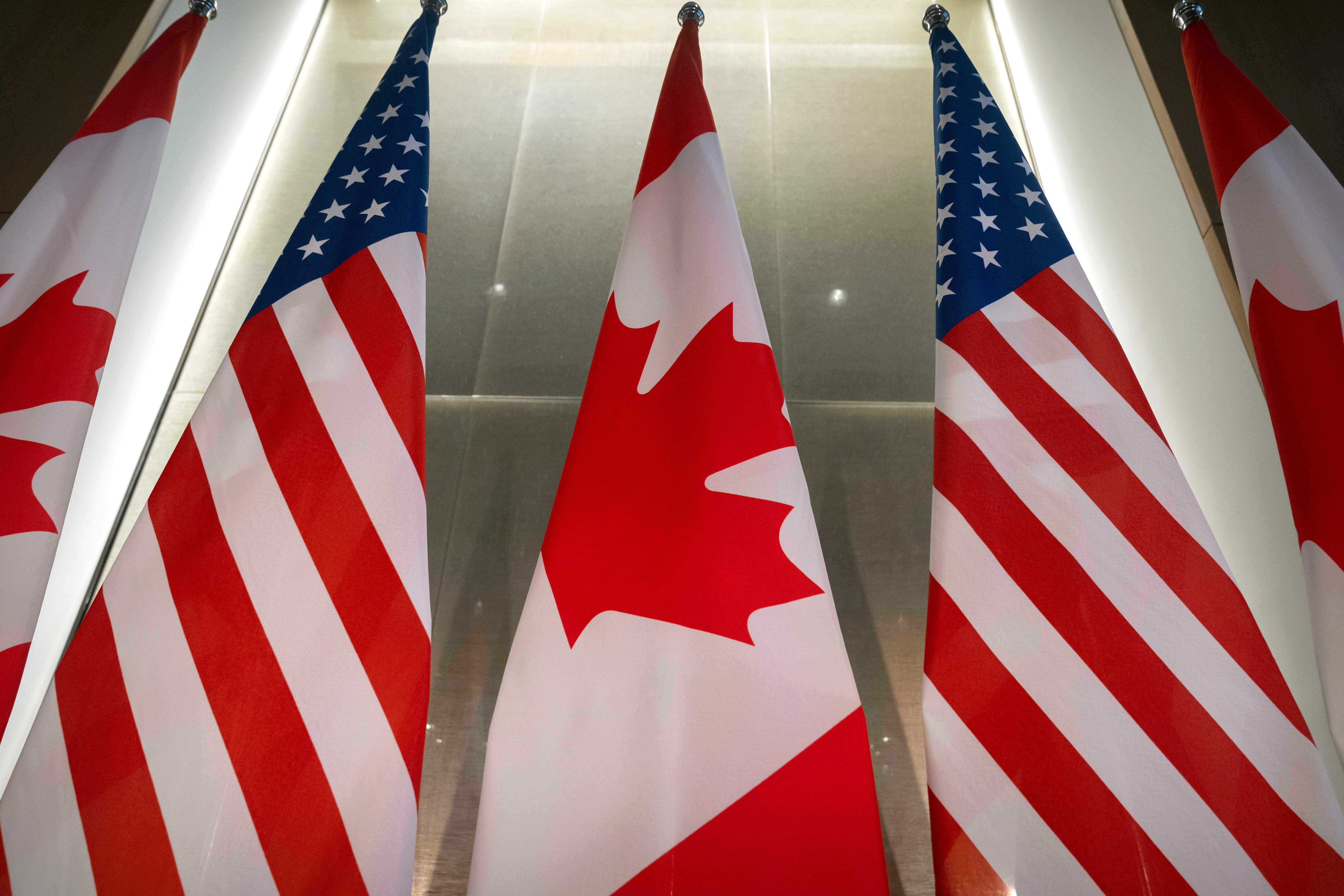
Time is running out, and the numbers look brutal. Canadian and U.S. negotiators are scrambling against a hard deadline as a massive 50 per cent U.S. tariff looms over roughly $28 billion worth of Canadian goods. If you run a business, work in forestry, or watch cross-border trade, this standoff isn't just political theater. It's an economic squeeze that could reshape North American supply chains overnight.
Trade minister Dominic LeBlanc is sitting down with U.S. Trade Representative Jamieson Greer to try and claw back a deal. But behind closed doors, the gap between Ottawa and Washington remains enormous. Let's break down what's actually happening, why softwood lumber remains the ultimate sticking point, and what this means for your wallet.
The 72 Hour Countdown
The Trump administration's proposed 50 per cent duties are scheduled to hit specific Canadian exports in just three days. We are talking about timber, wood, furniture, and a wide array of industrial materials.
Ottawa's primary objective is simple: stop the bleeding before the Wednesday deadline. Yet, sources close to the negotiations indicate that American officials aren't budging on several core demands. While Canadian negotiators fight to preserve exemptions or lower duties on compliant auto parts under the Canada-U.S.-Mexico Agreement (CUSMA), the U.S. side is playing hardball.
Rumors of a compromise suggest CUSMA-compliant auto tariffs might land somewhere between 10 and 15 per cent instead of the harsher 25 per cent rate currently floating around. Even so, auto sector leaders are warning that any compromise forcing a levy on integrated supply chains is a bad deal.
Why Softwood Lumber is the Ultimate Deadlock
If you want to understand why trade talks stall out repeatedly, look no further than softwood lumber. Canadian lumber producers are already staring down steep duties sitting at roughly 45 per cent.
Politicians across the spectrum are feeling the heat. British Columbia Premier David Eby pointed out the sheer absurdity of the current setup, noting that Canadian forest families are facing higher tariff penalties than producers in Russia or Europe. Conservative Leader Pierre Poilievre has publicly pressed Prime Minister Mark Carney's government to refuse any deal that leaves lumber out in the cold.
The harsh reality? U.S. negotiators have shown zero interest in backing down on lumber duties. Washington wants structural concessions, including pushing American alcohol products back onto provincial liquor store shelves across Canada. While some premiers are willing to crack open the liquor market for a broader win, the lumber sector looks like collateral damage.
What Happens to Your Business Next
Uncertainty kills investment. Companies caught in the crossfire cannot plan three months ahead when trade rules shift weekly.
If you're importing or exporting across the border, here is how you should handle the next few days:
- Audit your supply chain for exposure to timber, furniture, and auto components immediately.
- Check if your inventory qualifies under strict CUSMA compliance rules to minimize potential damage.
- Monitor official updates from the federal government regarding tariff remission processes if your small business faces catastrophic overhead spikes.
A bad deal could disrupt billions in trade, while no deal triggers immediate financial fallout. Keep your cash reserves high, talk to your logistics partners today, and prepare for a volatile remainder of the week.


.jpg?width=1200&auto=webp&trim=0%2C0%2C1%2C0)
