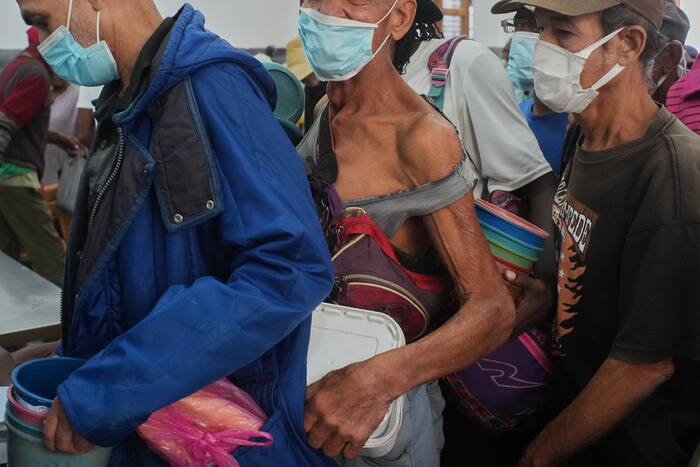
You can smell the burning firewood long before you reach the church courtyard in central Havana. Inside, volunteers are stirring massive metal pots filled with whatever ingredients they managed to secure that morning. There is no gas, electricity is a luxury that comes and goes without warning, and the lines stretching out onto the sidewalk grow longer by the week.
Cuba is enduring a crushing economic breakdown, and the impact hits hardest at the dinner table. Traditional state-subsidized rations, once a dependable baseline for every household, now cover barely a fraction of a month's needs. Inflation has torn through savings and wages alike, leaving ordinary people staring down empty store shelves. When government safety nets fray past the breaking point, religious groups, community volunteers, and grassroots charities step into the void.
The Reality Behind Closed Doors in Havana
Walk through the neighborhoods of Vedado or Centro Habana, and you will see the quiet desperation. Elderly residents who spent their entire lives working state jobs now spend hours queuing for bread or a single plate of warm food. pensions worth the equivalent of a few US dollars per month vanish in minutes at local markets where prices mimic international costs.
Charity-run kitchens organized by Catholic, Protestant, and local community groups are no longer just supplementary aid. They are literal lifelines. Volunteers wake up before dawn to source rice, beans, and scraps of protein from private farmers, gray-market traders, or international donations. Every single meal served represents a small miracle of logistics and human endurance.
Who Eats at These Community Kitchens
The demographics of hunger have shifted dramatically. It isn't just the chronically destitute anymore. You will find retired university professors, nurses, and technicians sitting side by side with families who lost their livelihoods when tourism dipped and local manufacturing stalled.
- The Elderly: Grandparents living alone whose pensions cannot cover basic medicines, let alone daily meals.
- Young Families: Parents working full-time jobs who still cannot bridge the gap between fixed state salaries and skyrocketing black-market food costs.
- The Vulnerable: Individuals with chronic health issues who require specialized nutrition that state distribution centers simply cannot provide.
Why Traditional Relief Systems Fail
The root causes of this crisis are tangled in a knot of structural failures, tightening foreign sanctions, and deep supply chain freezes. Fuel shortages paralyze the transport of goods from rural agricultural hubs to urban centers like Havana. When trucks cannot run, food rots in fields while city markets stay bare.
State-run soup kitchens and dining halls, known locally as comedores sociales, struggle under identical weight constraints. They lack consistent access to cooking gas, clean water, and bulk staples. Private restaurants and foreign-backed ventures cater to tourists with hard currency, operating in an entirely parallel universe disconnected from the daily struggle of average citizens.
This economic apartheid leaves charitable networks as the only bridge keeping communities intact. Yet these grassroots groups operate on a shoestring budget. Donations fluctuate wildly, and importing basic cooking supplies through customs red tape remains a bureaucratic nightmare.
Beyond the Plate: Building Community Resilience
What happens inside these Havana kitchens goes far beyond handing out calories. They serve as psychological anchors for neighborhoods facing unprecedented isolation. People gather not just to eat, but to share information, check on neighbors, and maintain a sense of dignity when everything else feels stripped away.
Volunteers describe a profound sense of duty. They know they cannot fix the macroeconomic forces collapsing the island's infrastructure, but they can ensure that the person sitting across the plastic table gets a hot lunch today. That grit keeps the doors open, even when the pots are nearly empty.
The situation remains deeply volatile. Without systemic reforms or a massive influx of humanitarian relief, these church basements and community courtyards will continue carrying the weight of a nation's survival on their shoulders.