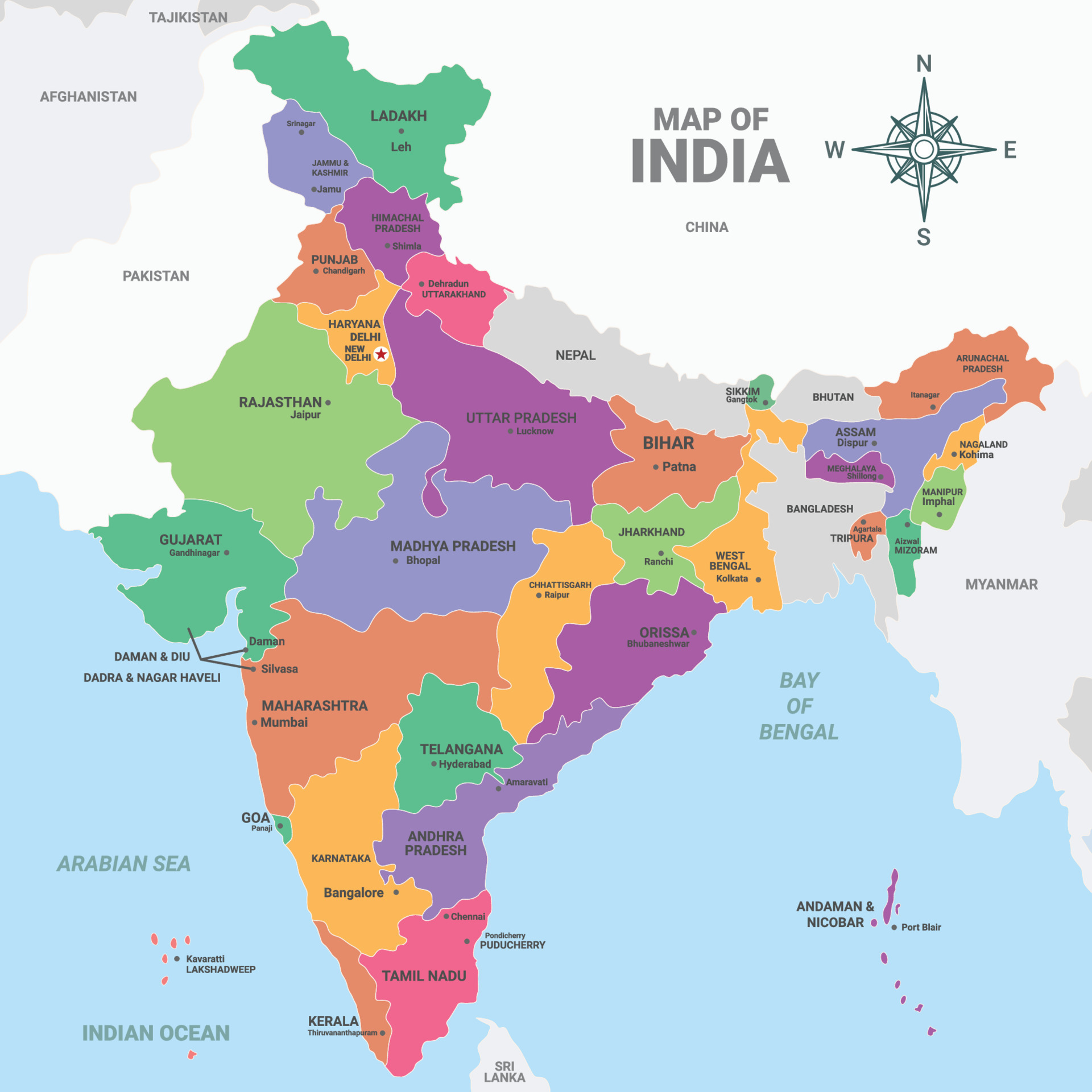
"Generally stable" is diplomatic shorthand for we aren't shooting today, even though we still want your land. When Beijing's defence ministry says the border situation with India is stable right after reports of aggressive troop posturing in Arunachal Pradesh, you shouldn't read that as a breakthrough. Read it as managed friction.
Let's cut right to the answer people actually search for when that headline pops up. Is the border calm or on edge? Honestly, it's both at once. Along the Line of Actual Control in Arunachal Pradesh, high-level commanders have been meeting to cool tensions and set clearer patrol rules, while Beijing's spokesperson Senior Colonel Chen Xi stated that the border areas remain generally stable and communication channels are active. In the very same breath, though, China rejected India's sovereignty over Arunachal Pradesh, calling it "Zangnan" and claiming it as part of South Tibet.
Why Stability and Tensions Happen at the Same Time
If you've watched India-China border news for years, you already know that "stable" doesn't mean settled. It means no large-scale military clash has broken out right now, and both sides are talking instead of letting local patrols spiral.
A basic news wire will tell you Senior Colonel Chen Xi pointed to diplomatic and military channels, including general-level meetings, to safeguard peace and tranquility. That's true as far as it goes. Still, that framing misses how routine patrol friction works on rugged Himalayan ground.
Arunachal Pradesh Chief Minister Pema Khandu put the ground reality plainly when addressing transgressions along the undefined frontier. Because the boundary isn't mutually demarcated, patrols from both sides periodically step into areas the other side views as its own. Saying a transgression happened doesn't automatically mean an invasion started. Treating every patrol overlap as war is a mistake. Pretending there's zero pressure is a mistake too.
Upper Subansiri and the Real Friction Points
Reports around the recent high-level talks have highlighted troop posturing in Arunachal Pradesh, especially in Upper Subansiri. That district sits along a tricky stretch of the eastern sector, with locations like Taksing and Asaphila drawing security attention when patrolling friction flares up.
Look at the terrain in that relief map above. Steep ridges, deep river valleys, narrow mountain passes, and weather that turns harsh fast shape every single movement. When roads are single-lane lifelines or vulnerable to landslides, even small shifts in troop posture matter logistically.
High-level talks in the eastern sector—including senior military commander meetings and follow-up flag sessions—aim to establish clear engagement protocols and stop local face-offs from escalating. On top of military talks, diplomatic engagement has continued through special representatives' discussions and top-level meetings, alongside broader diplomatic moves such as Chinese President Xi Jinping attending the BRICS summit in India in September.
What Beijing's Claim Over Arunachal Actually Signals
Whenever Beijing calls the border generally stable and then immediately insists Arunachal Pradesh is "Zangnan" and not legally recognized, you're seeing a dual track in action. One track tries to keep crisis risks contained so trade, diplomacy, and winter deployments don't spin out of control. The other track refuses to budge on territorial claims.
New Delhi's position hasn't wavered either: Arunachal Pradesh is an integral and inalienable part of India. China disputes the McMahon Line, while India treats the boundary there as settled and backed by historical and administrative reality.
Notice something else in the recent briefings: China also pushed back on deepening defence cooperation between India and Japan. During the India-Japan 2+2 dialogue, the two countries agreed to expand military and defence industry cooperation—covering areas like advanced missile technologies, maritime security, possible joint work on naval shipbuilding and design, and paving the way for Japanese Self-Defence Forces to conduct live-fire training at Indian firing ranges for the first time.
Beijing criticized Japan's security posture and warned the international community to stay vigilant. That tells you the border conversation isn't trapped in a vacuum. It connects straight to wider Indo-Pacific balancing.
The Blind Spots Most Headlines Skip
A short wire report gives you the quote of the day, which is fine if you just want a quick update. If you actually care about how this plays out over months rather than hours, three practical factors deserve more attention than they usually get.
1. Border Villages and Infrastructure Are Now Strategic Frontlines
Border management isn't just soldiers in bunkers anymore. Both sides invest heavily in roads, connectivity, and living conditions near the frontier.
In Itanagar, Union Home Minister Amit Shah highlighted population growth across 40 border villages in Arunachal Pradesh under the Vibrant Villages Programme, pointing to rising state budgets—from around Rs 12,000 crore earlier to Rs 36,000 crore—as part of broader development over the past 12 years. Better local infrastructure helps civilians stay put, improves emergency access, and strengthens India's overall capability along the frontier.
2. Water Projects Add Long-Term Strategic Weight
Territorial lines get plenty of ink, yet major river projects in the eastern Himalayas carry huge strategic stakes too. Analysts tracking regional risk point to large hydroelectric plans—such as China's proposed 60 GW Yarlung Tsangpo (Medog) project and India's proposed 11,200 MW Siang Upper Multipurpose Project—as a major layer behind long-term border sensitivities. Even when patrol incidents cool down, river basin dynamics stay front and center.
3. Local Risk Differs Wildly From Statewide Panic
People outside the region often read a border headline and picture tanks rolling through every town in the state. That's rarely how security assessments read it.
Risk analysts who track Arunachal Pradesh security note that exposure is concentrated in specific sensitive pockets—such as parts of Upper Subansiri like Taksing and Asaphila—rather than creating uniform statewide disruption. Places like Itanagar and main Assam supply routes sit far from active patrol friction zones. Still, remote terrain, single-route road vulnerabilities, and winter weather can complicate logistics and travel near sensitive stretches.
Common Mistakes When Reading Border News
Over the years, I've seen readers trip over the same traps whenever a fresh statement comes out of Beijing or New Delhi:
- Taking "stable" as permanent peace: Calm today doesn't erase an unresolved boundary or stop future patrol friction.
- Treating every transgression as a major crisis: As officials have noted, patrols regularly encounter disputed or undefined stretches without every incident turning into armed conflict.
- Ignoring third-country reactions: Beijing's pushback on India-Japan defence ties shows how regional partnerships feed directly into Chinese military messaging.
- Relying on rumor instead of verified updates: Rumors about troop movements travel fast online, often blending old footage, unverified claims, and real patrol reports.
If you want to follow this story cleanly without getting whiplash from every press briefing, take a few practical steps next:
- Check primary official readouts first: Look for statements from India's Ministry of External Affairs, defence briefings, and verified news agencies like PTI or Reuters before sharing claims about troop movements or standoffs.
- Track the specific sector, not just the state: Pay attention to whether reports name a specific spot—such as Upper Subansiri—versus vague generalizations about the whole border.
- Watch both talks and infrastructure: Follow military commander meetings and engagement rules, and keep an eye on road, village, and river-project developments that shape long-term presence on the ground.
- Verify travel or logistics advisories directly: If you're planning travel or work near sensitive frontier areas, check official government advisories and local road updates rather than social media threads.
You can also sign in to a Google Account if you want to save this chat history or pick up the thread later.