Dual coastal storms are lining up right as millions of people try to hit the road or catch a flight for Thanksgiving week. If you're flying through major hubs, driving along coastal corridors, or planning to watch the 100th Macy's Thanksgiving Day Parade in New York City, you shouldn't wait until Wednesday night to check your backup plan.
Roughly 81.5 million Americans are projected to travel at least 50 miles from home between Tuesday, November 24, and Monday, November 30, according to AAA's Thanksgiving travel forecast. Most of those people—about 72.9 million—are driving, while nearly 6 million are flying. Put that kind of volume on the move alongside a developing East Coast system and Pacific moisture, and small delays snowball fast.
Honestly, people treat Thanksgiving travel like a solved puzzle every year. They pack early, trust their airline app, and assume bad weather only hits mountain passes. That mindset gets burned whenever coastal rain, wind, or high tides collide with peak holiday traffic.
How Coastal Storms Threaten Thanksgiving Travel
Weather doesn't need to drop a blizzard to wreck a holiday itinerary. Rain slows highway speeds, shrinks runway visibility, and forces air traffic control to space flights farther apart. Even moderate crosswinds can create cascading delays at busy airports like New York's JFK and LaGuardia, Atlanta, or major West Coast hubs.
On the East Coast, a developing storm system threatens heavy rain, gusty winds, and coastal flooding across parts of the Southeast—including Florida and the Carolinas—before pushing north toward the mid-Atlantic and Northeast around Thanksgiving Day, as reported by TIME and FTN News. That timing is brutal for anyone flying south to warm-weather spots like Orlando, Miami, or Fort Lauderdale, or heading up the I-95 corridor.
Out west, coastal weather brings its own headaches. Heavy rain, storm systems, and high tides near the San Francisco Bay Area can push water onto low-lying roads and slow regional commutes, according to CNN's live travel coverage. When shoreline roads flood or visibility drops, drivers brake late and fender-benders back up entire stretches of highway for hours.
One thing I've learned from years of watching holiday travel blow up is that timing matters more than total rainfall. Two inches of rain spread across 18 quiet hours is annoying. Half that rain dumped during afternoon rush hour right before Thanksgiving turns a 90-minute drive into a four-hour slog.
Why Flights and Highways Both Feel the Squeeze
Airlines run tight turnarounds during Thanksgiving week because planes and crews are booked back-to-back. When a storm slows departures at one hub, late aircraft miss their next slot somewhere else. You can have clear skies where you take off and still get stuck on the tarmac because your plane hasn't arrived yet.
Recent aviation hiccups add extra tension to the mix. Travelers have already been dealing with high fares and recent tech-related airline and air-traffic disruptions—including a mid-November FAA system outage and separate airline IT glitches—even though officials and carriers say those technical issues aren't the same thing as this week's storms. Still, when systems are already strained, weather leaves zero margin for error.
Drivers aren't immune either. AAA notes that afternoon and early evening windows carry the heaviest traffic congestion on major metro routes. Add slick pavement or standing water, and stopping distances jump right when cars are bunched bumper-to-bumper.
Will Wind and Rain Ground the 100th Macy's Parade
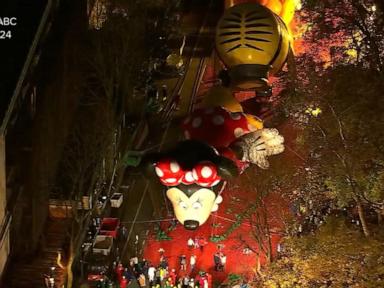
New York City's parade is marking its 100th edition on Thursday, November 26, which makes the forecast extra dramatic for spectators and organizers alike. A parade can handle chilly air or light drizzle, and giant balloons have marched in rain before. Wind is the real dealbreaker.
Under New York City safety rules, full-size parade balloons cannot fly if sustained winds top 23 mph or gusts exceed 35 mph (with some weather summaries noting a 34 mph gust threshold), as detailed by ABC10 and FTN News. Those rules exist because huge helium-filled characters act like sails between tall buildings. Gusts can tug balloons sideways or push them toward streetlamps and crowds if handlers lose leverage.
History shows how quickly conditions can change the lineup. Gusty winds in 1997 caused serious balloon accidents and led to stricter wind limits, while 1971 stands out as the year weather grounded all the giant balloons. The parade itself still goes on—marching bands, performers, and floats don't just vanish—but the iconic balloons can be grounded or kept lower depending on real-time readings Thursday morning.
If you're going in person, don't assume a dry Tuesday forecast guarantees a calm Thursday morning. Coastal storms can shift track or tighten their wind field inside 24 to 36 hours. Standing along Manhattan avenues in cold rain or stiff gusts is miserable if you dressed for a crisp, sunny photo op instead of real weather.
Common Mistakes Holiday Travelers Make Every Year
Most travel disasters start with a tiny assumption that seemed harmless at the time. Here is what usually trips people up when storms are in the mix:
- Waiting until the morning of travel to check alerts. By the time you're at the curb, rebooking options on nonstop flights are often gone.
- Booking tight connections through storm-exposed hubs. A 45-minute layover sounds fine on paper until a 30-minute ground stop wipes it out.
- Leaving during peak afternoon traffic. Hitting major highways between noon and 6 p.m. stacks congestion right on top of commuting traffic.
- Packing only for the destination. If you fly out of a rainy or windy city to a sunny beach, your departure airport still controls whether your plane leaves on time.
- Ignoring coastal flood advisories. People often watch radar for thunderstorms and miss tidal or bay flooding on low roads until water is already over the curb.
There's also a real debate about whether it's better to leave early or wait out a storm. Leaving a day early beats the worst weather if the storm hasn't arrived yet, though you might pay more for a last-minute hotel or flight change. Waiting until after a system passes can mean calmer skies, yet you risk crowded post-storm flights and missed family time. Nobody gets a risk-free choice every single year, so picking your priority—arriving early or avoiding bad weather—helps you make a cleaner call.
Practical Next Steps Before You Head Out
You can't control a coastal low-pressure system, and you can't talk parade officials into flying balloons in unsafe wind. You can cut your stress and keep a backup option in your pocket.
- Check your exact route and window today. Look past daily highs and lows to see when rain, wind, or coastal flooding peaks along your specific highway or flight path.
- Shift your departure time if you can. Aim for morning road trips when congestion is lighter, and watch airline weather waivers so you can move a flight before seats fill up.
- Pack a smart carry-on and car kit. Keep medications, chargers, a phone battery pack, and one change of clothes in your carry-on—never in checked bags—and keep water, snacks, windshield washer fluid, and a flashlight in your car.
- Set a hard decision rule for Thursday morning. If you're heading to the Macy's parade or driving through a coastal watch area, check official local alerts early and know your cutoff for staying home or taking an alternate route.
A little prep turns a potential holiday headache into a manageable detour. Check your forecast now, keep your plans flexible, and give yourself extra breathing room before the crowds peak.