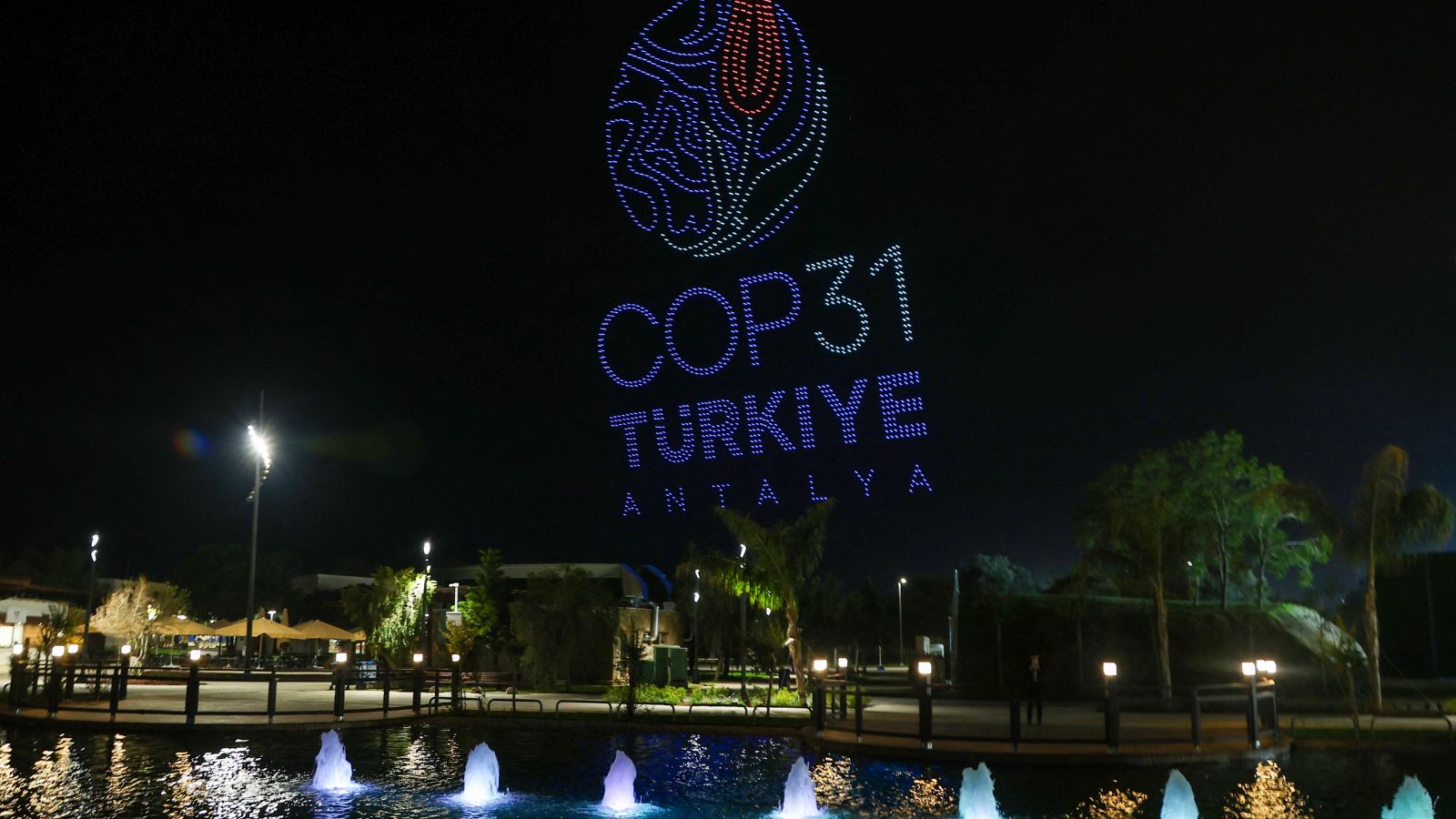
World leaders just rolled into Antalya, Turkey, for the COP31 climate summit, and the stage is already set for an absolute mess.
If you expected a united front against rising global temperatures, you haven't been paying attention. Leaders spent the opening days talking past each other. While the host nation tries to push a narrow electrification target, developing countries are demanding actual cash, and major global players are simply staying home.
Climate negotiations are hitting a brick wall. Here is what is actually happening behind closed doors and why it matters.
The Missing Giants and Clashing Agendas
Let's address the elephant in the room. The United States skipped COP31 for the second year running, following the withdrawal from international climate agreements. Other major G7 leaders mostly stayed away too, leaving British representation as the primary Western heavy hitter in attendance.
When you have the world's biggest historical emitters sitting on the sidelines, any grand global pact starts looking toothless.
Instead of a unified climate blueprint, leaders arrived with wildly competing priorities. Turkey, acting as the host, threw its weight behind a voluntary initiative to raise electricity's share of global energy consumption to 35 percent by 2035. The goal is to slash emissions from transport, buildings, and industry by plugging everything into the power grid.
Sounds great on paper. But critics immediately poked a massive hole in the plan. The proposal does not explicitly mandate that this new electricity must come from clean energy sources. The European Union pushed back hard, arguing that electrification is useless if it's powered by dirty coal and gas.
Weapons, Tariffs, and Distractions
Meanwhile, heads of state pointed fingers at global conflicts for derailing environmental progress. Brazil's President Luiz Inacio Lula da Silva didn't mince words during his address, noting that the international community has started talking way more about weapons, war, and trade tariffs than the survival of future generations.
He is not wrong. Wars in the Middle East and Eastern Europe have crippled energy security and sent fossil fuel prices skyrocketing, fueling inflation worldwide. UN Secretary-General Antonio Guterres chimed in with his usual bluntness, stating that it is long past time to stop treating the transition away from fossil fuels as a taboo subject.
Yet, translating those warnings into actual treaty language is where negotiations always stall.
Who Pays for the Damage?
For developing nations, COP31 isn't about lofty percentage targets. It's about money.
Poorer countries showed up in Antalya with a straightforward message. They refuse to borrow their way out of a climate crisis they didn't cause. They want predictable, grant-based climate finance from wealthy nations to help them adapt to extreme weather and rebuild after disasters.
Turkey also introduced an angle tying military aggression directly to climate accountability, arguing that the global community needs to assess and create compensation mechanisms for environmental damages caused by wars.
Where the Summit Goes From Here
As the high-level speeches wrap up and the real negotiators lock themselves in rooms to hash out the final text, the outlook is grim. Scientists confirmed that the earth is heating at an accelerating rate, blowing past critical thresholds while politicians trade soundbites.
You aren't going to see a miraculous, binding fossil fuel phase-out agreement come out of Antalya this week. The geopolitical fragmentation is simply too deep.
Keep an eye on whether the final text includes concrete timelines or leaves loopholes wide enough to drive a coal truck through. The real battle isn't about what leaders promise on stage. It's about what they manage to avoid signing away behind closed doors.