The federal government can't just snatch back money that Congress already obligated. That is the core message of a major federal court ruling handed down in Rhode Island, where a judge ruled that the Environmental Protection Agency acted illegally when it wiped out the 7 billion dollar Solar for All initiative.
If you've been following energy policy, you know this fight has been brewing since the administration shifted and budget priorities changed. The EPA pulled the plug on the funding back in August 2025, labeling the multi-billion dollar green energy effort a wasteful boondoggle. But District Judge Mary McElroy drew a hard legal line, writing that the agency overstepped its bounds and ignored clear legislative intent.
Here is what actually happened, why the court stepped in, and what this means for clean energy moving forward.
Breaking Down the 7 Billion Dollar Solar Battle
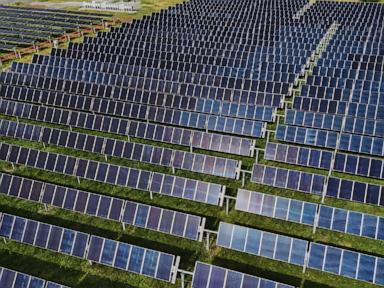
The Solar for All program wasn't some random pilot project. It was born out of the 2022 Inflation Reduction Act as a key chunk of the larger 27 billion dollar Greenhouse Gas Reduction Fund. The goal was straightforward: funnel money through states, tribes, and nonprofits to bring residential solar power to roughly 900,000 lower-income households.
Proponents argued that low-income families carry a disproportionately high energy burden. Shaving down utility bills with rooftop or community solar panels isn't just an environmental win; it's immediate economic relief.
When the administration took office, things changed fast. EPA Administrator Lee Zeldin moved to rescind the funds, arguing that the agency lacked the statutory backing to keep the program going after subsequent spending legislation passed.
Labor groups, low-income advocates, and solar organizations didn't wait around. The Rhode Island AFL-CIO, Solar United Neighbors, and the Rhode Island Center for Justice filed a lawsuit arguing that the executive branch overreached. Congress had rescinded certain unobligated balances, but the 7 billion dollars for Solar for All had already been formally awarded and obligated.
Judge McElroy agreed. Her ruling blocks the termination and forces the EPA back to the drawing board, though agency representatives have signaled they are reviewing the decision for a potential appeal.
What the Ruling Means for Energy Markets and Workers
For the clean energy sector, federal funding whiplash hurts. Contractors, local installers, and community development groups spend months planning logistics around grant timelines. When an agency freezes or cancels money overnight, supply chains stutter and workforce development grinds to a halt.
Patrick Crowley, president of the Rhode Island AFL-CIO, called the court's decision a massive win for labor and states nationwide. Thousands of union jobs depend on these green infrastructure rollouts actually happening. If the program gets fully back on track, local workforces stand to gain substantial employment opportunities in installation and grid maintenance.
At the same time, critics of the original grants argue that massive federal spending bills carry too many layers of administrative overhead. The EPA's defense relied heavily on the idea that the program involved too many middlemen taking cuts of the federal cash before it ever hit local roofs.
Regardless of the political arguments, the judicial branch just reminded the executive office that statutory laws passed by Congress carry teeth. You can't simply bypass the legislature because a new administration dislikes a predecessor's climate agenda.
Next Steps for Affected Communities
If you're tracking how this impacts local solar access, the legal dust hasn't completely settled. While this Rhode Island federal court decision blocks the termination, expect further appeals and parallel litigation playing out in specialized forums like the Court of Federal Claims.
If you're a homeowner looking to slash your electric bill or a small business working in the solar space, keep an eye on state-level implementation plans. State energy offices that received initial allocations are watching these rulings closely to see when—or if—the federal spigot turns back on.
Don't assume federal grants are your only path forward. Local utility rebates, state tax incentives, and private financing options remain available while the federal legal battles play out in real time. Take a close look at your local utility's net metering policies and check for state-specific solar incentive programs to cut costs right now.