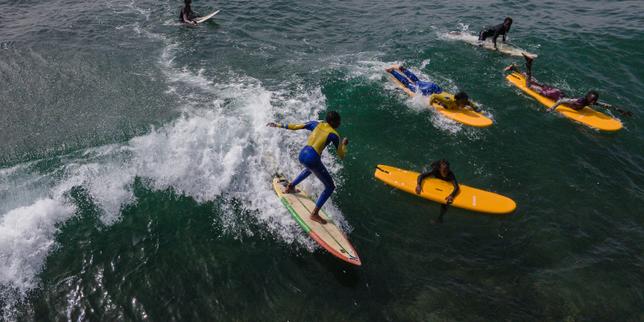
Walk onto any stretch of sand in Dakar right now, and you won't just see the Atlantic Ocean. You will see a mosaic of discarded bottles, broken packaging, and single-use wrappers stretching as far as the eye can see. As seasonal rains and heavy coastal heat sweep across Senegal, the capital's coastline bears the heavy cost of rapid urban expansion. Families and surfers still flock to the water, but they share the waves with a rising tide of municipal neglect and environmental decay.
Urban growth is choking the shorelines. Wastewater and household refuse pour straight into the bays because infrastructure hasn't kept pace with a booming population. Testing by Surfrider Foundation Senegal reveals a grim reality: nearly 43 percent of water samples fail international swimming safety standards. The situation became so acute that nautical events for major sporting showcases had to be shifted away from contaminated zones to safer waters further south.
The Human Cost Behind the Waste Crisis
Local communities are paying the highest price. Generations of traditional fishers and coastal residents, particularly the Lebou people, watch their livelihoods degrade as nets haul in more plastic than fish.
Activists like Modou Fall—widely known across Senegal as "The Plastic Man"—have spent years sounding the alarm. Draped in layers of reclaimed waste to draw public attention, Fall points out a terrifying loop: discarded packaging gets tossed, local livestock or marine life swallows it, and the contamination loops right back into the human food chain. You throw away a bag today, and you might find its microplastics on your dinner plate tomorrow.
Official cleanups often feel like a drop in the ocean. Rainy seasons trigger severe flooding that sweeps massive waves of inland garbage directly onto the beaches, neutralizing weeks of hard labor in a single night.
Grassroots Resistance and Real Local Action
Waiting around for municipal bureaucracy to fix the shoreline doesn't work anymore. Coastal municipalities and neighborhood leaders are stepping up directly.
Some districts now mandate daily waste collection routines and deploy environmental monitors to keep commercial builders from dumping debris. In certain bays, local leaders have taken matters into their own hands by implementing local ordinances. They've introduced strict fines for illegal dumping alongside small user fees dedicated entirely to youth-led maintenance crews.
Change is slow, but it's happening block by block. A few pristine coves still survive near active fish markets and traditional canoe workshops, proving that coexistence between coastal commerce and clean water is possible.
What Needs to Happen Next
If Dakar wants to save its coastline, piecemeal cleanups won't cut it. Real progress requires structural shifts that go beyond temporary fixes:
- Enforce Single-Use Bans: Stricter penalties for manufacturing and distributing non-biodegradable bags must move from paper policy to active street-level enforcement.
- Invest in Upstream Infrastructure: Wastewater treatment plants and urban drainage systems have to expand alongside the city's physical growth to stop trash from reaching the ocean in the first place.
- Fund Circular Economies: Local recycling hubs need financial backing so that plastic waste transforms into a valuable commodity rather than permanent pollution.
The ocean isn't a trash can. Supporting grassroots guardians and forcing municipal accountability are the only ways to keep Dakar's iconic shores from becoming completely uninhabitable.