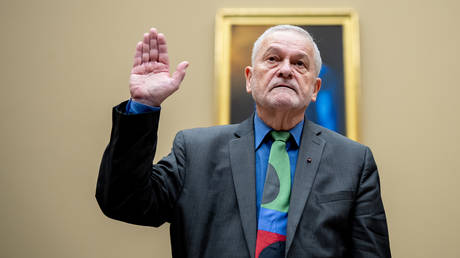
The recent guilty plea of David Morens, a long-time senior advisor to Anthony Fauci, is a big deal. Not because it proves some grand, cinematic conspiracy, but because it shines a harsh light on how federal employees treat the rules meant to keep them accountable. If you’re wondering why this is front-page news again in 2026, it’s not just about the pandemic. It’s about the erosion of trust in the institutions we’re told to rely on.
Morens pleaded guilty to one count of conspiracy to defraud the United States. Basically, he admitted he actively worked to skirt the Freedom of Information Act (FOIA) and the Federal Records Act. He didn’t just make a mistake. He used his personal Gmail account to move official government business off the books. He wanted to make sure his discussions about COVID-19 research grants stayed out of the public eye.
What Actually Happened With Those Emails
It’s easy to get lost in the noise, but the facts here are pretty straightforward. During the early days of the pandemic, NIH terminated a grant titled “Understanding the Risk of Bat Coronavirus Emergence.” This grant had ties to the Wuhan Institute of Virology. As public and political pressure grew, the government needed transparency.
Instead, court filings show that Morens and his associates agreed to funnel their communications to private email channels. The goal? To keep their conversations about the grant and the lab-leak narrative away from anyone who might send a FOIA request.
Morens didn't just hide these records; he joked about it. He even bragged that he would "delete anything I don't want to see in the New York Times." That isn't just poor judgment. It's a calculated effort to manipulate public information flow.
The Fauci Connection And Why It Won't Go Away
You’ve likely seen the headlines linking this to Anthony Fauci. It’s important to be clear: Fauci hasn’t been charged with a crime in this case. However, Morens was his senior advisor for years. They co-authored over 50 scientific papers. During hearings, Morens was often the one prepping Fauci for his interactions with the White House Coronavirus Task Force.
The optics are ugly. When a top advisor admits to a criminal conspiracy to dodge transparency laws, it makes every official statement from the agency during that time look suspicious. It’s why senators like Rand Paul continue to pursue these lines of questioning, and why Fauci himself recently invoked the Fifth Amendment over 100 times during a Senate committee appearance.
Why This Case Is A Wake-Up Call
We live in a time where skepticism of government agencies is the default for a reason. When officials operate in the shadows, they lose the benefit of the doubt. This case matters because it validates the fear that internal government "science" isn't always the product of open debate. Sometimes, it’s the product of back-channeling and back-scratching.
Think about the "illegal gratuities" mentioned in the court filings. Morens received gifts—like wine—from Peter Daszak of the EcoHealth Alliance. This isn't just about an old man and some emails. It’s about a cozy, insulated network of people who felt they were above the rules because they knew "what was best."
Practical Realities Of FOIA And Government Records
If you’re someone who relies on public records for research, journalism, or just general curiosity, you should be frustrated. The FOIA process is already notoriously slow and difficult to navigate. When agencies have employees actively working to bypass those systems, the entire mechanism of democratic oversight effectively breaks.
What can you do?
- Watch the courts, not the press releases. The raw filings from the Justice Department usually contain the only unvarnished facts.
- Support archival efforts. Organizations that track government spending and grant distribution provide the data points needed to spot anomalies like these.
- Don't assume transparency is automatic. If you’re digging into a topic, expect pushback.
Morens is scheduled to be sentenced on November 12. He faces up to five years in prison. Whether he serves a day or not, the precedent is set. Using personal email to hide public business is a crime, not just an "oops."
The system relies on people who follow the law, not just those who think they know better. We're seeing what happens when that balance shifts too far. Don't expect the scrutiny of pandemic-era records to disappear anytime soon. The paper trail might be hidden, but people are still looking.