Markets hate uncertainty, but sometimes they hate a done deal even more. Deoleo, the titan behind household olive oil names like Bertolli and Carbonell, saw its shares plummet nearly 20% in a single session. Why? Two of its fiercest domestic rivals, Dcoop and Acesur, officially joined forces to swallow the company whole at a €520 million enterprise value.
If you look at the surface, a buyout should make investors pop champagne. After all, a premium valuation usually signals confidence. But this buyout tells a much deeper story about how climate chaos, soaring grocery bills, and fierce competition have rewritten the rules of the global food supply chain.
The Anatomy of the €520 Million Blockbuster
The transaction brings together an unexpected coalition. Dcoop, a massive agricultural cooperative, and Acesur, another heavyweight in the Spanish edible oils market, agreed to split Deoleo right down the middle. Each will control a 50% stake.
For months, rumors of consolidation swirled across southern Europe. The agricultural sector has taken a brutal beating. When the dust settled on the binding agreement, the market reaction was swift and brutal. Deoleo shares took their worst daily beating in over six years.
Traders who had bid up the stock earlier in the year on recovery hopes suddenly hit the sell button. Why did they bail? Mostly because the cash-out price baked into the deal didn't leave room for immediate speculative upside. When rivals team up to buy the market leader, retail shareholders often feel like they are being squeezed out just as the hardest storm passes.
Surviving the Brutal 2022 to 2024 Market Cycle
To understand why this acquisition matters, you have to look backward. The olive oil industry just crawled out of an absolute nightmare.
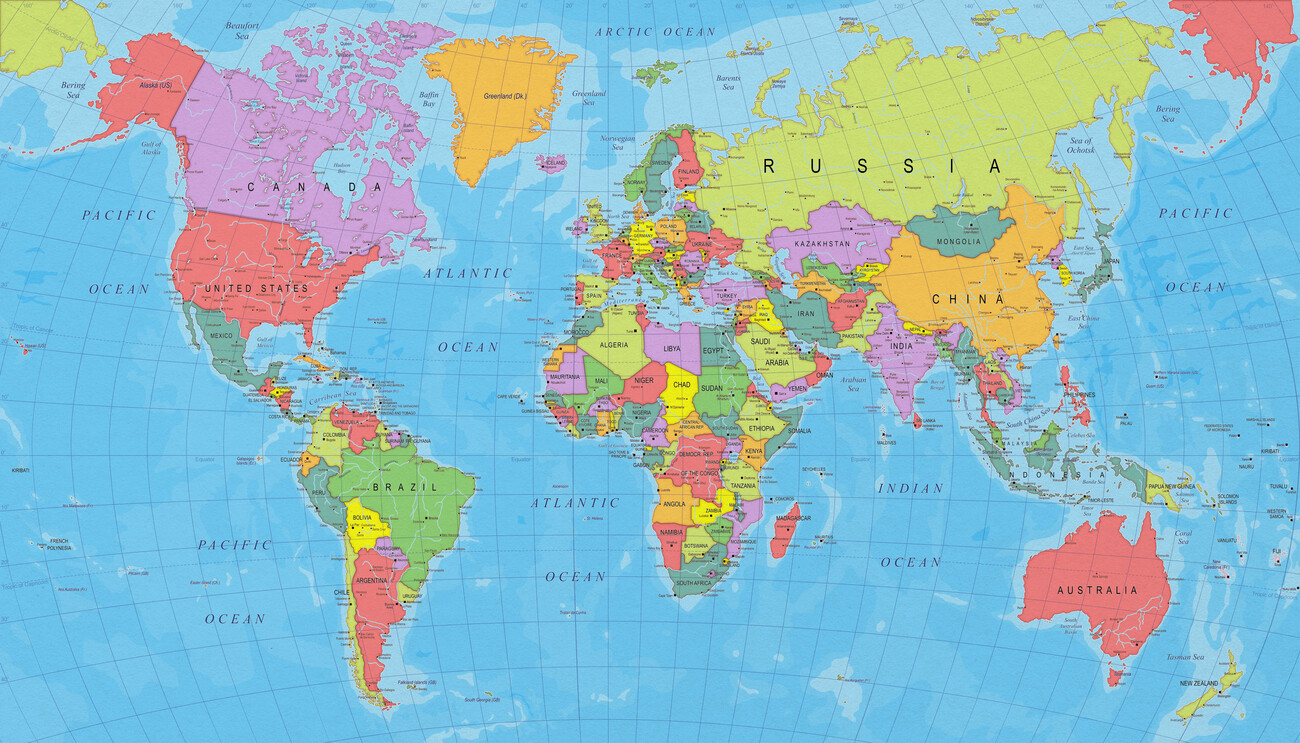
Between 2022 and 2024, historic droughts across the Mediterranean decimated olive groves. Pests ran rampant, water supplies vanished, and harvests plummeted. Prices for liquid gold skyrocketed on supermarket shelves. Consumers stopped buying, margins evaporated, and producers panicked.
Deoleo CEO Cristóbal Valdés noted earlier in the year that the worst of that cycle finally ended, thanks to a return of steady rainfall and stabilizing crop yields. Producers were supposed to enjoy the rebound. Instead, structural pressures forced a defensive consolidation. Margins are tight, and independent packagers realized they couldn't weather another climate shock alone.
What Dcoop and Acesur Actually Want
Dcoop didn't orchestrate this move just to own a fancy brand portfolio. The cooperative model changes the math entirely.
Farmers want stability. For years, olive growers watched retail prices spike while climate uncertainty threatened their livelihoods. By securing a 50% share through Dcoop alongside Acesur, the consortium aims to tighten the entire supply chain from branch to bottle.
The goal is simple: capture more value locally and protect against future commodity shocks. When you control the largest global distribution network alongside massive agricultural production pools, you dictate terms. European regulators still need to clear the paperwork, but the industrial logic is clear. Spain wants to lock down its agricultural dominance before foreign private equity or external market forces can meddle further.
What This Means for Your Grocery Bill
You might wonder if a consolidated Spanish oil giant changes what you pay for a bottle of extra virgin.
In the short term, prices are stabilizing because harvests recovered from the 2024 lows. But long term, corporate consolidation usually leads to tighter supply management. When fewer independent players fight for shelf space, large cooperatives hold immense pricing power. If another dry year hits Andalusia, expect prices to climb faster and stay high longer.
Deoleo's era as an independent publicly traded bellwether is effectively drawing to a close. The stock drop proves traders were caught off guard by the terms, but the broader industry shift is unstoppable. Climate reality forced the giants to merge. Agriculture in the Mediterranean is no longer about simple farming; it is about survival of the most consolidated.