Over eight thousand infected. Nearly four thousand dead. The numbers paint a brutal picture of an epidemic that refuses to back down.
The Democratic Republic of the Congo is fighting its seventeenth Ebola outbreak, and it is losing control. When total confirmed cases crossed the 8,000 threshold, public health officials stared down a grim milestone. This is not just another health scare. It is an unfolding humanitarian catastrophe fueled by a dangerous mix of community anger, fragile infrastructure, and a stubborn viral strain.
If you are wondering why medical teams are struggling so hard this time around, look past the basic infection stats. The real barrier isn't just medicine. It's deep-rooted distrust.
The Anatomy of Public Mistrust
Decades of conflict, institutional neglect, and broken promises have left citizens across North Kivu and Ituri deeply suspicious of authorities. When the state rolls out prevention measures, communities don't see lifelines. They see threats.
That anger turned lethal in Butembo. Marie-Celestin Karondwa, an acting local leader for the ruling UDPS party, appeared on a local radio station to discuss Ebola prevention guidelines. Hours later, enraged local residents attacked and killed him.
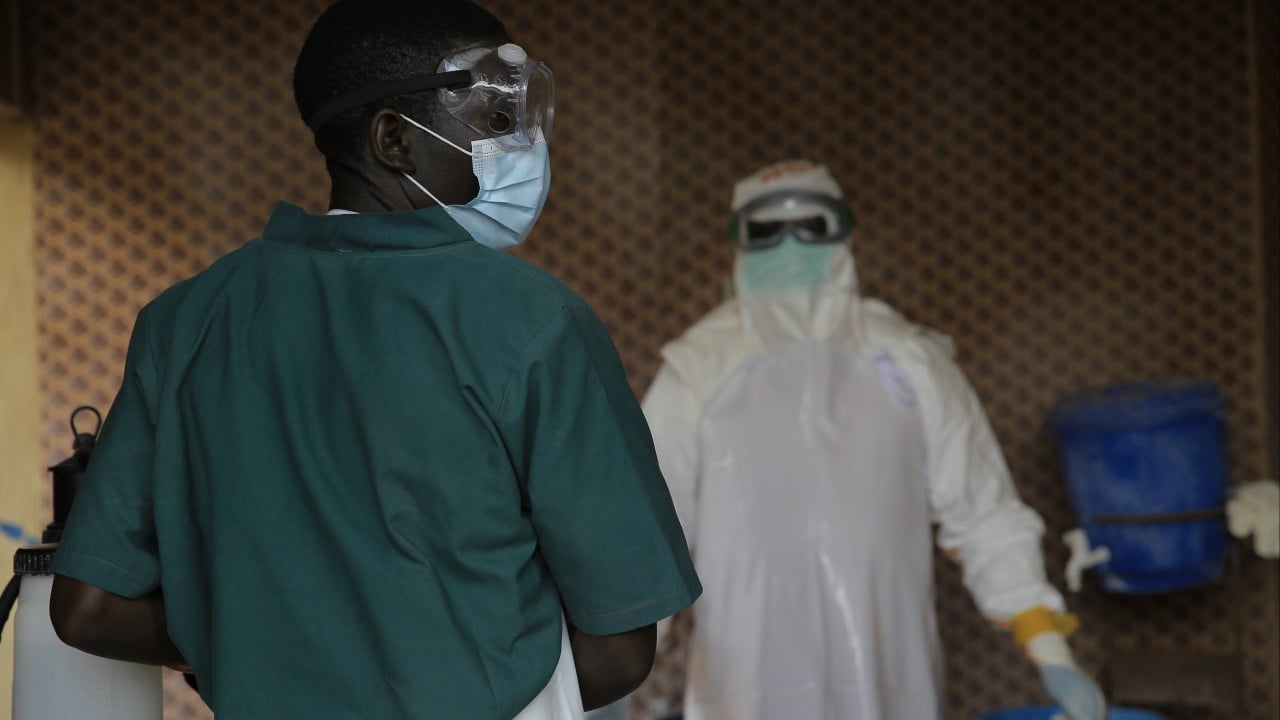
You can't vaccinate a hostile zone without safety. When health workers are targeted or viewed as enemies, disease surveillance collapses. People hide their sick family members at home. They bypass treatment centers entirely. By the time a patient reaches a clinic, it's often too late.
Fighting the Wrong Strain
Medical science has made massive leaps against Ebola over the past decade. Yet, this outbreak exposes a dangerous vulnerability.
The current epidemic involves the Bundibugyo species of the virus. Standard vaccines and approved treatments that worked wonders in past outbreaks face severe limitations here. For this specific strain, approved vaccines are either scarce or completely unavailable in hard-hit zones like Tshopo province.
Clinics are running on empty. Local health centers in Ituri report critically low treatment capacities. Supplies of experimental vaccines are sparse, leaving frontline workers exposed and vulnerable.
Africa CDC notes that while the raw growth rate of cases has leveled off from its initial terrifying spike, the outbreak is far from contained. The World Health Organization warns that this epidemic risks rivaling the devastating 2014-2016 West Africa crisis that claimed over eleven thousand lives.
Funding Shortages and Geopolitical Barriers
Money helps, but logistics kill. Last week, the United States pledged two hundred sixty-seven million dollars toward the response. International donors are scrambling to gather a targeted two billion dollars to stem the tide.
Cash in a bank account doesn't clear roadblocks. Ongoing armed conflict near the borders of Uganda, Rwanda, and South Sudan creates impenetrable no-go zones. Supply chains fracture. Aid workers spend more time navigating security threats than administering care.
If global health bodies want to stop this trajectory, throwing money at the capital won't fix it. Security must accompany medicine. Community leaders must lead the messaging, not government officials tainted by local political strife.
The outbreak is moving faster than the bureaucracy. Unless logistics improve and local communities regain faith in responders, those grim tallies will keep climbing. Protect the frontline workers, secure the supply chains, and listen to the communities on the ground before it's too late.