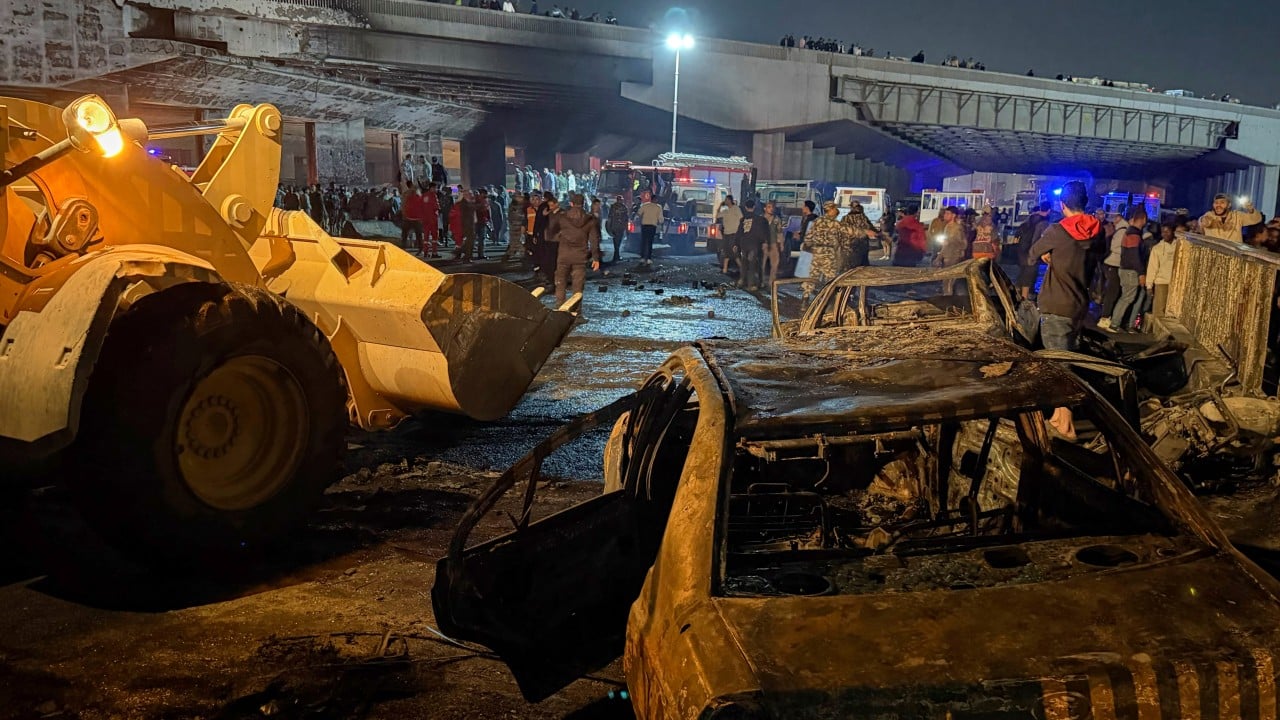
A highway tunnel near Cairo turned into a fiery death trap when a fuel tanker overturned, triggering a massive blaze that left at least 30 people dead and dozens injured. It is a devastating scene that feels terribly familiar. Another vehicle accident, another massive spill of petroleum products, and another catastrophic loss of life on Egypt's bustling ring road infrastructure.
When the tanker flipped above the tunnel in Giza's Al-Warraq district, it did not just cause a traffic jam. It unleashed a wall of fire that instantly trapped surrounding vehicles, turning cars into charred metal frames before drivers could even open their doors. Emergency responders rushed 39 ambulances to the site, transferring victims to nearby facilities like Imbaba General Hospital and Zayed Specialist Hospital, but for many, help arrived far too late. The public prosecution has since ordered DNA testing because several bodies are completely unrecognizable.
The recurring crisis of transport safety
You can build all the modern highways and multi-lane ring roads you want, but infrastructure alone cannot fix a broken safety culture. Egypt has poured massive investments into expanding its road networks over recent years to handle rapid urban growth. Yet, fatal crashes remain a grim staple of daily news. Speeding, overloaded commercial vehicles, and lax enforcement of basic traffic laws create a constant hazard on major transit corridors.
People often ask why these tanker accidents turn so lethal so quickly. The reality comes down to the absence of immediate safety barriers, rapid response containment for hazardous materials, and the close proximity of dense residential areas to major freight routes. When a private petroleum truck loses control, the margin between a simple accident and a mass casualty event is razor-thin.
Dealing with the aftermath and identification nightmare
The physical fire is only the beginning of the tragedy. Local authorities faced an agonizing task clearing the wreckage with heavy machinery while forensic teams combed through the ashes. Because the heat of a petroleum-fueled blaze reaches extreme temperatures, traditional identification methods fail. Families are forced to wait for genetic profiling to learn if their missing relatives were caught in the traffic gridlock at the moment of the blast.
Health officials revised injury tolls as survivors were stabilized, but the psychological and physical scars for the 15 or more injured individuals will last a lifetime. President Abdel-Fattah el-Sissi offered condolences, but statements and financial compensation do little to address the systemic flaws that allow heavy transport trucks to speed through densely populated urban fringes without strict oversight.
What needs to change right now
If Egypt wants to stop counting the dead after every major highway wreck, the approach to commercial transport regulations has to shift fundamentally.
- Enforce strict speed limits for heavy freight and fuel carriers using GPS tracking systems tied directly to traffic police dispatchers.
- Mandate hazardous material routing restrictions that keep massive petroleum tankers away from congested commuter tunnels during peak hours.
- Upgrade emergency response gear along major ring roads to contain chemical and fuel spills within minutes rather than letting fires burn out of control.
Until these measures move from political talking points to aggressive daily enforcement, commuters crossing the capital will continue to take their lives into their hands every single time they merge onto the highway.