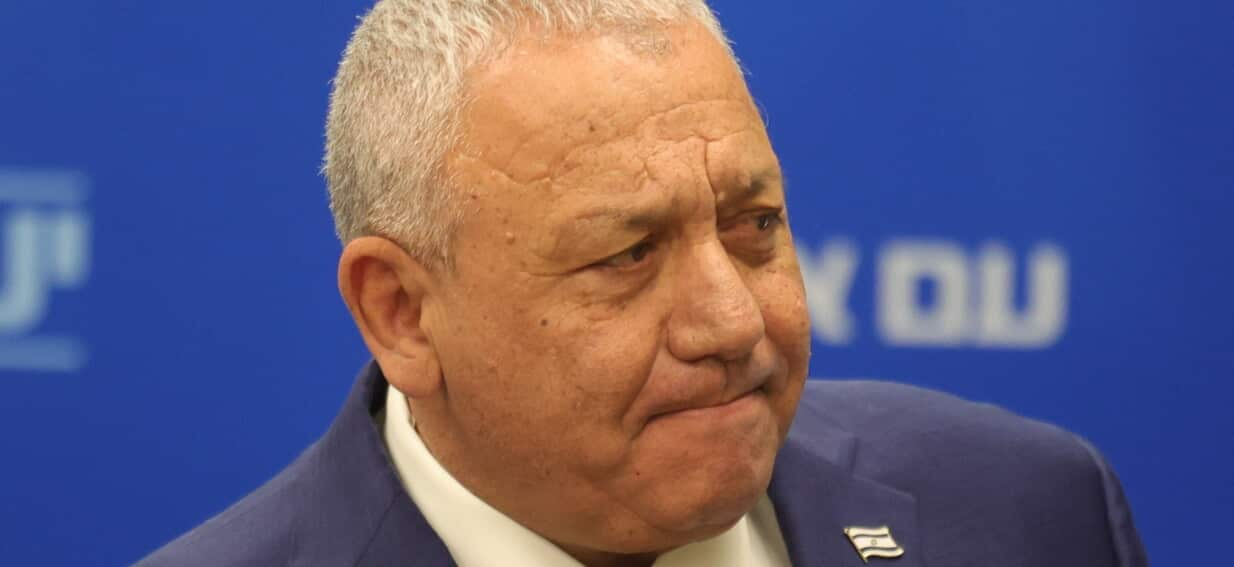
Gadi Eisenkot is calling Likud's bluff—and time is running out fast.
Following Israel's October 27, 2026 parliamentary election, opposition bloc leader Gadi Eisenkot received the presidential mandate from Isaac Herzog on November 8 to put together a new coalition. With the initial December 6 deadline bearing down on Jerusalem, Yashar chairman Eisenkot accused Benjamin Netanyahu's Likud party of dragging out unity negotiations, turning down more frequent meetings, and offering no real proposals. He put it bluntly: Likud's pitch amounts to keeping the same government, the same partners, no changes, and no conscription law—a "charade" he refuses to play along with.
If you're trying to make sense of why Israeli coalition talks feel stuck in mud even after Netanyahu's bloc lost its parliamentary majority, the answer comes down to leverage, clock-watching, and three non-negotiable sticking points.
What Is Actually Happening in Israeli Government Talks
Honestly, headline coverage often makes coalition horse-trading sound like pure personality clash, yet the mechanics here are super concrete. Eisenkot's negotiating team met with Likud only five times over two weeks, while Likud pushed back on meeting more often. Meanwhile, Knesset Speaker Matan Kahana—a Yashar member elected 66–52 over Likud's Ofir Katz on November 18—has also accused caretaker prime minister Netanyahu of stalling to keep an interim government running and potentially force another election.
Let's look at the clock. Under Israeli rules, Eisenkot has 28 days from his November 8 mandate—putting the initial deadline on December 6—with a possible 14-day extension if President Herzog grants it. Reports out of Jerusalem indicate Eisenkot is aiming to wrap up coalition agreements and submit them to the Knesset early in December, while senior figures around him worry Netanyahu could use the final stretch to block a swearing-in.
At the same time, leaked reports suggest Netanyahu has weighed offering a second-place prime ministerial rotation with Eisenkot. Eisenkot isn't buying it. He has pledged to coalition partners Yair Golan (The Democrats) and Avigdor Lieberman (Yisrael Beytenu) that he won't form a unity government with Netanyahu without their sign-off.
Why Eisenkot Says Likud Is Stalling
A quick look at the issues on the table explains why two weeks of talks produced so little movement.
- The October 7 inquiry fight: Eisenkot accuses Likud of refusing to back a state commission of inquiry into the security and policy failures surrounding Hamas's October 7, 2023 attack. Even though Eisenkot's bloc signaled willingness to compromise on terms and judicial changes, lawmakers already moved a state inquiry bill forward in a preliminary 65–50 Knesset vote over Netanyahu's opposition.
- Ultra-Orthodox military service: Universal military or national service was a defining election issue, especially after Israel's High Court of Justice ruled in June 2024 that eligible ultra-Orthodox men must be drafted following expired blanket exemptions. Eisenkot says Likud won't commit to passing a real conscription law or dropping hardline partners.
- Coalition makeup and extremists: Eisenkot has demanded removing what he calls extremists from the governing mix rather than locking in the same alliance. Likud shoots back that Eisenkot is trying to build a "dangerous left-wing government" while still claiming openness to unity talks.
A common mistake outside observers make is assuming 67 presidential recommendations on November 8 equal a done deal on the Knesset floor. They don't. Recommending a candidate to the president is step one; getting 61 votes to confirm a cabinet is the real test, and parties inside the anti-Netanyahu camp don't even agree on every partner.
The Hidden Geometry of the "Change" Camp
Watch closely how the pieces inside Eisenkot's bloc fit together, because that tension shapes every move Likud makes:
- Deals already struck: Yashar has reached agreements with Yair Golan's Democrats and Avigdor Lieberman's Yisrael Beytenu, giving that core trio 36 seats—well shy of a 61-seat majority on its own.
- Naftali Bennett's holdout: Former prime minister Naftali Bennett's B'Yachad (Together) party hasn't finalized a deal with Yashar yet, and Bennett has favored trying for a broad Zionist unity government with Likud first, while ruling out Arab or ultra-Orthodox parties.
- Arab factions and Haredi talks: Arab parties won 19 of the Knesset's 120 seats in the October 27 vote—their strongest showing ever—with Raam leader Mansour Abbas signaling readiness to recognize Hamas as a terror group to clear a path toward backing an Eisenkot government, even as some allies resist relying on Arab parties. Meanwhile, reports point to preliminary talks between Yashar and United Torah Judaism on draft legislation.
That's the catch for Eisenkot. Talking to Likud lets him show voters he tested unity in good faith, even if talks blow up. Yet every day spent negotiating with Likud also gives Netanyahu's camp oxygen to argue unity is still alive while Netanyahu remains caretaker prime minister.
What Competitor Coverage Often Misses
Many quick wire summaries—including standard news roundups—treat Eisenkot's accusation as a simple he-said, she-said standoff between two rival leaders. Having tracked Israeli coalition math through multiple deadlocks, I'd say that misses the bigger institutional tug-of-war happening right now.
First, this isn't just about cabinet posts; it's about accountability and political survival. Netanyahu, 77, has led a far-right government since late 2022 while fighting his ongoing corruption trial—which began in May 2020 and which he denies—and facing a November 2024 International Criminal Court arrest warrant over Gaza. Agreeing to a broad state inquiry into October 7 or passing legislation aimed at barring indicted officials from the premiership cuts straight at his political future.
Second, stalling in Israeli coalition talks isn't accidental drama. Delay shifts pressure onto rival leaders like Bennett, squeezes time before the December 6 deadline, and tests whether an anti-Netanyahu coalition can hold together without fracturing over Arab support or ultra-Orthodox draft compromises. You can follow live legislative tracking directly through the Knesset official site or read ongoing reporting from The Times of Israel.
Practical Ways to Track What Happens Next
If you're following this story for work, research, or personal interest, don't get pulled around by anonymous leaks every morning. Focus on four concrete signals over the next week:
- Watch December 1 to December 6: Look for signed coalition agreements submitted to the Knesset and check whether Eisenkot asks President Herzog for a 14-day extension past December 6.
- Track B'Yachad's stance: Watch whether Naftali Bennett signs onto Yashar's framework or holds out for another round with Likud.
- Check concrete text, not trial balloons: Ignore vague "unity openness" statements unless an actual draft covers the October 7 inquiry structure and military conscription rules.
- Count to 61 on floor votes: Remember that preliminary bill votes and presidential recommendations show momentum, not a guaranteed governing majority.