Tens of thousands of students are marching through Paris, Brussels, Athens, and Tirana right now. Classrooms are boiling in 40-degree heatwaves with zero air conditioning, university fees are spiking, and rents are out of reach. Yet political leaders across the continent are treating this wave of youth-led unrest as a temporary nuisance rather than a systemic warning sign.
If you think this is just teenage angst, you haven't been paying attention. This is a full-blown crisis of hope.
The Breaking Point in European Classrooms
The spark started small. In mid-September, students at a high school in Créteil, southeast of Paris, walked out over crumbling buildings, absent teachers, and overcrowded classrooms. That local grievance caught fire. Within weeks, the movement swelled into nationwide strikes, school blockades, and fierce clashes with police.
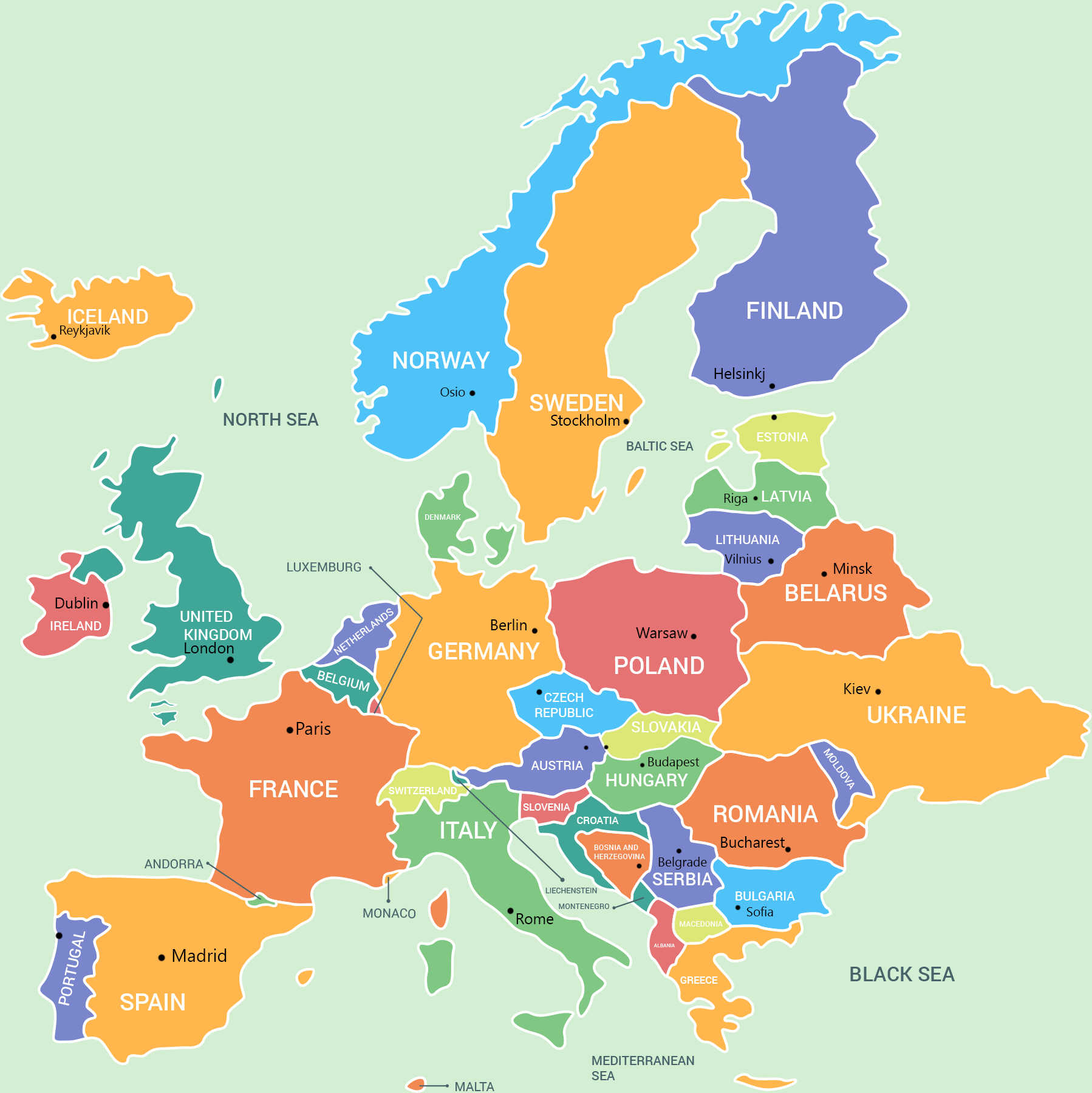
France is ground zero, but the rage crosses borders. In Belgium, students are occupying spaces and marching against higher tuition fees. In Greece, young people are pitching tents in Athens' Syntagma Square to protest impossible housing rents. In Albania, students are clashing with police over public spending.
Governments keep responding with the same tired playbook. They call riot police, dismiss student leaders as politically naive, and hope everyone goes home for the holidays. That strategy is failing. When 15- and 16-year-olds are braving tear gas and water cannons because their classrooms are ovens and their futures look bleak, standard political platitudes don't cut it anymore.
What Politicians Keep Getting Wrong
European capitals are miscalculating the nature of these protests. Officials act as though this is a routine labor dispute that can be negotiated away with minor budget tweaks or deferred promises.
It's not. The protesters aren't just asking for a few extra textbooks. They are issuing a generational indictment of how public services are managed. When young people see infrastructure crumbling, health systems strained, and housing markets rigged against anyone under thirty, they lose faith in the social contract.
You can't police your way out of a crisis of confidence. When administrations call in riot police to break up peaceful student assemblies, they only validate the protesters' core argument: that the state views its youth as a threat to be managed rather than citizens to be heard.
The Convergence of Crises
What makes this wave different from past student movements is how quickly it connects with broader societal pain. In France, the student strikes have merged with wider public anger over inflation, soaring energy bills, and general economic insecurity, drawing in trade unions and even echoes of the yellow vest movement.
When high schoolers marching for better school heating end up shoulder-to-shoulder with workers demanding higher wages and lower prices, the political pressure on leaders multiplies exponentially. Governments are trapped between strict EU fiscal rules that demand budget restraint and an angry public demanding immediate relief from high living costs.
Ignoring these demands won't make them disappear. European leaders need to fund public education properly, tackle the housing affordability trap, and start treating young citizens as partners in governance instead of suspects.
Stop waiting for the streets to cool down on their own. The generation currently marching will soon be voting, and they won't forget who locked the school gates in their faces.
PROTESTS in FRANCE leave businesses looted and ...
This video provides on-the-ground footage of the demonstrations, clashes, and property damage that erupted as students and citizens rallied across French cities.