Brussels is quietly drafting a regulatory text that could change the rules of farming across the continent forever. The European Union is eyeing the so-called Omnibus pesticides project, and it's turning heads for all the wrong reasons. If you think regulations on toxic chemicals in agriculture are strict enough, wait until you hear what's being proposed. Over a hundred organizations across France and Europe aren't waiting around to find out the full damage. They are hitting the streets, organizing local rallies, and demanding immediate pushback against what many are calling a massive gift to agrochemical lobbies.
What is the Omnibus Pesticides Project and Why Everyone is Worried
For years, the European framework relied on regular re-evaluations of active chemical substances used in agriculture. You check the science, you measure the toxicity, and if it's dangerous for human health or ecosystems, you ban it or restrict it. Simple, right? Not anymore. The new project on the table threatens to introduce unlimited approvals for certain pesticide and biocide substances, bypassing rigorous scientific checkpoints.
Instead of moving toward the Green Deal's original goal of slashing pesticide use by half by 2030, this proposal hits reverse. It weakens the capacity of member states to factor independent science into their local bans. It even opens the door to using drones for pesticide spraying and extends grace periods for outlawed chemicals.
The Human and Environmental Cost We Can't Ignore
Let's look past the corporate press releases for a second. The reality on the ground is grim. Independent studies continue to flag links between prolonged exposure to heavy agricultural chemicals and severe health disorders, including specific forms of non-Hodgkin lymphoma and neurodegenerative illnesses. Farmers and agricultural workers sit on the front lines of this crisis, often bearing the heaviest physical toll while multinational corporations rake in profits.
And it's not just humans paying the price. Rivers, groundwater tables, and soil fertility take a constant beating. Biodiverse ecosystems collapse quietly as pollinators vanish. When regulations get rolled back, toxic residues stick around longer in our daily environment. That is basically what has fueled the wave of public outcry and anger.
Mobilizing Across France
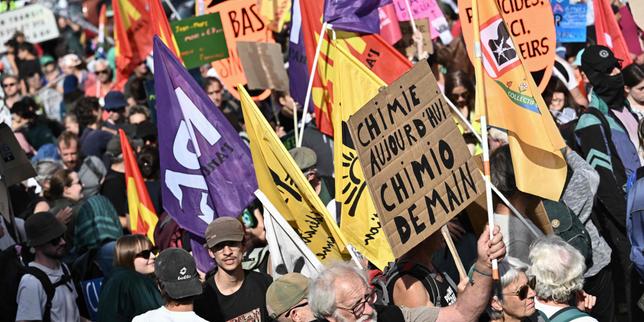
People aren't accepting these changes quietly. Grassroots movements, environmental NGOs like Greenpeace and the LPO, labor unions, consumer protection groups, and medical collectives have joined forces. They've called for massive nationwide mobilizations to sound the alarm and pressure European lawmakers.
Citizens are gathering in village squares and city centers, making noise, raising banners, and sending direct messages to members of the European Parliament. The demand is crystal clear: reject the Omnibus text, restore stringent scientific evaluations, and put public health ahead of industrial productivity.
You can't claim to care about future generations while handing out permanent passes to hazardous chemicals. The upcoming votes in the European Parliament will show where politicians truly stand. If you care about what ends up in your water, your food, and your local fields, now is the time to pay attention.