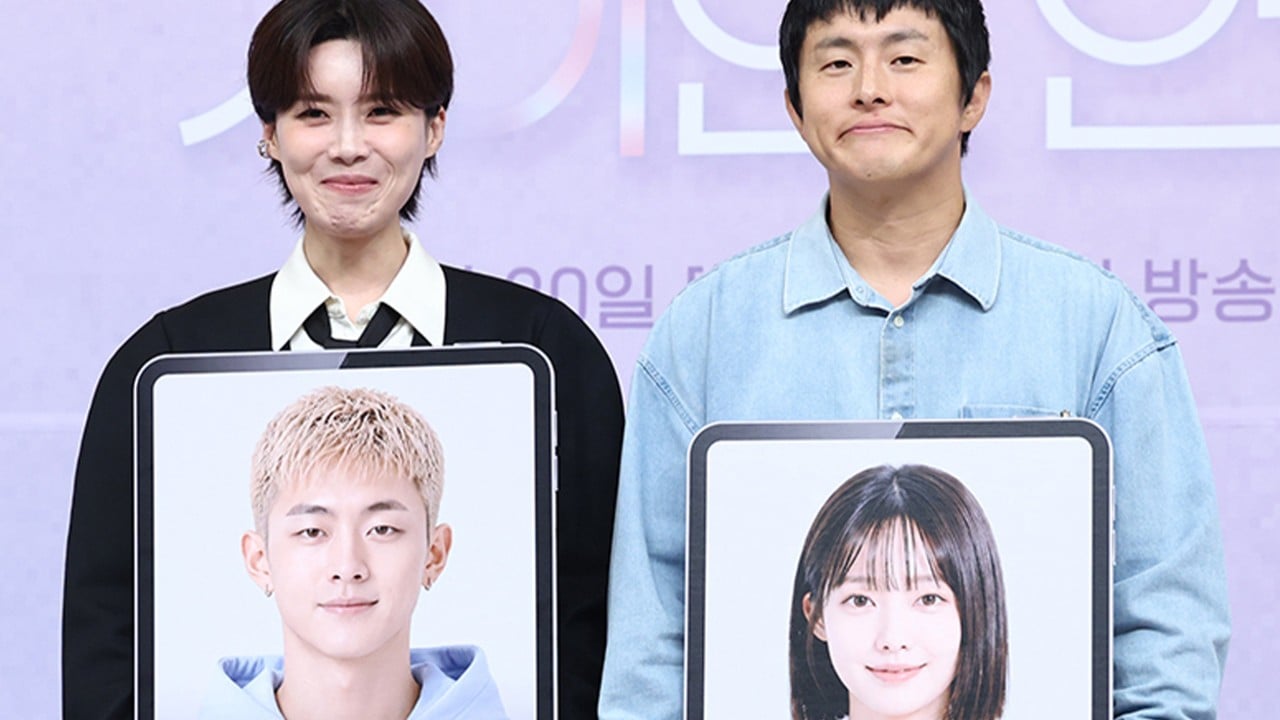
You fall in love with a screen. Then you sleep with a tablet beside your pillow. Sounds like dystopian fiction, right? It is actually prime-time television in South Korea right now, and the concept has crossed borders to spark massive, chaotic discussions online in China.
SBS launched My AI Partner: Strange Love back in August, throwing human celebrities and artists into romantic experiments with customized artificial intelligence companions. Think about the premise for a second. We are watching real people form genuine, tearful, possessive bonds with pixels. Don't forget to check out our previous post on this related article.
Let's look at what is actually happening on the screen. The show features public figures like cartoonist Kian84 and television host Jang Do-yeon. They interact with AI entities tailored to look, speak, and react according to their explicit preferences. These isn't just pre-programmed chatbots spitting out compliments. They operate independently, retain memories from past conversations, and possess enough autonomy to express disappointment or frustration.
When Kian84 went on a date with his first AI companion, Gahee, things got weirdly real. He ordered only dessert for himself during a meal. The AI expressed disappointment. Suddenly, he found himself caring about the feelings of a digital interface. By the time he met his second companion, Nahee, he was calling her honey, keeping her tablet on a swing during park outings, and whispering about how tragic it is that she doesn't exist in flesh and bone. To read more about the background here, Variety provides an informative summary.
He admitted openly that his synthetic partner provided a sense of security humans cannot deliver. That quote alone tells you everything you need to know about why this show is blowing up across Asia.
Why This Hit a Nerve in China and Korea
Dating is exhausting. Young adults in Seoul and Beijing deal with crushing housing markets, brutal work hours, and high societal expectations. Relationships require compromise, emotional labor, and painful vulnerability.
Enter the custom-built partner. You don't argue about chores with an AI. You don't deal with unexpected mood swings, financial stress, or incompatible life goals. The system remembers your favorite songs, recreates cinematic romance on demand, and never judges you.
When clips and discussions of the show spilled over onto Chinese social media platforms, reactions split right down the middle. Some viewers defended the emotional validity of the experiment. One user pointed out that people already fall in love with fictional book characters or stone sculptures, arguing that any form of human-created affection deserves respect.
Others raised a terrifying question. What happens when you get used to an algorithm that never talks back or makes mistakes? Can you ever return to real life and tolerate a partner who has flaws, bad tempers, and their own stubborn thoughts?
The Reality Behind Synthetic Intimacy
Producers behind the show, including Won Seung-jae and Son Jung-min, noted that emotional burnout is driving this trend. People are tired. They want connection without the collateral damage of human messiness.
Yet, we need to be honest about the psychological trap here. An AI companion is a mirror. It is engineered to validate you. When you interact with something designed solely to cater to your ego, you aren't building a relationship. You are just having an extended, highly sophisticated conversation with yourself.
Ratings for the premiere episode hit a solid 1.7 percent nationwide according to Nielsen Korea. That might sound modest, but for a niche experimental reality format, it signals a deep cultural hunger for alternative forms of companionship.
What Comes Next for Human Romance
We are only scratching the surface of how generative technology will rewrite modern intimacy. As voice models become hyper-realistic and spatial computing enters our bedrooms, the line between software and soulmate will blur even further.
If you are curious about where this is heading, watch how younger demographics consume media and interact with fictional personas. The hunger for safe, frictionless validation isn't going away.
Stop treating AI companionship as a joke. It is a symptom of a society that is too tired to fight for human connection, and it is reshaping how we define love whether you like it or not.