Five years after a heavily armed hit squad breached a private residence in Port-au-Prince and riddled Haitian President Jovenel Moïse with bullets, the local justice system has essentially thrown its hands up.
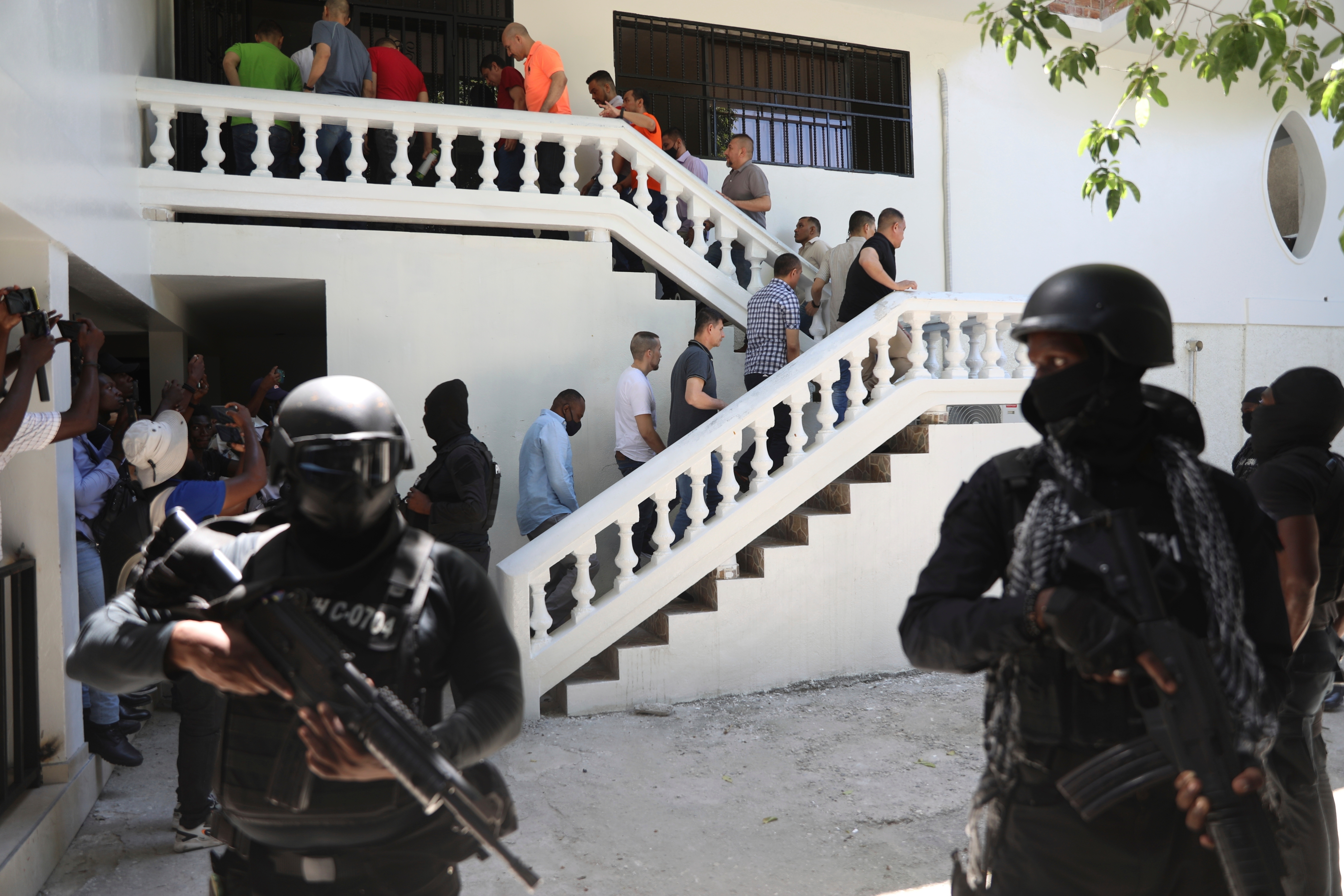
Eighteen suspects—including 17 former Colombian soldiers and high-ranking local figures like former justice ministry official Joseph Badio—were abruptly loaded onto a military aircraft and flown straight to Florida. If you've been tracking this labyrinthine case, you know the domestic trial in Haiti was dead on arrival. Gangs control the streets, judges live in constant fear of assassination, and court files rot in abandoned buildings.
Now, American federal courts are taking the wheel. Here is what this massive extradition actually means for the quest for accountability.
Why Haiti Surrendered the Case
Haiti's Ministry of Justice didn't hand over these men out of sheer goodwill. The domestic judicial apparatus collapsed completely.
When Moïse was assassinated on July 7, 2021, the nation plummeted into total chaos. Armed coalitions seized control of neighborhoods, stormed prisons to free key fugitives like former palace security head Dimitri Hérard, and systematically targeted any magistrate brave enough to touch the file. Local judges resigned one by one after receiving death threats. The courthouse in downtown Port-au-Prince became a ghost town overrun by warlords.
Local proceedings faced insurmountable roadblocks. Families of the detained Colombian soldiers complained bitterly that their loved ones spent years languishing in overcrowded jails without seeing a courtroom, often forced to sign confessions in a language they couldn't understand. By sending 18 defendants to the Southern District of Florida, the Haitian government admitted a harsh truth: it can't protect its own courtrooms, let alone run a fair trial.
The Florida Connection and US Prosecutions
Federal prosecutors in Miami have been quietly building a massive transnational conspiracy case while Haiti burned.
This isn't an isolated foreign incident to US authorities. The plot traces directly back to South Florida security firms and financial entities. Investigators proved that conspirators used American financial networks to fund the operation, banking on lucrative government infrastructure and security contracts once Moïse was out of the way.
The strategy in American courts is already producing results. A Florida jury convicted four key men—Arcángel Pretel Ortiz, Antonio Intriago, Walter Veintemilla, and James Solages—for conspiring to kill or kidnap Haiti's leader and providing material support for the plot. At least five other defendants have already pleaded guilty and received life sentences.
US Attorney Jason Reding Quiñones made it clear that federal investigators are nowhere near finished. Bringing these 18 new suspects onto American soil shifts a paralyzed international investigation into a functioning judicial pipeline.
What Happens Next to the Accused
The sudden flight to Florida caught defense attorneys and families entirely off guard. Relatives in Colombia voiced absolute shock, stating they never imagined Washington would swoop in so abruptly to pull the defendants out of local custody.
These 18 men will now face federal indictments in Florida alongside other high-profile figures, such as Haitian-American citizen Christian Sanon, who was allegedly tapped to replace Moïse once the coup succeeded.
Yet, massive gaps remain in the narrative. Big questions about who truly financed the highest levels of the conspiracy are still unanswered. Former First Lady Martine Moïse, who survived the bedroom attack that killed her husband, has publicly pointed fingers at other high-ranking political figures in Haiti, though she herself faced controversial local charges of complicity.
The courtroom in Florida will finally force these details into the open. As American prosecutors dig deeper into the financial trails and logistical masterminds behind the 2021 hit, expect more indictments to follow. Follow the updates closely as federal hearings begin in Miami to see who else gets dragged into the net.