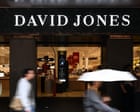
Retail history is messy. Brands don't usually vanish overnight; they bleed slowly through missed rent payments, botched restructuring plans, and stubborn refusal to accept that the old playbook is dead. That painful reality is playing out in real time as 188-year-old department store giant David Jones teeters on the brink of administration following the collapse of final-hour lease negotiations with its primary landlord, Scentre Group.
Private equity owner Anchorage Capital Partners thought they could nurse the heritage retailer back to financial health. They were wrong. When a company stops paying rent for months, you know the ship isn't just taking on water—it's sinking fast.
The Rent Strike That Broke the Deal
You can't run a retail empire on goodwill and historic prestige. Scentre Group, the powerhouse behind Westfield malls, publicly pulled the plug after David Jones failed to clear rent obligations stretching back to September. Scentre's executive team claimed they put a generous survival package on the table, only to have Anchorage Capital flatly reject it.
That breakdown triggered a cascade of emergency moves. Industry insiders point to imminent administration as the only logical next step. It's a brutal reality check for a brand that once defined luxury shopping across Australia.
Caught in the Worst Possible Squeeze
Traditional department stores are trapped in a violent crossfire. On one side, discount heavyweights siphon away budget-conscious shoppers battered by persistent inflation and high interest rates. On the other side, luxury fashion houses bypass department stores entirely, opting to sell straight to consumers through their own flagship boutiques and slick digital storefronts.
Look at the numbers across the wider sector. Rival operator Myer Holdings has seen its share price crater by more than half through 2026. Experts point out that the traditional multi-floor retail model is fundamentally broken. You cannot maintain 38 sprawling, high-overhead locations when consumer spending habits have fundamentally shifted toward online shopping and targeted neighborhood experiences.
What Administrators Face Next
If voluntary administration formally takes hold, the immediate priority becomes survival through the lucrative holiday trading corridor. Administrators love Black Friday and Christmas because cash liquidity is king. Keeping the doors open during peak shopping weeks keeps creditors at bay, even if it's just a temporary bandage on a deep wound.
Anchorage Capital had previously floated plans to slash the store footprint down to roughly a third of its current size, offloading dead-weight suburban outlets to salvage profitability. But when landlords refuse to absorb ongoing losses while you negotiate your exit strategy, time runs out immediately.
Retail survival requires ruthless agility. Heritage isn't a shield against bankruptcy. If you cannot adapt your cost structure to match modern consumer demand, even a nearly two-century-old institution will get crushed by the weight of its own floor space.
Take a hard look at your own business strategy today. If your operating model relies on historical reputation instead of current market fit, you are just waiting for your own eleventh-hour ultimatum.