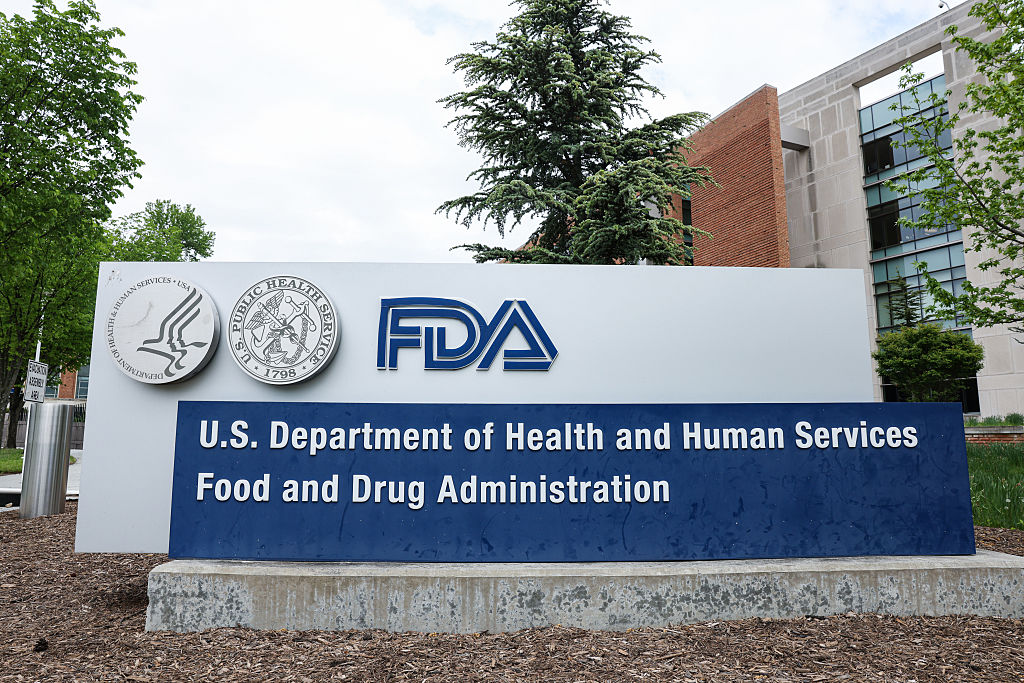
You’ve probably seen the headlines: The FDA announced a "false positive" for the parasite Cyclospora on lettuce from Mexico, prompting a flurry of confusion about whether the recent multistate outbreak is even real.
Here is the truth: The investigation is not over, and the danger hasn't vanished.
While a specific laboratory test result involving Taylor Farms de Mexico was retracted by the FDA, federal health officials are doubling down on their primary conclusion. The epidemiological evidence—the data gathered from patient interviews, shipping records, and actual sick people—remains unchanged. Thousands of Americans have been hit with severe gastrointestinal illness, and current evidence still points directly to shredded iceberg lettuce supplied by Taylor Farms.
Don’t let a single laboratory error distract you from the bigger picture of food safety.
What Actually Happened at the FDA
The confusion started when a rapid screening test at the U.S. border flagged a sample of shredded iceberg lettuce as positive for Cyclospora cayetanensis. The FDA, operating under an "abundance of caution" protocol, made that finding public immediately.
Within 24 hours, laboratory experts re-analyzed the sample. They concluded the initial result was a "false positive"—essentially, the test picked up genetic "noise" rather than the actual parasite.
Why does this happen? Cyclospora is notoriously difficult to detect. Unlike Salmonella or E. coli, this parasite cannot be cultured in a laboratory dish. Scientists must rely on molecular methods like PCR to amplify tiny fragments of DNA. If you run enough reactions on a sample, you can sometimes accidentally amplify background artifacts that look like the target pathogen. It’s a technical glitch, not a failure of the broader investigation.
Why the Outbreak Data Still Points to Lettuce
If the lab test was wrong, why is the recall still happening? Because the FDA and CDC don't just rely on one piece of evidence. Outbreak investigations are like a jigsaw puzzle where the lab test is just one single piece.
The most damning evidence isn't a petri dish; it's the pattern of human illness.
- Patient Interviews: When investigators speak with thousands of people who contracted cyclosporiasis, they look for commonalities. In this outbreak, an overwhelming number of patients reported eating at Taco Bell locations across Indiana, Kentucky, Michigan, Ohio, and West Virginia.
- Traceback Investigations: By pulling shipping logs and distribution manifests, regulators traced the produce served at those specific restaurants back to a single source: Taylor Farms de Mexico.
- Temporal Alignment: The timeline of the illnesses perfectly matches the distribution window of the implicated lettuce batches.
"Absence of evidence is never evidence of absence," noted Susan Mayne, a former top official at the FDA’s Center for Food Safety. Even without a confirmed positive product sample, the link between the sick population and the supply chain remains statistically overwhelming.
What is Cyclospora Anyway
If you’ve never heard of Cyclospora cayetanensis, you aren't alone. It’s a microscopic, spore-forming protozoan that thrives in heat and spreads through fecal-oral contamination—usually via water used to irrigate crops.
When you ingest the parasite, it invades the epithelial cells of your small intestine. The symptoms usually kick in about one week after exposure and are far from pleasant:
- Explosive, watery diarrhea (often 6+ stools per day)
- Severe abdominal cramping and bloating
- Nausea and vomiting
- Low-grade fever and profound fatigue
For most healthy adults, it’s a self-limiting illness, meaning it eventually goes away on its own. However, it can linger for weeks or even months if untreated. Vulnerable populations—children, the elderly, and the immunocompromised—can face serious complications, including significant weight loss and dehydration. If you suspect you have it, doctors typically prescribe a combination of antibiotics known as TMP/SMX (Bactrim, Septra).
The Fragility of the Food System
This situation highlights a massive weakness in how we handle foodborne illness. We are living in a summer where Cyclospora cases are surging—thousands of reports in Michigan alone—yet our ability to confirm the source biologically is painfully slow.
We lack rapid, precise DNA fingerprinting tools for Cyclospora that are as effective as the ones we use for bacterial outbreaks. By the time investigators confirm a link, the contaminated food is often already long gone, consumed by the public or tossed in the trash.
Recent political decisions haven't helped. A federal food traceability rule, designed to standardize digital records and speed up these exact types of investigations, was delayed for 30 months earlier this year. When we can't trace a head of lettuce back to the specific farm in seconds, we end up relying on broad recalls that affect entire regions instead of specific, contaminated lots.
How to Protect Yourself
You can’t wash Cyclospora off with a quick rinse under the tap. The parasite has a tough, protective outer wall that resists standard chemical disinfectants. While thorough washing with potable water helps reduce the risk, it does not eliminate it.
If you are concerned about the current outbreak:
- Follow Official Recalls: Check the FDA’s website or your local health department for specific product codes or brand names involved in the Taylor Farms recall.
- When in Doubt, Toss It: If you have shredded iceberg lettuce sourced from central Mexico and you are unsure of the origin, don’t risk it. Throw it away.
- Watch the Symptoms: If you develop severe, watery diarrhea after eating fresh produce, see a doctor. Mention you’ve been eating raw greens—most doctors don't test for Cyclospora unless you specifically ask, as it requires a specialized stool test.
- Prioritize Domestic Produce: During peak summer heat, when Cyclospora outbreaks are most common, be extra cautious with imported leafy greens and fresh berries.
The false positive was a distraction, but the threat to public health is very real. Stay informed, trust the epidemiological data over the headlines, and prioritize food safety in your own kitchen.