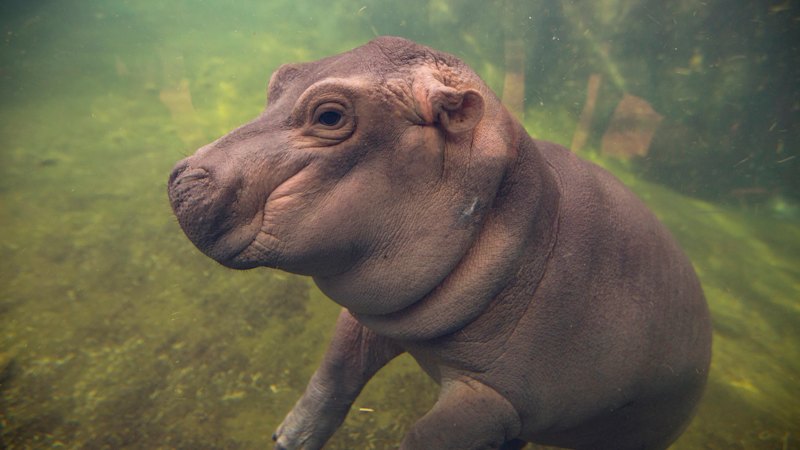
A single knit cap. A ceiling fan. A small gap above a viewing window. That's all it took to end the life of Fiona the hippo, the nine-year-old Nile hippopotamus who fought her way out of premature birth in 2017 to become an international icon at the Cincinnati Zoo & Botanical Garden.
On Thursday, November 19, 2026, zoo officials announced that Fiona had died after complications from swallowing the hat roughly eleven days earlier, on November 8. A visitor had tossed the hat into the air inside the viewing area, where a ceiling fan caught it and deflected it through a small opening above the 12-foot-high viewing windows into her habitat. Fiona ate it. At first, she showed no symptoms at all. Then her appetite dropped, and what started as a freak accident turned into a veterinary nightmare that no surgery could fix.
Most news coverage stops at the heartbreak and the tributes from governors, sports teams, and fans leaving flowers by her statue outside the zoo. Honestly, that leaves out the most important part of the story. Why couldn't vets just operate? How does a single hat kill a full-grown hippo that survived weighing just 29 pounds at birth? And what does this mean for anyone walking past a zoo exhibit with loose belongings or kids?
How a Knit Cap Becomes a Fatal Blockage in a Hippo
When people picture a hippo, they picture brute strength and massive bulk. That's true on the outside. Inside, a hippo's digestive tract is surprisingly vulnerable to the wrong kind of foreign object.
According to veterinary specialists who spoke with PBS NewsHour, hippos have a multichambered stomach designed to break down plant matter, somewhat like a cow. Unlike cows, though, they don't regurgitate and chew cud. Those multiple chambers, deep tissue folds, fluids, and half-digested food easily hide a soft object like a knit cap. Veterinarians sedated Fiona twice, ran ultrasounds that showed intestinal bunching, and even used a nine-foot scope for a colonoscopy borrowed from the Columbus Zoo without being able to reach or pinpoint the hat.
Zoo staff tried everything they could think of to keep things moving. They monitored her hydration, offered her favorite foods, and even borrowed a vibration plate from a horse farm, encouraging her to stand on it several times a day in hopes that the gentle shaking would help her pass the obstruction. On Wednesday, care team members even held out a sniff of coffee, a scent she had always loved, and felt encouraged when she reacted.
Still, a knit cap isn't plant fiber. If yarn bunches up or unravels inside narrow intestinal loops, it can cause bunching, block passage, or threaten blood flow and tissue health. Zoo Miami Foundation conservation liaison Ron Magill told CNN that the central danger with swallowed objects is an obstruction that leads to impaction, tissue damage, infection, and sepsis.
Why Surgery Was Off the Table for Fiona
If a dog swallows a sock or a toy, a vet opens them up, pulls it out, and sends them home in a cone. You can't do that with a full-grown Nile hippo.
Jack Kottwitz, an assistant professor at Michigan State University's College of Veterinary Medicine, explained why operating on a hippo is such a massive uphill battle. First, doctors can't reliably tell from standard imaging whether an item is sitting in the stomach, small intestine, or colon. Finding it might mean making multiple incisions during a grueling, lengthy procedure.
Second, hippos are notoriously tricky to anesthetize safely, and their skin can exceed two inches (five centimeters) in thickness in places. Third, hippos depend on water for temperature regulation and comfort, yet surgical incisions need to stay dry and heal for days out of the water. When Cincinnati Zoo director Dave Jenike announced her death on November 19, he said her care team was heroic and fought hard, but her body simply couldn't overcome it anymore.
From 29 Pounds at Birth to Queen of the Queen City
It's hard to separate Fiona's final days from how she entered the world. Born six weeks premature on January 24, 2017, she weighed just 29 pounds (13.2 kilograms), which was 25 pounds below the lowest recorded birth weight for her species at that time. She was also the first Nile hippo born at the Cincinnati Zoo in 75 years.
She couldn't stand on her own at first, and she couldn't nurse. Keepers hand-milked her mother Bibi, tube-fed Fiona custom formula around the clock, used an IV catheter for fluids with help from clinicians at Cincinnati Children's Hospital, and practically taught her how to swim. Millions of people watched her progress online. She inspired children's books, merchandise, beer, and even a marriage proposal outside her exhibit, alongside her younger half-brother Fritz, born in August 2022.
Ohio Governor Mike DeWine called her a true icon, Cincinnati Mayor Aftab Pureval called her a symbol of perseverance and joy, and local teams like the Cincinnati Bengals and Cincinnati Reds shared tributes. Even Chelsea Clinton noted how much Fiona's art and story meant to her. Looking at how much joy a single animal brought to a city and a global audience, the sheer randomness of how her life ended hits even harder.
What This Tragic Accident Gets Right and Wrong About Zoo Safety
Whenever a high-profile animal dies from something dropped or tossed into an exhibit, the blame game starts fast. Some people want to point fingers at parents or kids. Others wonder why a gap existed above a viewing window in the first place.
Zoo spokesperson Michelle Curley described the hat incident as an accident involving a ceiling fan and a small opening above the 12-foot-high viewing windows. Kooky? Yes. Impossible? Clearly not. And Fiona isn't the first animal to pay with its life for an item entering a habitat. Two years earlier, a rare antelope at a zoo in Tennessee choked to death on a plastic cap from a snack pouch, and in 2014, a polar bear at a German zoo died after swallowing a jacket dropped by a visitor.
Here's where I think we need to be honest with ourselves. You can't bubble-wrap every single square inch of a multi-acre zoo, and freak physics happens when airflow, fans, tossing, and curious animals collide. That said, zoos do have to keep auditing architectural gaps near airflow and viewing areas, especially where ceiling fans or elevated ledges sit near habitats. Visitors have to take responsibility too, because "I didn't mean for it to go in there" doesn't change what happens once an animal swallows something inedible.
Helping Kids Process the Loss and Protecting Zoo Animals
For a lot of kids, Fiona wasn't just a zoo animal. She was the hippo on their bedroom bookshelves, the one who fought to survive when she was tiny, maybe even their very first brush with grief over a creature they felt connected to. As reported by AP News, experts note that losing a beloved animal gives parents a real chance to talk honestly with children about sadness, permanence, and caring for living things without sugarcoating it.
If you're heading to a zoo or talking with family after hearing about Fiona, take a few practical steps right away:
- Keep loose items secured: Tuck hats, scarves, sunglasses, phones, and small toys away when standing near animal habitats, especially around fans, vents, or elevated barriers.
- No tossing or dangling anything: Don't throw objects into the air for kids to catch near exhibits, and never dangle items over railings or ledges.
- Alert staff immediately if something falls: If a hat, cap, or toy ever slips into an enclosure, tell a keeper or zoo official right away instead of walking away or trying to fish it out yourself.
- Talk openly with kids: If your child is upset about Fiona, let them share what they're feeling, look back at her survival story or books together, and channel that care into respecting wildlife boundaries.
Fiona's story started with an improbable fight to live in 2017 and ended with an improbable accident in November 2026. Keep hats on your head, keep hands and loose gear clear of exhibits, and remember how fragile even the toughest-looking creatures can be.