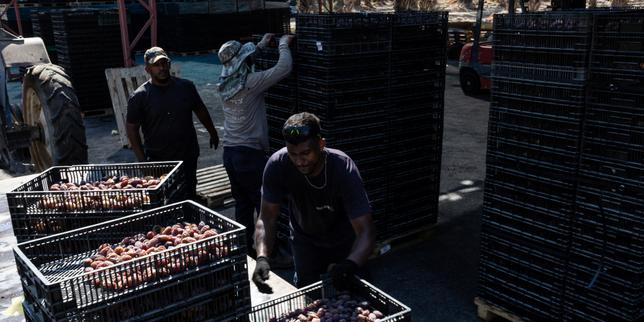
French lawmakers are heading into a high-stakes floor debate over Israeli settlement trade, pushing to turn diplomatic rhetoric into binding customs and financial law. When you look closely at what is happening in Paris right now, it isn't just another symbolic resolution on the Middle East. It's a direct test of whether France will enforce its own legal commitments or let them drift into another election cycle.
The flashpoint is private member's bill No. 3088, introduced in July 2026 by Socialist leader Olivier Faure and lawmakers across multiple parliamentary groups, with backing from over a hundred deputies across eight groups. After clearing the National Assembly's Economic Affairs Committee on November 9, 2026, the measure reaches the floor during the Socialist parliamentary slot on November 19, 2026. Thirteen nongovernmental organizations—including Amnesty International France, La Cimade, Pax Christi France, Oxfam France, and CCFD-Terre Solidaire—have pressed deputies to vote it through rather than waiting on the executive branch.
Here is the real tension driving the vote. In September 2026, Foreign Minister Jean-Noël Barrot signaled France's intention to move against trade with Israeli settlements, and in October he described bill No. 3088 as one way to reach that goal. Yet critics point out that the government hasn't put forward its own draft legislation or a firm timeline. Lawmakers pushing the bill want to lock rules into the customs and consumer codes now, before the 2027 presidential race reshapes political priorities.
Why Israeli Settlement Trade Suddenly Became a Domestic Legal Fight
For years, European governments treated settlement goods as an awkward labeling and tariff headache rather than a full-blown domestic ban. Court rulings like Brita and Psagot clarified that products from West Bank settlements sit outside EU-Israel association preferences and require accurate origin labeling, while settlement goods still entered on most-favored-nation terms. Meanwhile, EU-level action stayed bogged down in disputes over whether restrictions require unanimous foreign policy backing or a qualified majority trade vote.
Everything shifted after the International Court of Justice issued its July 19, 2024 advisory opinion on the legal consequences of Israel's policies and practices in the Occupied Palestinian Territory. That opinion underscored third-state duties not to recognize an unlawful situation as legal and to abstain from economic or trade dealings that entrench it. For campaigners and lawmakers in Paris, that legal baseline turned a diplomatic talking point into an obligation sitting right on France's doorstep.
In practical terms, the numbers look modest on paper but carry outsized legal and political weight. Analysts tracking EU-Israel trade estimate settlement imports into the European Union at roughly €76 million in 2025, around 0.5 percent of EU-Israel goods trade, while the EU accounts for about 63 percent of Israeli fruit and vegetable exports overall. Even if the physical volume of goods crossing French borders isn't massive, lawmakers argue that keeping the door open undermines the credibility of French diplomacy.
What Bill No. 3088 Actually Targets
If you expect a narrow ban on West Bank dates or wine, look closer. As drafted and amended in committee, bill No. 3088 aims to insert new provisions—Articles L. 231-7 through L. 231-9—into France's customs code, alongside adjustments to the consumer code. It covers both the Occupied Palestinian Territory and the occupied Golan Heights, targeting both goods and services tied to settlements.
On the goods side, the text goes after importing, buying, or commercializing products originating in settlements, directly or indirectly, as well as providing material, financial, commercial, or logistical help for those transactions. It also addresses cross-border workarounds so French-based operators can't simply route prohibited settlement goods through another EU member state. Violators would face customs penalties, including seizure, refusal, or destruction of goods rather than merely paying duties that might later be offset.
Just as notable is the push on services. Under proposed Article L. 231-9, operators in France would be barred from providing services—including financial services—that help establish, maintain, or expand settlements or serve settlement-based businesses when the operator knew or reasonably should have known of that link. Breaches on prohibited services carry steep potential penalties, including up to one year in prison and fines reaching up to 5 percent of annual worldwide turnover before tax.
Diplomatic condemnation loses bite when customs rules, bank financing, and tourism listings keep operating as if nothing changed.
That broader reach is why the debate is getting heated. Supporters see services—from banking and logistics to vacation rentals advertised in France—as the blind spot where economic ties quietly persist. Opponents, including the Rassemblement national, have dismissed the push as political theater and warned it would be unworkable in practice.
Where France Stands Compared to Other European States
France isn't debating this in a vacuum. Several European countries have already moved ahead with national restrictions or drafts while Brussels remains divided. Spain, Ireland, and the Netherlands have enacted or advanced national measures targeting settlement trade, with Belgium and Luxembourg also moving in that direction, alongside non-EU countries like Norway and the United Kingdom weighing or adopting steps.
That puts Paris in an awkward spot. French officials have spoken sharply about settlement expansion and violence in the West Bank, yet lawmakers and NGOs argue France is lagging behind peers that turned legal opinions into concrete statutes. Passing a law in the National Assembly doesn't mean instant enforcement overnight—decrees, customs verification rules, and court challenges all take time—but it forces the government to take a clear stand instead of managing the issue through diplomatic statements.
Common Misconceptions About This Vote
People hear "trade ban" and jump straight to wrong conclusions. Here are a few things worth clearing up before reading the headlines:
- It isn't a blanket boycott of Israel: Sponsors of bill No. 3088 explicitly frame it around settlements in occupied territories—the West Bank, East Jerusalem, and the Golan Heights—not trade with Israel inside its internationally recognized borders.
- It isn't solely about farm produce: Agricultural goods get the most attention because they're easy to picture on store shelves, yet the committee text puts heavy weight on services, banking, logistics, and misleading commercial practices.
- A committee vote isn't the finish line: Clearing the Economic Affairs Committee gets the bill onto the plenary agenda, but floor amendments, government stance, Senate dynamics, and implementation decrees still stand between a draft and active enforcement.
What to Watch Next and How to Follow It
Honestly, the biggest tell won't be the speeches during the debate. Watch how the government coalition votes, whether ministers push for narrow wording or delay tactics, and how customs authorities respond if the measure advances.
If you're tracking this story—whether as a policy watcher, business compliance lead, or engaged citizen—take three concrete steps right now:
- Read the primary parliamentary text: Check the French National Assembly dossier on bill No. 3088 and the Economic Affairs Committee report to see the exact definitions and penalties rather than relying on second-hand summaries.
- Track the EU legal clash: Follow European discussions on whether settlement restrictions fall under common commercial policy or foreign policy sanctions, since EU single-market rules heavily shape national enforcement.
- Audit supply-chain and service exposure: If you work with cross-border trade, finance, travel, or retail in Europe, review origin-verification controls and third-party listings early so you aren't caught scrambling if national rules tighten.