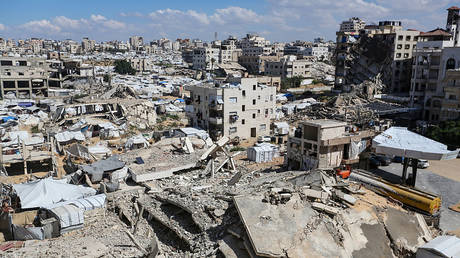
Another day, another casualty report from the strip. As the US-brokered truce approaches its first anniversary on October 10, 2026, the reality on the ground tells a story far removed from peace. Recent strikes and gunfire have claimed more lives in Gaza, proving that a cease-fire signed on paper doesn't automatically stop the bleeding.
Let's look at what's actually happening. At least eight Palestinians were killed over a recent two-day span in a series of targeted strikes and military gunfire. Local medical authorities and civil defense workers reported incidents ranging from drone strikes hitting vehicles and displacement tents in Gaza City to fatal shootings near central refugee camps.
The Broken Promise of the Truce
When the agreement was struck back in October 2025, politicians touted it as a turning point. They promised troop withdrawals, humanitarian relief, and a path toward reconstruction. Instead, people are dying at an alarming rate.
According to figures from Gaza’s Health Ministry, more than 1,450 Palestinians have lost their lives and over 5,000 have been wounded since the truce supposedly took effect. Aid groups paint an even starker picture. Islamic Relief released data showing that over the past year, an average of one person has been killed or wounded every ninety minutes. That statistic includes at least 320 children.
Why is this happening? Both sides point fingers. The Israeli military maintains that it is responding to security threats, targeting armed combatants, and retaliating against violations. They argue that militant groups continue to test boundaries, forcing a kinetic response. Meanwhile, Palestinian officials and international monitors point out that intermittent air raids and artillery fire have become a grim part of daily life, effectively turning a fragile pause into a slow-motion conflict.
Stalled Diplomacy and Disarmament Roadblocks
The core of the diplomatic standstill comes down to a fundamental disagreement over disarmament and territorial control. International mediators tried to forge a lasting framework, but talks stalled over Hamas's refusal to disarm under current terms, alongside disputes regarding the complete withdrawal of Israeli forces.
Diplomacy moves at a snail's pace while casualties mount. When agreements lack robust enforcement mechanisms, they tend to bend until they break. That's exactly what we're witnessing right now.
If you're following these developments, don't expect a sudden diplomatic breakthrough just because an arbitrary anniversary is approaching. Real peace requires political will, mutual concessions, and an end to daily military friction that keeps local communities living in constant fear. Keep an eye on international pressure points and regional mediation efforts, as those remain the only variables capable of shifting the current trajectory.