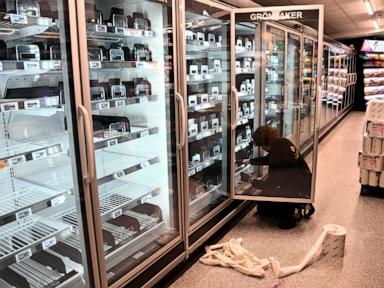
Imagine walking into your local grocery store on a Monday morning only to find the entire frozen food aisle hissing, leaking, and sitting at a blistering 50 degrees Celsius. That is not a random mechanical failure. It is the chilling reality of a coordinated wave of cyber-attacks hitting grocery chains across Europe.
When hackers figured out they could remotely override industrial refrigeration units, they didn't just target corporate databases or steal credit card numbers. They went straight for the physical supply chain, turning standard commercial cooling systems into weapons against food security.
How the Freezer Sabotage Works
We spend billions on enterprise firewalls, cloud security, and endpoint protection, yet we leave industrial internet of things devices wide open. The recent attacks across seven European nations—impacting stores in Belgium, Sweden, Luxembourg, Ireland, the Netherlands, Estonia, and Finland—highlight a glaring blind spot in modern infrastructure.
The mechanism is shockingly simple. Many modern commercial freezers and chillers rely on connected temperature controllers from manufacturers like Danfoss to optimize energy usage and allow remote diagnostics. If those controllers are exposed directly to the public internet without proper authentication, or if default credentials remain active, anyone with a rudimentary script can access them.
Attackers logged into these systems overnight, bypassed safety locks, and manually adjusted temperature setpoints. Freezers meant to hold steady at negative temperatures were cranked up to 50°C (122°F). Meat, dairy, and frozen goods thawed out, spoiled, and rotted within hours.
This follows a massive precedent set in France, where hundreds of supermarkets lost millions of euros worth of inventory after hackers targeted connected refrigeration units.
The Real Cost Beyond Spoiled Inventory
Most people look at these headlines and think about insurance claims or wasted groceries. That misses the bigger picture.
When a neighborhood supermarket loses its entire stock, the impact ripples outward immediately:
- Small franchise owners face devastating out-of-pocket losses before insurance kicks in.
- Local communities face sudden shortages of fresh food and daily essentials.
- Supply chains strain as distribution centers scramble to restock dozens of storefronts simultaneously.
Security analysts have warned for years that cyber warfare would eventually cross the barrier from digital disruption to physical damage. We are past the threshold. When code can rot food on a mass scale, cybersecurity becomes a public health issue.
Why Retailers Keep Getting Vulnerable
If you talk to industrial automation engineers, they will tell you the root cause is operational legacy debt. Supermarket chains often merge old hardware with modern smart-grid software. Contractors install smart refrigeration units for efficiency, connect them to a local network for remote monitoring, and forget to isolate them behind a secure virtual private network.
Too many retail IT departments treat physical building management systems as an afterthought. They focus heavily on point-of-sale terminals and customer databases while leaving the back-room refrigeration servers exposed to the open web. Attackers don't need sophisticated zero-day exploits when they can find thousands of commercial fridges broadcasting their login portals directly to search engines like Shodan.
Securing the Cold Chain
Fixing this mess requires a complete shift in how retailers handle operational technology.
First, disconnect all refrigeration controllers from the public internet immediately. If remote management is mandatory, it must run exclusively through encrypted, zero-trust tunnels or secure VPNs rather than exposed web ports.
Second, vendors must stop shipping hardware with default administrative passwords enabled out of the box. Manufacturers like Danfoss have long recommended safety updates, but hardware deployment practices at individual franchise locations often lag years behind software patches.
We cannot treat physical infrastructure as separate from cybersecurity anymore. If a hacker can change a thermostat from a laptop halfway across the world, every connected asset in the building is a vulnerability waiting to be exploited. Lock down the hardware before the next heat wave ruins more than just inventory.