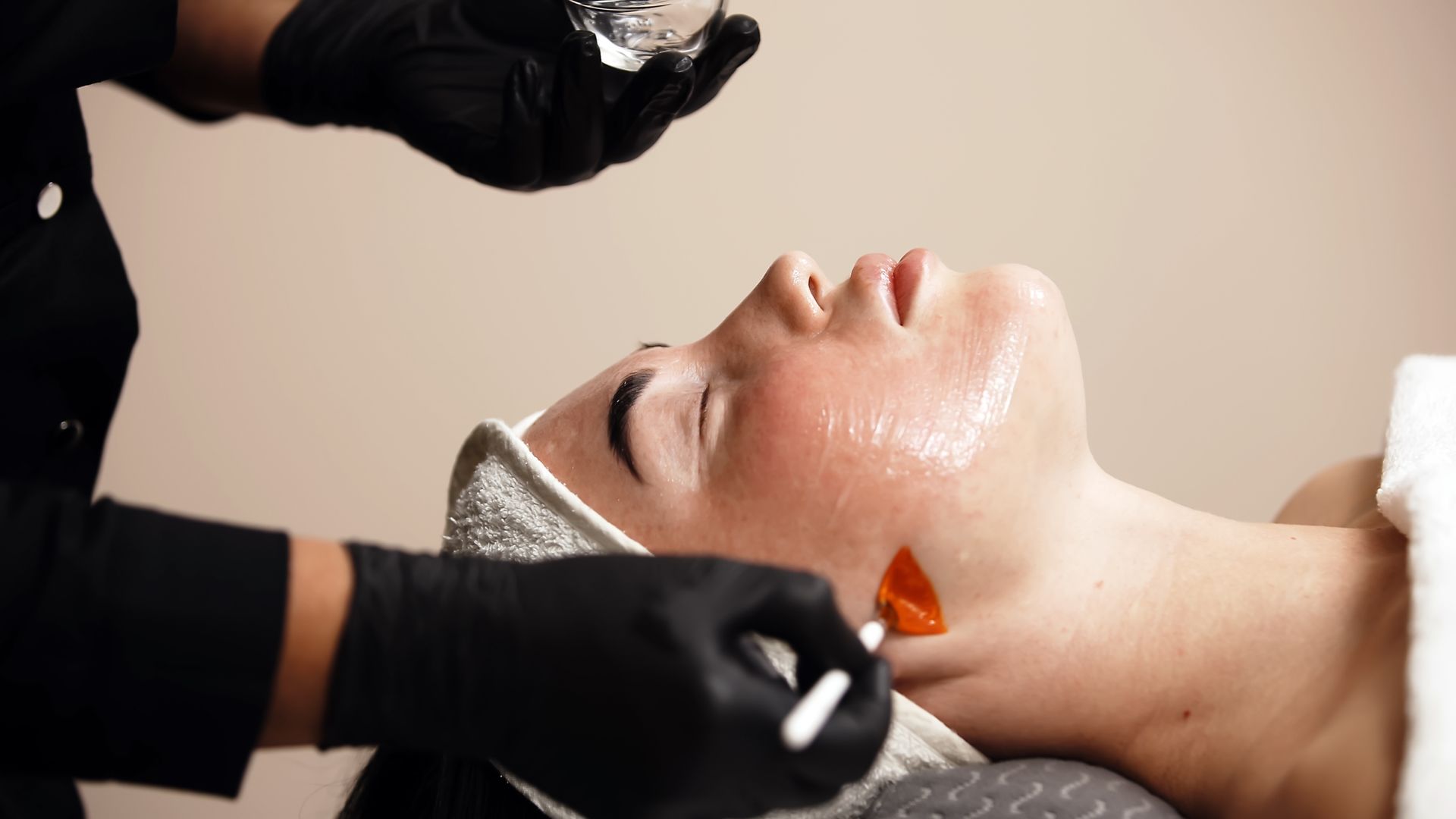
You can walk into a store right now, buy a chemical peel or a hair-straightening treatment, take it home, and apply it to your body. Nobody checks your credentials. Nobody tracks the long-term safety data with the urgency applied to office supplies.
MPs recently dropped a truth bomb that shocked the public: hair and beauty products face fewer regulations than everyday ballpoint pens. Let that sink in. A plastic tube of ink meant for scribbling notes on a notepad undergoes stricter quality controls and safety oversight than chemical formulations slathered onto scalps, faces, and skin.
It is completely backwards.
The Bureaucratic Blind Spot in Cosmetics
How did we get here? For decades, the beauty industry operated under a bizarre loophole. While pharmaceuticals face years of grueling clinical trials, animal testing bans, and microscopic ingredient scrutiny, cosmetics slide through a much looser system. Manufacturers can put active chemicals on the market without pre-market approval from independent health watchdogs in many jurisdictions.
Think about what you have in your bathroom cabinet right now. Shampoos, styling gels, bleaching agents, chemical relaxers, lash glues, and anti-aging serums. Many of these contain potent chemical compounds capable of causing severe allergic reactions, chemical burns, respiratory damage, or long-term hormonal disruption. Yet, the burden of proof often falls on victims after an injury occurs, rather than on manufacturers before a product hits the shelves.
When British MPs highlighted this glaring regulatory gap, they weren't just making a witty comparison to stationery. They were pointing out a massive hazard to public health. A faulty ballpoint pen leaks ink on your fingers. A poorly regulated chemical hair treatment can cause permanent hair loss, chemical burns, or chronic health conditions.
Who Pays the Price for Loose Rules
The commercial beauty market moves fast. Trends explode on social media within hours. Brands pop up overnight to capitalize on viral moments. They manufacture products cheaply, slap a pretty label on them, and sell directly to consumers via TikTok Shop, Instagram, and Amazon.
Speed wins over safety. Independent salons and everyday consumers absorb the risk.
Hairdressers and beauty professionals often sit on the front lines of this crisis. They deal with cumulative exposure to harsh chemicals daily. Breathing in fumes from smoothing treatments or handling concentrated dyes without adequate safety infrastructure takes a heavy toll. Many develop occupational asthma or severe contact dermatitis.
Consumers face parallel dangers. At-home bleaching kits and DIY cosmetic procedures have surged in popularity. People try salon-grade treatments in their bathrooms with zero training. When things go wrong, the hospital visits follow. Emergency rooms treat chemical burns and severe ocular injuries from mishandled beauty products more often than most realize.
The Illusion of Safety on Labels
You look at a bottle. You see buzzwords like "natural," "clean," "dermatologist tested," or "hypoallergenic."
None of those terms mean very much legally.
Marketing teams love unregulated terminology. They know consumers equate these words with safety. Meanwhile, ingredient lists read like organic chemistry textbooks written in code. Fragrance formulas are often hidden behind trade secret laws, meaning companies do not even have to disclose every chemical used to create a specific scent. If you suffer from allergies or sensitivities, good luck figuring out which exact compound triggered your reaction.
Self-regulation does not work. When an industry gets to mark its own homework, corners get cut to protect profit margins.
What Needs to Change Right Now
Fixing this mess requires a complete overhaul of how authorities treat cosmetic and beauty formulations.
First, mandatory pre-market registration needs to happen. Companies should have to prove their formulas are safe before they touch a customer's skin. Independent testing should be standard, not optional.
Second, loopholes regarding professional-only products need closing. If a chemical requires specialized knowledge to apply safely, retail platforms shouldn't sell it to anyone with a credit card and an internet connection.
Third, transparency must become absolute. Every single ingredient, including fragrance components and chemical preservatives, needs to appear clearly on the packaging or a digital database linked via QR code.
You deserve to know that the products you put on your body will not harm you. Until lawmakers drag cosmetic regulations into the modern era, you have to protect yourself. Read ingredient lists carefully. Look past marketing hype. Be deeply suspicious of miracle cures and overnight transformation formulas.
Your skin and hair are worth more than a disposable pen. Act like it.