Three lives ended in a parking lot blaze because an aircraft was hovering to capture tragedy for evening broadcasts.
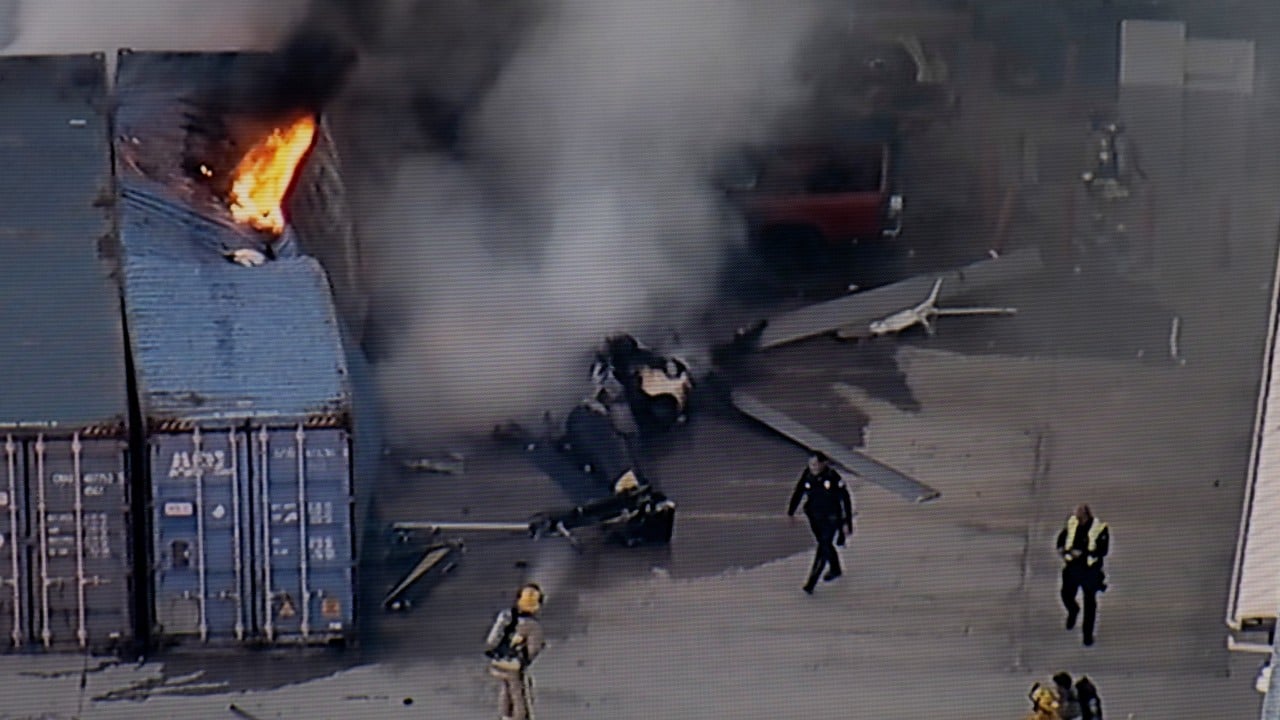
When a local news helicopter went down in the Chatsworth neighbourhood of Los Angeles, it shattered the routine rhythm of Southern California broadcasting. NewsChopper4—operated by Angel City Air for NBC4 and Telemundo 52—crashed between two commercial buildings on North Mason Avenue on Tuesday evening. The aircraft was tracking a separate horrific collision involving an SUV and a Metro bus that had occurred two hours earlier.
Instead of just reporting on one disaster, the city woke up to a double tragedy. Pilot George Marciniw and reporter Eliana Moreno lost their lives in the wreckage alongside Edy Guitierrez Mejia, a pedestrian on the ground. Another individual was rushed to a local hospital as more than seventy firefighters battled the intense fire.
If you live in Southern California, you take aerial news reporting for granted. Choppers are as common in the local sky as palm trees. They buzz overhead for every major freeway chase, brush fire, and transit incident. Tuesday's crash changes that conversation permanently.
The High Cost of Live Aerial Coverage
Los Angeles is the undisputed capital of airborne journalism. Broadcasters maintain dedicated aircraft precisely because traffic snarls and sprawling geography demand eye-in-the-sky perspectives. Yet this appetite for live, visual storytelling carries a steep, undeniable risk.
When multiple news outlets scramble aircraft to cover the same breaking event, airspace gets crowded fast. Helicopters hover in tight patterns, jockeying for the best camera angle while battling local wind patterns and urban obstacles.
According to reports from the Los Angeles Fire Department, the aircraft went down around 7 p.m. in a commercial parking area, sparking flames that engulfed nearby vehicles and storage containers. Broadcaster Colleen Williams delivered the heartbreaking confirmation on air, telling viewers that the station had lost contact with its crew. The Federal Aviation Administration and the National Transportation Safety Board launched immediate investigations to determine what went wrong in those final seconds.
Turning the Lens Inward
Local newsrooms face a brutal reckoning now. For years, the race for ratings has pushed assignment editors to deploy choppers at the first sign of trouble. The pressure to deliver immediate, high-definition aerial footage creates an environment where safety margins are tested daily.
When you watch a live broadcast of a highway pileup, you rarely think about the pilot holding a cyclic stick or the reporter managing camera angles while scanning the horizon for other traffic. You just see the red taillights and the flashing ambulance beacons.
Tuesday's accident forces station executives to reevaluate whether the reward of live helicopter video justifies the risk to flight crews and people on the ground. Automated drones and high-resolution traffic cameras offer safer alternatives, though they lack the dynamic mobility of a piloted ship.
Elected officials including Los Angeles Mayor Karen Bass and California Governor Gavin Newsom expressed deep grief over the loss. But condolences won't fix systemic pressures in local media. Real change requires news directors to prioritize crew safety over exclusive aerial shots.
The skies over Los Angeles will stay busy, but they won't look the same. The next time a breaking news alert pops on your phone, remember the true cost of bringing that story to your screen.