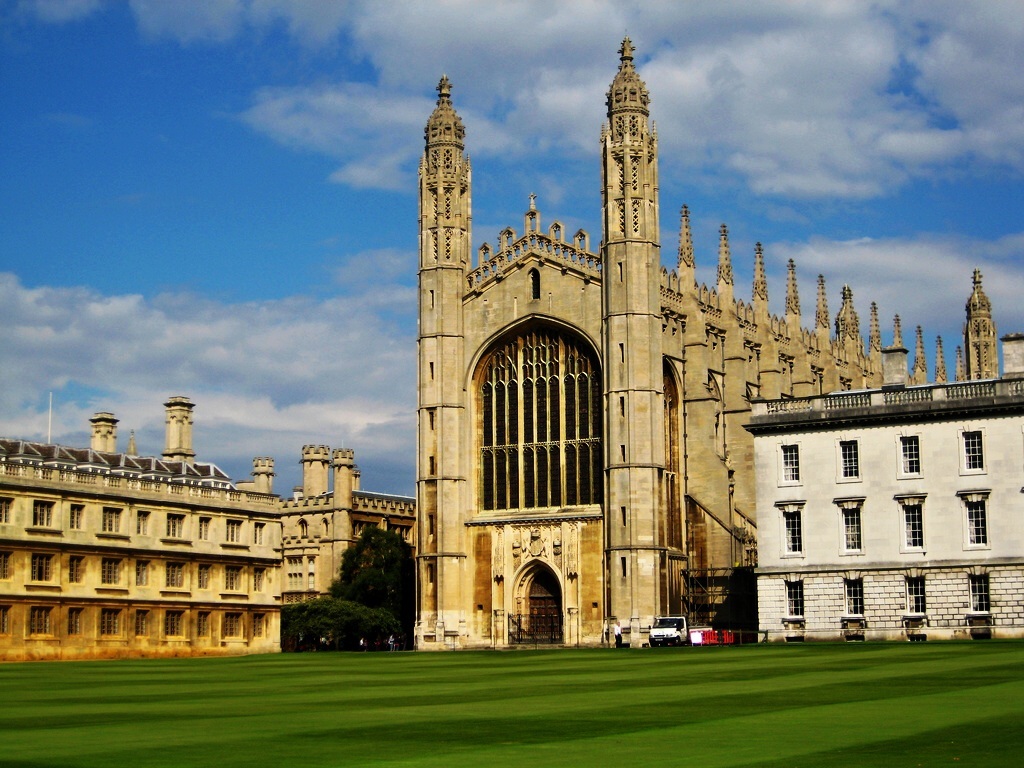
University vice-chancellors thought a charm offensive would work. They spent months meeting with populist politicians, opening doors, and trying to prove that campuses are engines of local economic growth rather than ideological battlegrounds.
It hasn't worked.
If you look at how the higher education sector miscalculated Reform UK, you see a classic mismatch between academic bureaucracy and populist political strategy. The charm offensive crashed against a wall of hardline rhetoric. Figures like Suella Braverman haven't softened their stance, instead labeling parts of the sector a "great university scam" and targeting low-value degrees.
Let's break down why campus leadership failed to shift political attitudes and what this means for British universities facing severe financial pressures.
The Flawed Strategy of Campus Lobbying
For years, groups like Universities UK tried to frame higher education as an aligned interest with the populist right. They argued that economic expansion, regional innovation, and skills training should bring everyone to the same table.
That approach ignored what populist voters actually care about.
Reform's political positioning relies heavily on challenging institutional orthodoxy. When higher education executives show up with glossy reports about economic impact, they run straight into voter skepticism about degree value, bloated administrative costs, and immigration numbers.
To make matters worse, this outreach alienated internal campus stakeholders. Trade unions like the University and College Union openly criticized administrators for trying to cozy up to a party that views the sector with deep suspicion. Vice-chancellors ended up caught in a squeeze. They angered their own academic staff while failing to secure any meaningful policy concessions from political targets.
What Politicians and Voters See Instead of Economic Impact
When university executives talk about contributing billions to the UK economy, they think in macro terms. They see research breakthroughs, export income, and local jobs.
Voters and populist politicians see something entirely different. They see high-priced degrees that take years to pay off, empty promises of social mobility, and international student enrolment numbers that look less like education and more like immigration management.
When prominent figures label certain institutions as "visa factories," it resonates with a public tired of broken public services and inflated housing markets near campus towns. Academic leaders can publish all the data they want, but if the public perceives that the system rewards bureaucracy over actual graduate outcomes, the messaging falls flat.
The Brutal Financial Reality Behind the Lobbying Push
Why were vice-chancellors so desperate to win over Reform in the first place? Desperation.
Domestic undergraduate tuition fees remained frozen for years, eroding institutional budgets. Campuses became structurally reliant on international student fees to cross-subsidize domestic teaching and research. When political rhetoric starts threatening international enrolment caps or visa routes, the underlying financial model shakes violently.
Institutions are already cutting staff, dropping humanities departments, and scaling back regional campuses to survive. Facing a landscape where nearly three-quarters of higher education providers could operate at a loss, university leaders gambled that political lobbying could insulate them from sweeping policy changes.
That gamble failed.
Where Higher Education Goes From Here
Ignoring political shifts is no longer an option, but repeating failed public relations exercises will only waste precious time.
If you run an institution or study the sector, the path forward requires facing uncomfortable truths:
- Stop pretending PR campaigns can paper over fundamental structural flaws in student funding.
- Realign programs directly with actual employment outcomes rather than relying on historical prestige.
- Acknowledge that public trust must be rebuilt from the ground up, starting with transparent financial management.
Universities cannot lobby their way out of a crisis built on broken funding models and a skeptical public. The charm offensive is over.


