Icelanders are heading to the ballot boxes to answer a single, heavy question: should the island nation restart accession negotiations with the European Union?
If you think this is just standard European bureaucratic shuffling, think again. This vote touches raw nerves about national sovereignty, control over Arctic waters, and how a nation of just 400,000 people navigates a chaotic global economy. Prime Minister Kristrún Frostadóttir’s centre-left coalition pushed this referendum forward to settle a debate that has simmered ever since Reykjavik froze its original 2009 application back in 2013.
Let us look past the surface headlines. Here is what is actually driving this high-stakes political moment.
The Core Conflict: Sovereignty Versus Security
The arguments splitting the country right now are sharp and deeply rooted in Iceland’s history.
Proponents of restarting talks argue that Iceland already abides by a massive chunk of EU legislation through the European Economic Area agreement. They point out an obvious frustration: Iceland follows the rules of the single market but sits outside the room where those rules are written. Supporters also look at economic instability, currency pressures, and the potential safety net of the euro.
Opponents fire back with a fierce defense of national independence. Having gained full independence from Denmark as recently as 1944, Icelanders are hyper-protective of their self-determination. The primary flashpoint is fishing. Iceland's rich marine resources are the lifeblood of its economy, and locals refuse to share management or quotas with Brussels under the EU's Common Fisheries Policy.
Why Now? The Geopolitical Pressure Cooker
This vote isn't happening in a vacuum. A few major catalysts dragged the EU debate out of political hibernation.
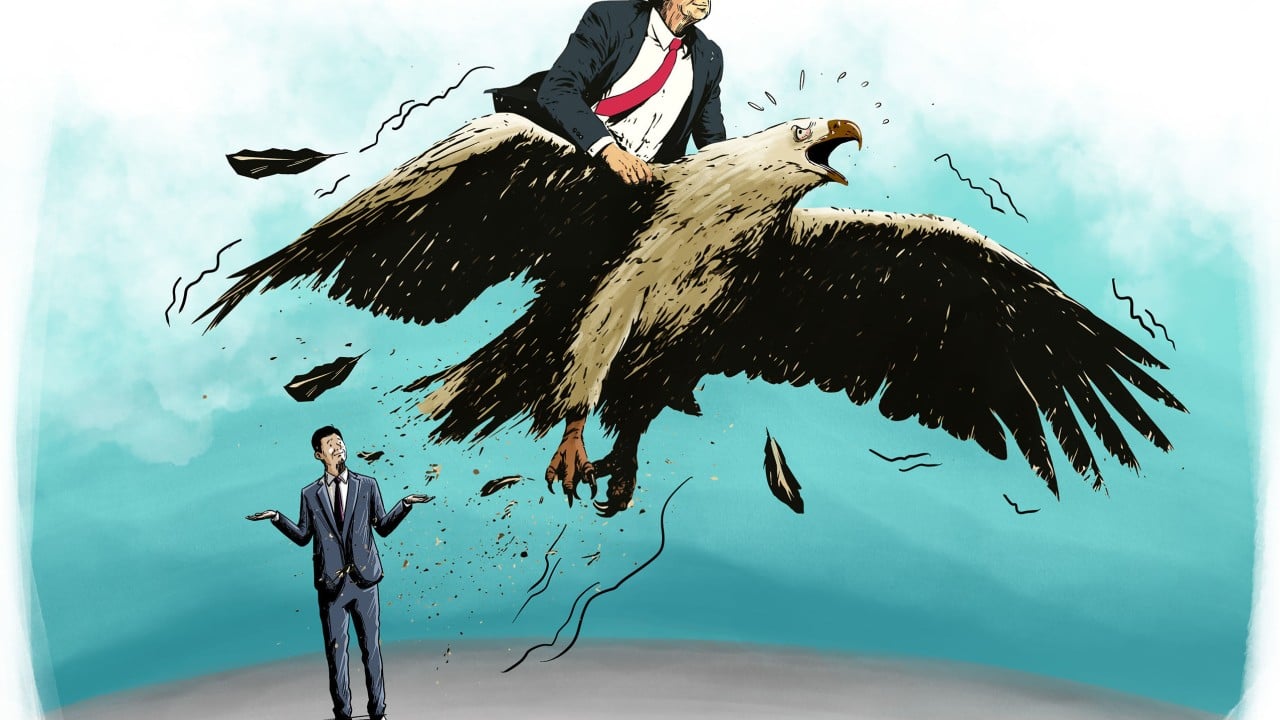
Global tensions in the Arctic are boiling over. Traditional alliances face daily friction, and smaller states are feeling exposed. Furthermore, recent trade policy shifts from Washington, including aggressive tariff adjustments hitting Icelandic goods, combined with erratic geopolitical posturing regarding Greenland, left Nordic nations rattled. Iceland relies heavily on reliable trade partnerships and NATO for defense, though it famously maintains no standing army. When the international landscape gets rocky, closer integration with European partners starts looking like an insurance policy.
What Happens After the Ballots Are Counted
If the "yes" camp wins, do not expect Iceland to join the EU tomorrow.
A victory simply means reopening the door to frozen accession talks. That negotiation process is notoriously grueling, technical, and prone to dragging on for years. Every single chapter of EU law must be meticulously reviewed, and fisheries will undoubtedly turn into a brutal battleground during talks. Even if a final accession treaty is eventually hammered out, it would still require a second, separate referendum before Iceland officially signs on the dotted line.
Right now, opinion polls show a razor-thin margin separating the two sides. No matter the final tally, this referendum forces Iceland to confront its place in a changing world—balancing the fierce pride of absolute independence against the cold comfort of collective security.