Multilateral diplomacy often resembles a high-stakes parlor game, where the rules shift depending on who holds the gavel. At the United Nations General Assembly, Turkey recently found itself at the receiving end of a diplomatic tongue-lashing from New Delhi. The core issue isn't just a routine procedural vote. It exposes a deeper rot in how major international bodies draft resolutions behind closed doors, shutting out targeted states while pushing partisan agendas.
If you've been watching how international forums operate, you know that transparency is usually the first casualty when a member state wants to sneak a contentious text through the committee rooms. Turkey served as the facilitator for a draft resolution concerning cooperation between the United Nations and the Organisation of Islamic Cooperation (OIC). Iraq introduced the text, but the real mechanical work of gathering consensus was steered by Ankara.
The catch? Key nations—including India—were deliberately and systematically locked out of the consultation process.
Exposing the Closed-Door Playbook
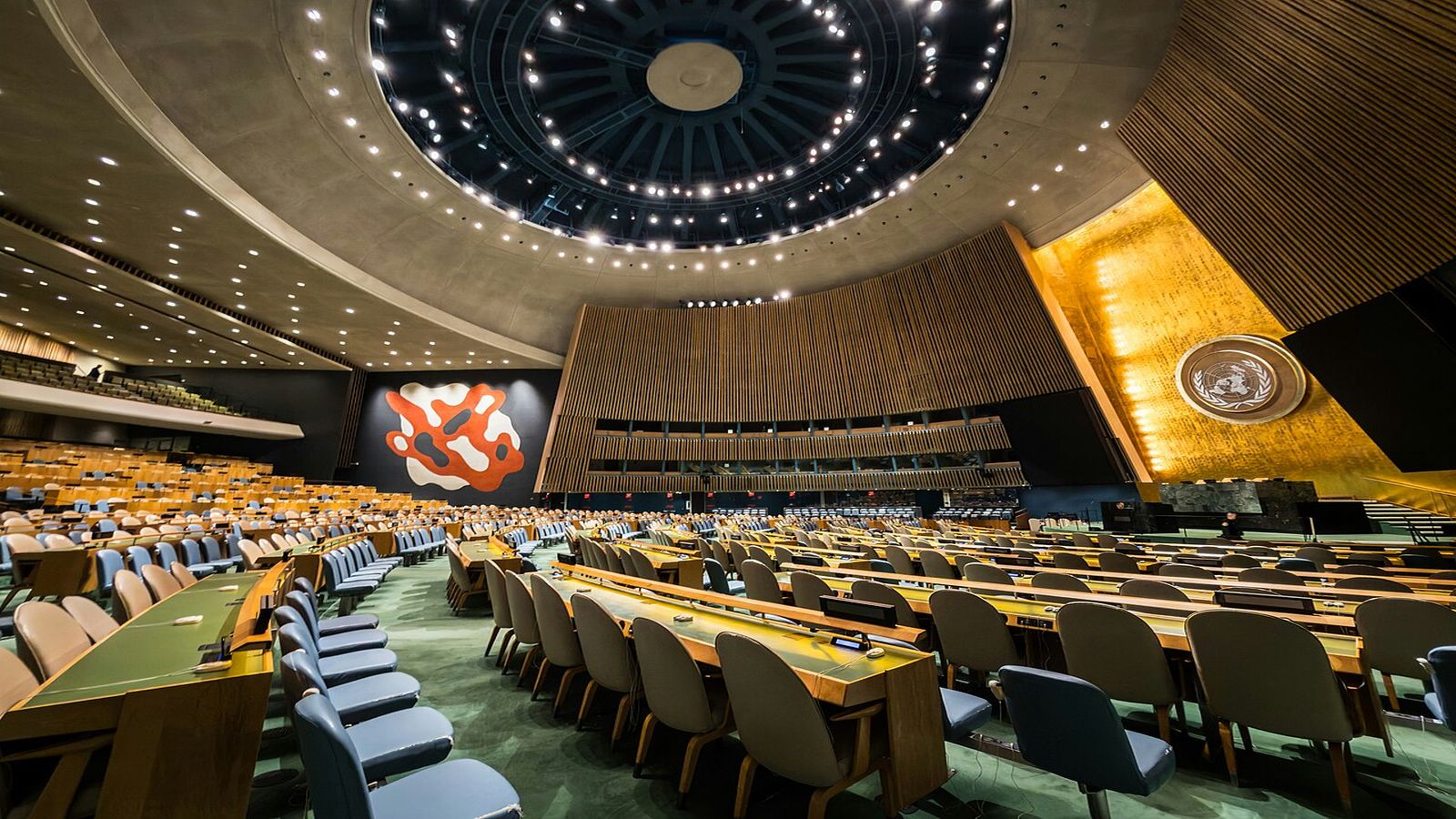
When the UN General Assembly finally brought the draft to a vote, it passed with 112 votes in favor, six against, and 39 abstentions. But numbers on a scoreboard hide the procedural malpractice that preceded the tally. India's Deputy Permanent Representative to the UN, Ambassador Yojna Patel, didn't mince words when delivering the country's explanation of vote. She called out the exclusion as "blatant and intentional," pointing out that the architects of the resolution tried to hoodwink the floor into believing this was nothing more than a routine, technical update.
It wasn't technical. It was political exclusion by design.
New Delhi wasn't alone in crying foul. Armenia, Cyprus, Greece, Israel, and the United States joined India in voting against the resolution. Representatives from Greece and Cyprus echoed similar frustrations, highlighting that negotiations under Turkish facilitation completely ignored good-faith amendments and feedback submitted by member states. Revised drafts were thrown onto the table with zero warning and zero opportunity for meaningful debate.
The Real Target Behind the OIC Text
Why go through the trouble of rigging a procedural draft? Because international platforms are frequently hijacked for regional score-settling.
India's pushback wasn't just about hurt feelings over missing an invitation to a drafting room. New Delhi laid bare a persistent structural flaw: the OIC continues to allow itself to be weaponized by a single member state—a thinly veiled reference to Pakistan—to target India with false and baseless allegations. Instead of focusing on genuine inter-organizational cooperation, the platform gets dragged into bilateral grievances, turning UN resolutions into vehicle proxy attacks.
By freezing out states that would naturally object to biased language, the facilitators hoped to glide the text past the assembly unchallenged. That strategy backfired. India demanded that the UN General Assembly leadership look into these exclusionary working methods to ensure they don't become the accepted norm for future multilateral texts.
Why This Vote Signals a Shift in Global Posture
For years, target states often absorbed these procedural slights with quiet diplomatic protests, issuing standard, easily forgotten statements of regret. That era is over. India's decision to actively vote down the resolution and publicly dismantle the credibility of the drafting process marks a sharp hardening of its stance.
When international bodies lose their neutrality, the cost of staying silent is higher than the friction of calling out the bad actors. Turkey's attempt to engineer a consensus in the dark exposed the fragility of modern UN committee work. If a facilitator can simply lock the doors, write whatever text suits its regional allies, and label it a "technical update," the entire architecture of multilateral diplomacy loses its legitimacy.
The 112 votes in favor show that numbers still favor routine text adoption, but the growing bloc of opposing and abstaining countries proves that backroom maneuvering no longer goes unnoticed. Transparency isn't a courtesy in global governance. It's the baseline requirement for survival.