Putting ancient manuscripts, shared trade trails, and cultural performances inside a bloc known for security and energy talks sounds like a sharp pivot. Honestly, it is.
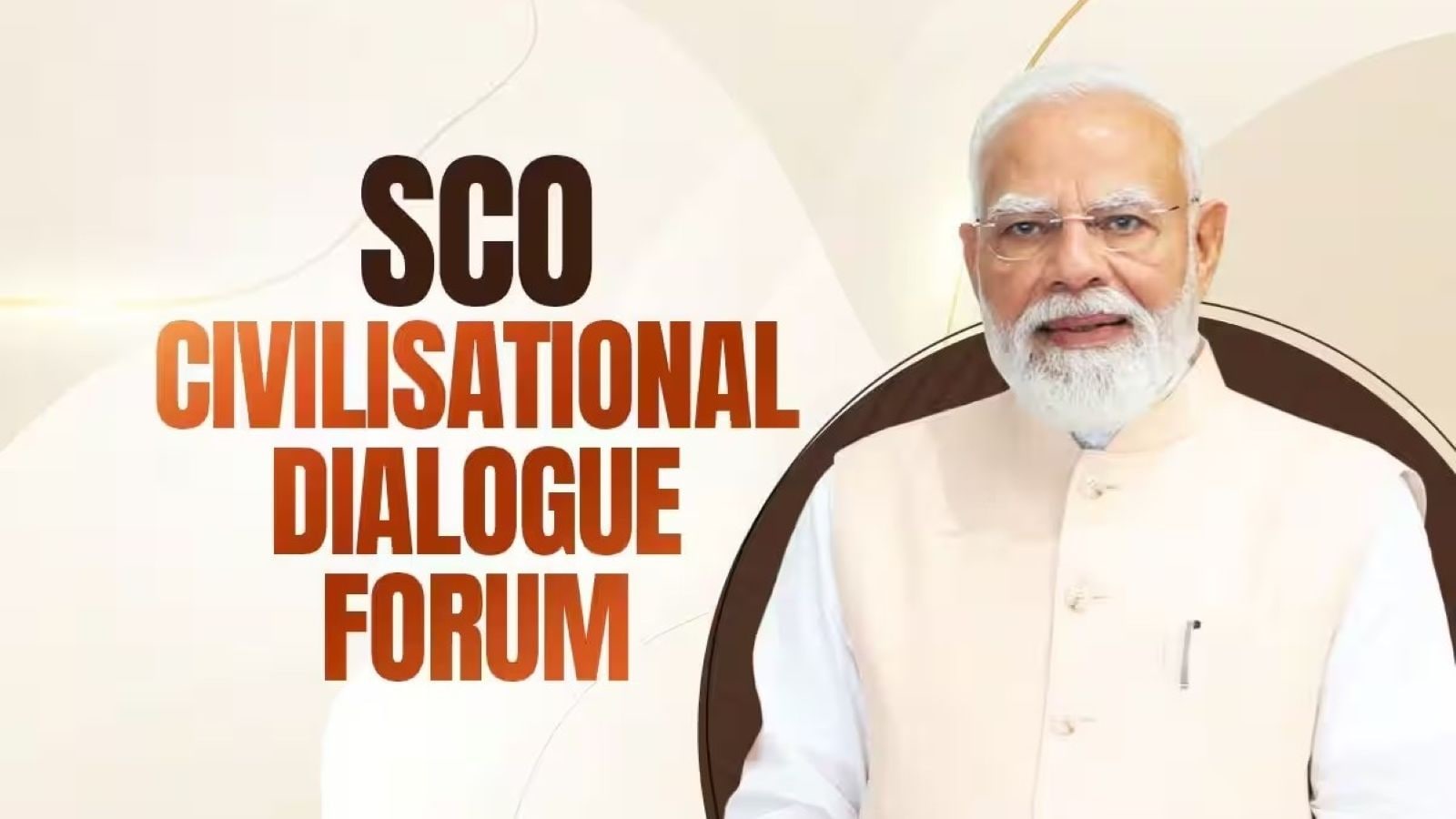
India hosts the first SCO Civilisational Dialogue Forum in New Delhi from November 20 to 22, 2026, at the historic Purana Qila. Prime Minister Narendra Modi inaugurates the three-day gathering and addresses the opening session, building on his earlier proposal at the 2025 SCO Summit in Tianjin and the subsequent Bishkek Declaration.
If you only watch defense ministries and border headlines, you might assume this is just soft-power window dressing. That misses the real point. A civilisational track lets member states talk about shared history across Eurasia—music, textiles, food, architecture, scripts, and monastic trails—without getting stuck on every daily geopolitical friction.
What’s Actually on the Agenda in Delhi
This isn't a dry policy summit where delegates read speeches behind nameplates all morning. The schedule mixes visual storytelling, museum-grade exhibitions, and academic panels across three days.
Opening night centers on Civilisations in Conversation – Cultural Show, blending music, dance, visual storytelling, and narration around the theme Vasudhaiva Kutumbakam – The World Is One Family. The framing points straight to how India wants Eurasian cultural connections read: old links that predate modern borders.
Two major heritage displays anchor the cultural side at Purana Qila:
- ASTITVA – The Essence of Our Existence: A look at Delhi's layered past through archaeological evidence spanning 1200 BCE to 1200 CE, featuring excavated remains, artefacts, and architectural fragments.
- Mahabharat Scroll Pavilion – Anant: A Rare 18th Century Mahabharata Scroll: A showcase highlighting an illustrated scroll tied to India's epic and artistic traditions.
On November 21 and 22, scholars, academics, subject experts, and cultural representatives move into four thematic sessions. One track focuses on living expressions like music, performing arts, textiles, cuisine, and traditional games. Another examines art and architecture. A third digs into language, literature, scripts, and manuscripts, while the fourth explores monastic trails and philosophical traditions.
From a practical angle, putting Purana Qila at the center of this program is a smart choice. The fort complex itself embodies centuries of settlement and power shifts in Delhi, so the venue reinforces the archaeological theme without needing extra explanation. For security and logistics, the monument was closed to general visitors through November 22.
Who Is Attending and Why Delegations Draw Scrutiny
The Shanghai Cooperation Organisation brings together ten member states: India, China, Russia, Kazakhstan, Kyrgyzstan, Tajikistan, Uzbekistan, Iran, and Belarus, alongside Pakistan. Reported confirmations for the forum include delegations from countries such as China, Pakistan, Kazakhstan, Iran, Tajikistan, and Uzbekistan, alongside scholars and cultural representatives.
Whenever a multilateral meeting in Delhi includes Pakistan, domestic political noise follows fast. Pakistan's delegation arrived led by Federal Minister for Climate Change and Environmental Coordination Musadik Masood Malik—marking the first visit by a Pakistani minister to India in three years. Speaking on arrival, Malik remarked that cultures and civilisations cut across boundaries, while opposition figures in India criticized the visit over cross-border terrorism concerns.
The Ministry of External Affairs framed the gathering clearly as a multilateral event within the SCO framework, with invitations extended to all SCO members. That distinction matters. Attending a multilateral cultural forum under an existing regional bloc is not the same thing as a bilateral diplomatic breakthrough, even when media cameras treat every ministerial arrival like a thaw.
What Most People Get Wrong About SCO Cultural Diplomacy
People tend to view the SCO through two extremes. One camp treats it as a rigid military or anti-Western counterweight. The other dismisses cultural events as harmless fluff with zero strategic weight.
Neither view holds up well in practice.
First, regional blocs survive over decades when they build non-security habits. Trade routes and security pacts shift with budgets and leadership changes, whereas shared literary scripts, architectural motifs, and pilgrimage or monastic routes give historians and citizens common reference points. Union Culture Minister Gajendra Singh Shekhawat noted ahead of the forum that India wants the grouping to look beyond geopolitical and economic equations toward shared civilisational heritage and harmony between peoples.
Second, cultural heritage isn't a magic wand that erases hard disputes. You can study shared textiles or ancient trade paths across Central and South Asia and still disagree sharply on security or border policy. Pretending culture solves geopolitics is naive. Treating culture as irrelevant is equally short-sighted.
In my experience following regional summits, the real value of a first-time forum like this isn't immediate policy resolution. It is institutional memory. If the SCO keeps this dialogue going beyond its inaugural edition, researchers, museums, and cultural institutions gain a recurring venue to compare notes. If it turns into a one-off spectacle, people will forget the panels within months.
How to Track Whether This Forum Has Real Legs
If you are following South Asian or Eurasian affairs, don't judge this event by opening-day speeches alone. Look at what comes next over the coming year.
- Watch for follow-up mechanisms: Check whether the SCO formalizes working groups, academic exchanges, or museum collaborations out of the four thematic tracks.
- Read primary statements alongside commentary: Compare official releases from the Prime Minister's Office and Ministry of External Affairs with independent reporting so political spin doesn't blur what actually happened on the ground.
- Follow heritage and research output: Look for joint publications, manuscript digitization efforts, or scholarly exchanges on Central and South Asian history rather than assuming every headline signals a shift in bilateral ties.