Cheaper gas at the pump feels like relief. It isn't the end of inflation.
Even as gasoline prices have cooled from their autumn spikes, overall price pressures across the U.S. economy remain stubbornly elevated. In October 2026, the Personal Consumption Expenditures price index rose 3.8% over the prior year, while core PCE—which strips out volatile food and energy prices—accelerated to 3.3% from 3.1% in September, according to data reported by the U.S. Bureau of Economic Analysis and covered by outlets including The Associated Press and Fox Business. That puts inflation well above the Federal Reserve's 2% target and leaves policymakers staring down a messy December decision.
I've watched plenty of borrowers celebrate a dip at the gas station and assume interest rates will follow. Honestly, that's usually where people get caught off guard. Pump prices swing fast, while service costs, tariffs, and household demand move on a much slower, heavier track.
Why falling gas prices don't fix inflation
Gasoline grabs headlines because drivers see the price board every week. After surging sharply in September following geopolitical oil disruptions earlier in 2026, fuel costs eased back in October and into mid-November. Yet cheaper gas alone doesn't pull broad inflation down to 2%.
A few forces keep price growth alive under the hood:
- Core pressures are moving up, not down: Core PCE ticked up to 3.3% year over year in October, showing that price increases extend well beyond energy and groceries.
- Fuel shocks leave second-round ripples: Research from economists at the Federal Reserve Bank of Dallas notes that sharp fuel swings—especially across distillate fuels like diesel, jet fuel, and heating oil—can seep into broader goods and transport costs over time.
- Groceries and services still pinch: Food prices rose 0.4% from September to October, marking the biggest monthly jump since April, while services inflation has stayed sticky around 3.6% annually.
- Tariffs add fresh friction: New and threatened tariffs on major trading partners keep import costs and business pricing power in play heading into 2027.
When people ask if lower gas means inflation is beaten, the honest answer is no. Gas is one piece of a much larger basket, and right now the rest of that basket isn't cooling fast enough.
A booming economy makes the Fed's job harder
If inflation were cooling alongside slowing growth, the Federal Reserve would have room to breathe. Instead, the economy is running hot.
Third-quarter gross domestic product growth was revised up to a 4.3% annualized pace, the fastest expansion in three years. Layoffs remain low by historical standards, with initial jobless claims dropping by 13,000 to 189,000. Personal income rose 0.7% in October before inflation adjustment, giving households cash to keep spending.
As Capital Economics economist Bradley Saunders noted in wire reporting this week, strong growth alongside persistent inflation signals that interest rates haven't yet done enough to cool demand. With the federal funds target range sitting at 3.75% to 4.00% after the Fed held steady in late October, markets and economists widely expect another rate increase at the December 8–9 Federal Open Market Committee meeting—and some officials have openly weighed whether larger or faster moves are needed.
The split screen in consumer spending
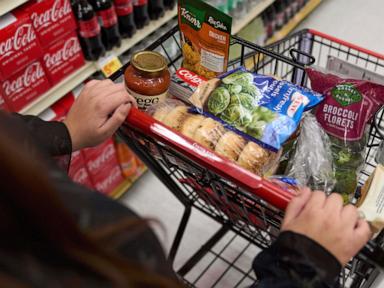
Look closely at who is driving that spending, because the aggregate numbers hide a real divide. Higher-income households—helped by stock market gains earlier in the year—have carried much of the momentum. Lower-income households have faced tougher math, leaning more on credit and stretching budgets as essentials stay expensive.
At the same time, stock market volatility—including sharp pullbacks in major indexes and tech stocks tied to heavy artificial intelligence spending—adds a complicating twist. A sustained drop in equities can cool wealth-driven spending on its own, which is why Fed officials have to weigh inflation risks against growth and employment without flying blind.
Common mistakes borrowers make when inflation stays sticky
When rates are near the 3.75%–4.00% zone and another hike is on the table, small timing mistakes get expensive fast. Here's what I see people get wrong most often:
- Waiting on a single cool month: One softer fuel reading doesn't force the Fed to pivot dovish. Policy follows trends in core inflation, wages, and jobless claims, not one isolated dip.
- Carrying variable high-APR debt: Credit card balances are usually the first place households feel higher short-term rates bite. Carrying a balance while hoping rates drop soon is a costly bet.
- Ignoring cash yield vs. borrowing cost: Savings yields look nicer than they did years ago, yet borrowing rates on cards and auto loans still sit well above them. Paying down high-cost debt almost always beats chasing modest deposit yields.
Where to go from here if you're planning around higher rates
Don't try to outguess every FOMC headline. Focus on the parts of your balance sheet you actually control before the December 8–9 meeting and into 2027.
- Audit variable-rate debt this week. List every credit card, HELOC, or floating-rate loan with its current APR, and put extra cash toward the highest-rate balance first.
- Lock in fixed terms where they make sense. If you're financing a car or refinancing fixed debt, compare locked monthly payments against your budget rather than banking on quick rate cuts.
- Build a practical cash buffer. Keep three to six months of essential expenses in liquid savings so a surprise bill or market swing doesn't force you onto high-interest credit.
- Watch core inflation and jobless claims, not just gas. Track monthly core PCE, wage growth, and weekly unemployment claims alongside the Fed's December statement to see whether rate hikes are actually slowing demand.