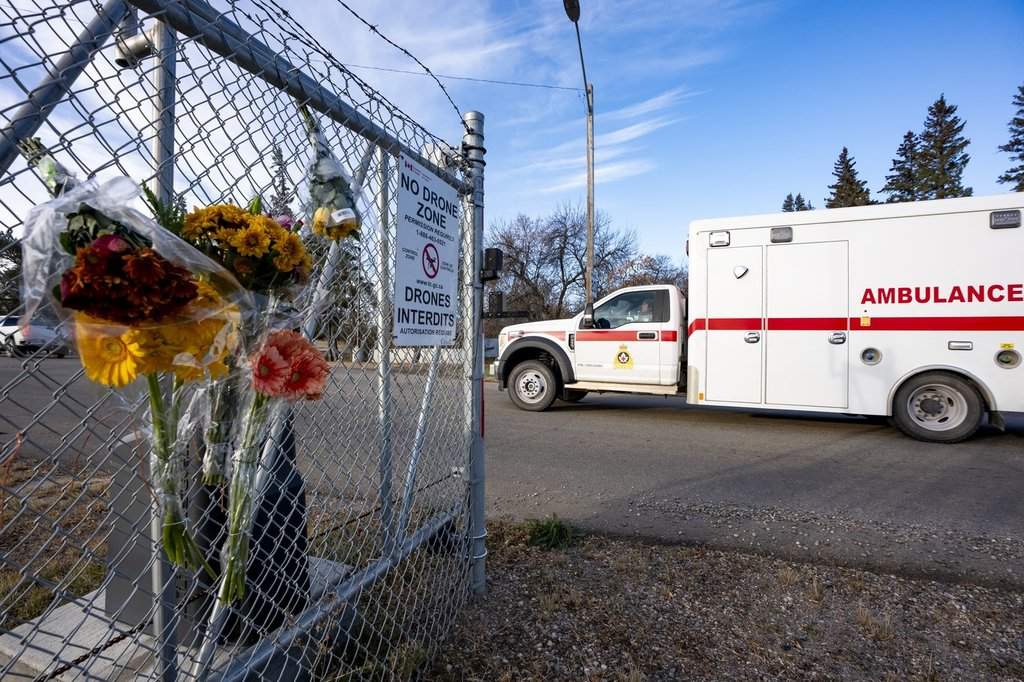
Weeks after a devastating tragedy tore through a training exercise at CFB Wainwright, the human toll is still unfolding inside hospital wards across Alberta. While headlines initially tracked the immediate chaos of mass casualty protocols, the reality facing the remaining survivors is a grueling medical marathon.
Fifteen Canadian soldiers remain on mechanical ventilators, battling severe smoke inhalation and catastrophic injuries. Nine individuals are still listed in critical condition, fighting for their lives as medical teams manage complex trauma.
The Brutal Reality of Burn and Smoke Trauma
Severe burn care isn't quick. It's a relentless daily battle against infection, organ failure, and systemic shock. According to healthcare updates from Acute Care Alberta, the injury profiles of the hospitalized personnel are severe.
Data released regarding the victims reveals the immense scale of the physical damage:
- Four patients are dealing with burns covering 51 to 60 per cent of their bodies.
- Three personnel face burns across 41 to 50 per cent of their skin.
- Seven soldiers have burns spanning 30 to 40 per cent.
- The rest sustain burns under 30 per cent.
Even as some patients stabilize, ventilators remain necessary. Smoke inhalation causes profound pulmonary damage that takes months to heal. Doctors emphasize that a stable general condition doesn't mean a patient is out of the woods. Respiratory support is critical to maintaining oxygenation while raw tissue heals.
The Long Road Ahead for Families and Medical Staff
While 14 survivors have thankfully been discharged, 25 military personnel remain hospitalized. Four of those have been transferred to medical facilities closer to their home provinces, easing the logistical burden on families who relocated to Alberta on short notice.
Dr. Sayeh Zielke, interim CEO of Acute Care Alberta, didn't sugarcoat the timeline. She noted that medical teams expect to provide intensive care through December, January, and well beyond. The initial sprint of emergency response has morphed into a slow, grinding endurance test for nurses, specialists, and support networks.
The Department of National Defence has pledged ongoing support, including investments into military family resource centres. Yet, questions linger. The military's Board of Inquiry is conducting an official investigation into how a routine training exercise turned fatal. Officials warn that answers won't come fast, with investigations typically taking anywhere from nine to twelve months.
Right now, accountability takes a backseat to survival. The focus remains squarely on the hospital rooms where fifteen soldiers are still breathing with the help of machines, surrounded by professionals committed to seeing them through the darkest fight of their lives.