People love to talk about sanctions like they're magic wands. Slap a heavy ban on a nation's oil sector, watch the tankers disappear from official tracking, and assume the barrels simply vanish from the earth. Honestly, it's a naive way to look at global energy flows.
Iranian crude oil didn't become irrelevant. It just went underground.
If you look at official data from Western institutions, you might get the impression that Iran's energy industry is a ghost town crippled by decades of economic isolation. But that's a mirage. Behind the bureaucratic rhetoric and political posturing, millions of barrels of heavy crude slide out of Persian Gulf ports every single day. They head mostly toward independent refineries in Asia, rebranded, mixed, and absorbed into the global supply chain with quiet efficiency.
The Shadow Fleet Keeping Iranian Oil Alive
You can't talk about modern Iranian oil without looking at the logistics. When traditional Western shipping insurance, flagging, and maritime services became off-limits, the industry adapted. Owners built a massive shadow fleet.
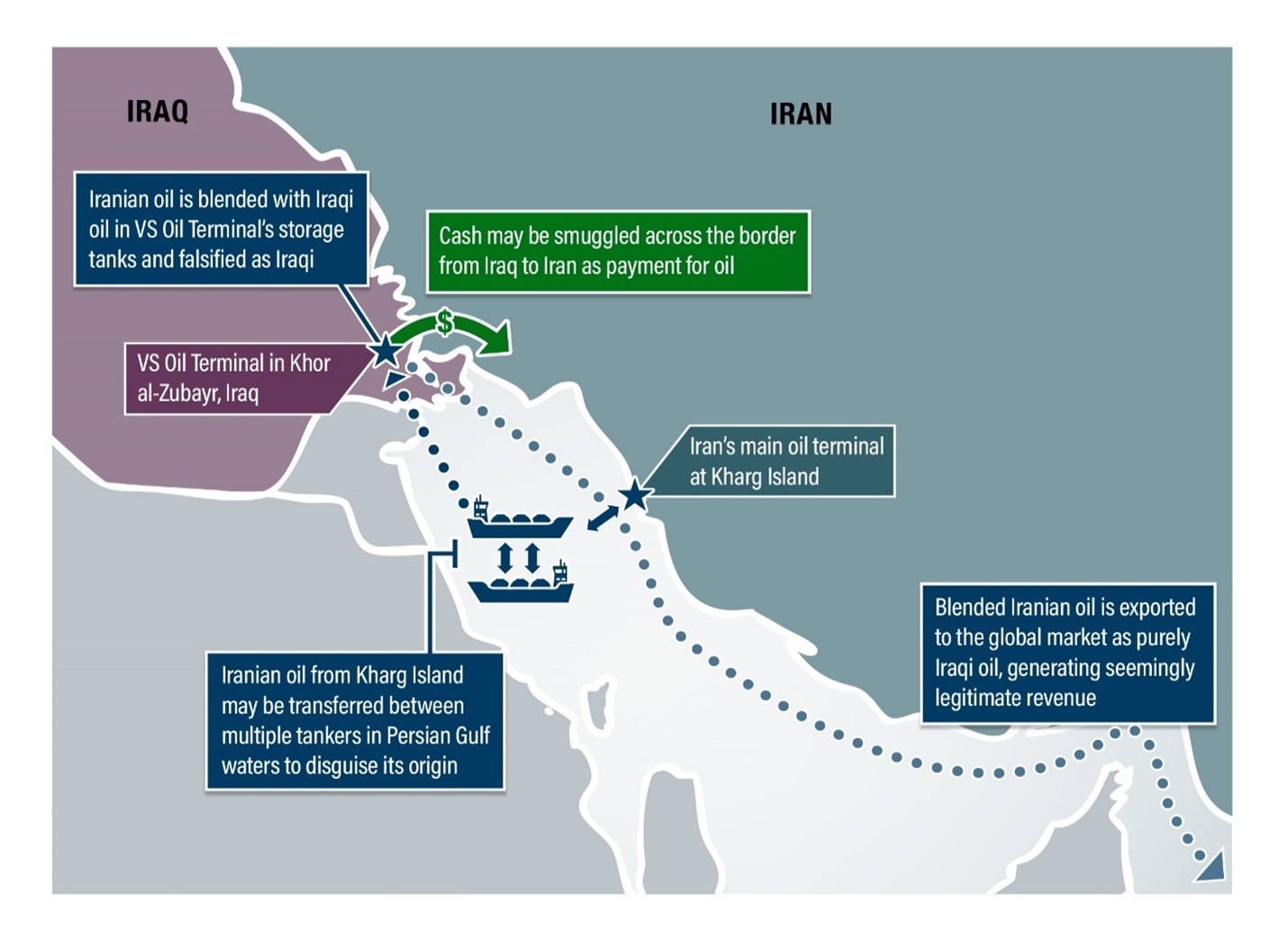
Old tankers that should have been sent to scrap yards years ago got a second life. They swap transponders off the coast of Oman or Southeast Asia, paint over names, and conduct ship-to-ship transfers under the cover of night. It sounds like a spy movie, but it's just Tuesday morning in the international commodities market.
Independent refiners in China, often called "teapot" refiners, soak up the bulk of these discounted barrels. They buy Iranian crude at a steep discount compared to Brent or WTI benchmarks. Why? Because the risk profile requires a margin discount. But for those refiners, the math works out brilliantly. They get cheap feedstock, process it into gasoline and diesel, and lock in higher profit margins than their state-owned competitors who buy official, fully compliant crude.
Why Markets Underestimate Tehran
Traders love clean spreadsheets. They want neat lines connecting official OPEC quotas to official export numbers. When a country operates outside those transparent channels, analysts tend to write it off as a rounding error. That's a costly mistake.
Iran's production capacity hovers around three million barrels per day, with exports consistently pushing past one point five million barrels daily, depending on the month and enforcement intensity. That's not a marginal player. That volume is enough to sway pricing at the margins, especially in a tight market where spare capacity is thin.
Sanctions enforcement shifts like the wind. When political pressure mounts in Washington or Brussels, enforcement tightens for a few weeks. The shadow fleet slows down, storage tanks fill up near Kharg Island, and traders panic about supply shocks. Then, political priorities shift toward keeping global fuel prices stable ahead of elections or economic headwinds. Enforcement relaxes. The tankers slip back out. The market absorbs the barrels without a blip.
The Refined Product Laundering Game
Raw crude is only part of the story. Crude oil rarely stays crude once it moves through complex supply chains.
A significant volume of Iranian hydrocarbons gets blended into other regional streams. Once mixed in blending terminals in the Middle East or Asia, the original molecular fingerprint gets murky. It becomes fuel oil or mixed feedstock. Customs paperwork updates, and suddenly the oil has a different national origin on paper.
This blending mechanism protects buyers from direct compliance blowback while keeping the revenue flowing back to Tehran. It proves that physical commodities always find the path of least resistance. Price dictates flow, not paperwork.
What This Means for Energy Traders
If you are trading energy or watching inflation metrics, ignoring the Iranian variable is dangerous. You cannot model global supply and demand accurately while pretending a multi-million-barrel-per-day producer doesn't exist just because its exports violate trade laws.
When you see unexpected drops in regional refining margins or sudden shifts in Asian import data that don't match official customs declarations, look closer at the shadow barrels. The market is pricing in this underground supply whether analysts admit it publicly or not.
Stop assuming political decrees rewrite physical reality. Energy commodities obey supply and demand first, and laws second. Keep a close eye on tanker tracking data near Southeast Asian transfer hubs if you want to know what is actually happening to global crude availability.