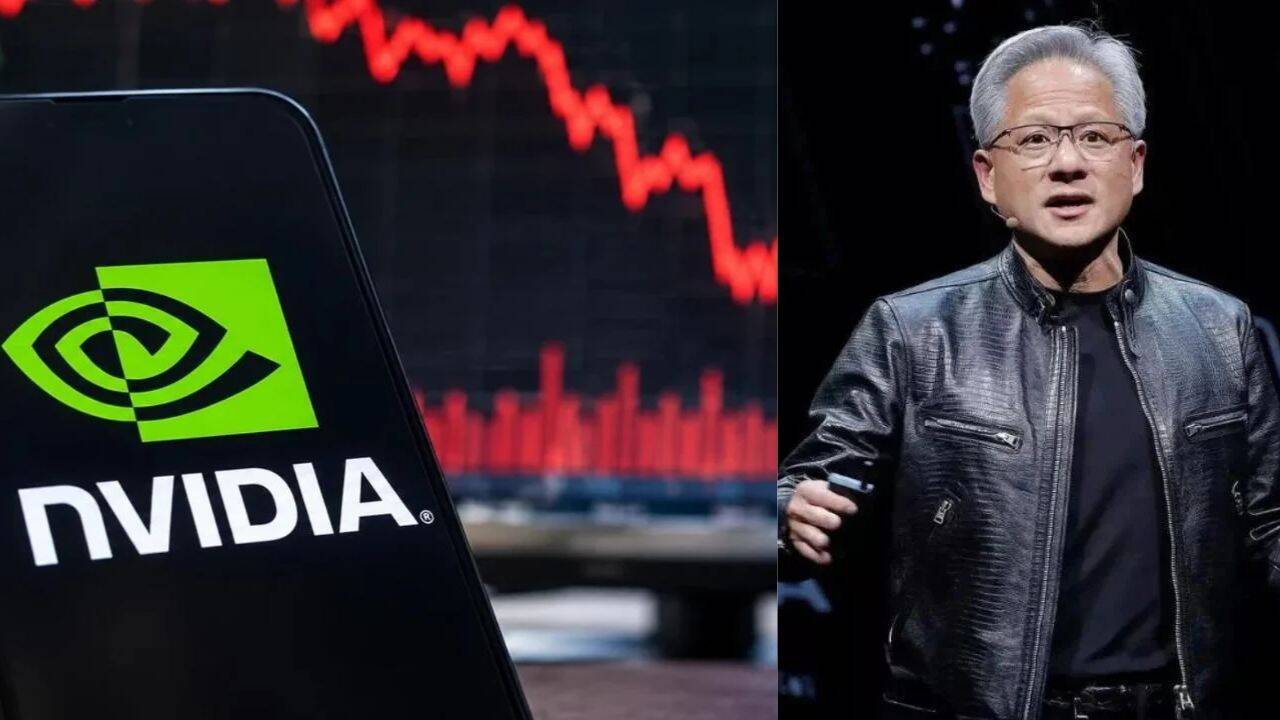
Bringing Jensen Huang back as Nvidia's CEO sparked a massive single-day surge on Monday, November 23, 2026. By Tuesday and Wednesday, Wall Street and Asian markets were sliding again, proving that one founder's comeback isn't enough to quiet deeper worries about the AI trade.
If you watched Nvidia's stock jump more than 30% on Monday after the board unanimously reinstated Huang—just eleven days after his resignation—it looked like an instant cure. Honestly, that bounce felt electric for about twenty-four hours. Then reality crept back in. When a market sell-off is driven by governance questions, interest rates, and doubts about how fast AI profits will catch up to spending, a familiar face in the corner office only buys time.
How a Single-Day Rebound Unraveled So Fast
Markets love a clean hero story. After Huang stepped down on November 12 amid scrutiny over personal affairs and potential national security questions, CFO Colette Kress stepped in as interim CEO while Nvidia's shares slid steeply from their October 6 peak. When the board reversed course on November 23 and put Huang back in charge—backed by input from senior U.S. government officials and public remarks from President Donald Trump—investors piled in.
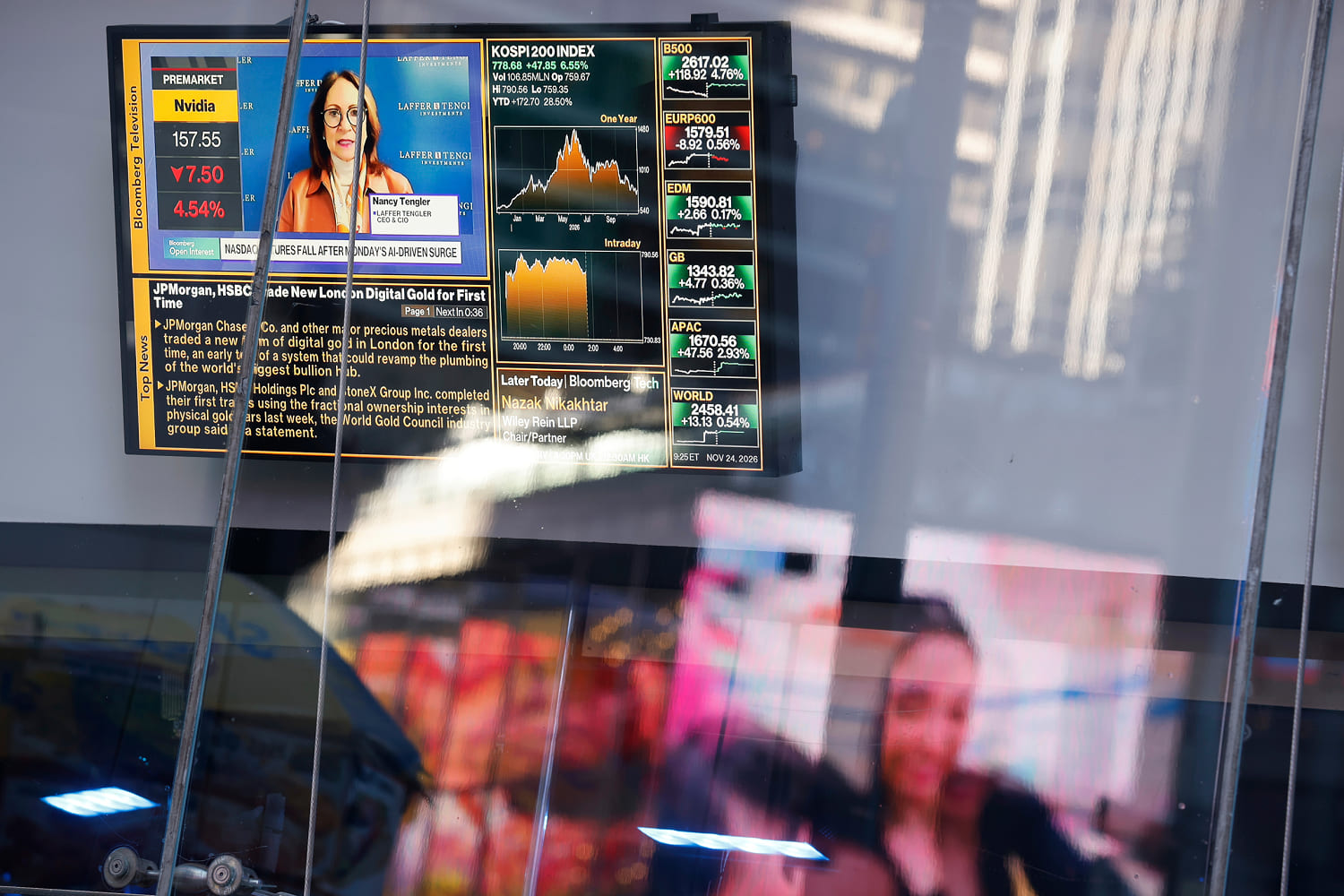
The problem is that relief rallies often run out of gas once traders look past the headline. By Tuesday, November 24, Nvidia shares were already giving back ground, and the sell-off spread across semiconductor peers and Asian tech markets, with South Korea's Kospi plunging 6.2%. On Wednesday, November 25, U.S. tech stocks kept losing steam, with the Nasdaq sliding again as investors weighed what comes next.
In my experience watching tech cycles, traders often confuse a founder comeback with a risk reset. Bringing Huang back answers who is steering the ship, not whether the waters are calm.
Governance Questions Didn't Vanish With the Comeback
Reinstating Huang didn't close the book on oversight. Even with the board creating a National Security and Export Control Oversight Committee on November 17 and starting a search for a new Chief Compliance Officer, an independent investigation is still ongoing. Lawmakers in Washington—including members of both parties—have raised sharp questions about national security implications, China chip exports, and how the reinstatement came together.
Some big institutional voices have also questioned the board's footing. New York City Comptroller Mark Levine, whose office helps oversee public retirement funds holding millions of Nvidia shares, pointed out that the abrupt reversal undercuts the board's standing. And looking at historical research, a study cited by Yahoo Finance from MIT Sloan found that returning CEOs tend to perform worse on average than first-time CEOs. That doesn't mean Huang can't pull it off, just that a rebound rally doesn't erase governance baggage.
Why the AI Sell-Off Goes Way Beyond Nvidia
If Nvidia were the only story, calming founder fears might have settled the market. Instead, the sell-off has been building around three bigger pressures that a CEO announcement can't fix.
- AI spending vs. payoff math: Wall Street isn't necessarily doubting that AI models work. Investors are asking whether massive capital expenditures will generate enough returns fast enough to justify sky-high expectations. Goldman Sachs has estimated that AI spending drove roughly half of S&P 500 earnings growth this year. When growth stocks are priced for perfection, even minor doubts trigger heavy selling.
- Sticky inflation and rate pressure: Higher-than-expected October inflation data has shifted expectations toward a potential Federal Reserve rate hike in December. Higher interest rates hit long-duration growth stocks hardest because future profits are discounted more heavily. Ironically, as Deutsche Bank's Jim Reid noted, keeping the AI boom alive can also complicate the rate picture if policymakers worry about overheating.
- Anthropic's rocky post-IPO stretch: Anthropic arrived on Wall Street last week with a massive debut—pricing shares at $83 and raising tens of billions in a record-sized offering—yet the stock quickly slipped below its IPO price amid broader AI jitters and insider selling disclosures. When a flagship AI listing struggles to hold its issue price right out of the gate, sentiment across the entire sector gets shaky.
A common mistake retail investors make during a sharp pullback is assuming every dip in a hot sector is a guaranteed bargain. Sometimes a dip is a buying opportunity, and sometimes it's the market repricing risk after a long run-up.
What Nvidia's Numbers Actually Show
Here's the weird part that trips people up: Nvidia's core business numbers haven't collapsed. In its third-quarter fiscal 2027 report on November 17, Nvidia posted $115.8 billion in revenue—up 103% year over year and ahead of consensus estimates—and guided fourth-quarter revenue to $130 billion.
Yet strong revenue didn't stop the broader slide, and the stock still fell sharply from its early-October highs. Why? Because markets trade on forward expectations, policy risk, and positioning, not just last quarter's beat. When export controls, investigations, and macro rates collide, good earnings can get drowned out in the short run.
Practical Next Steps When AI Stocks Whiplash
You don't need to panic-sell your entire portfolio over a turbulent week, nor do you need to chase every green candle on a Monday morning. Keep your decisions grounded with a few practical moves.
- Check your single-stock and sector concentration: Look at how much of your portfolio is tied to Nvidia, chipmakers, and AI-adjacent names. If a single sector dictates your mood every time a headline drops, trim or rebalance gradually rather than making an all-or-nothing bet.
- Separate company fundamentals from headline volatility: Compare a business's revenue, cash flow, and customer demand against what you actually paid for the shares. Nvidia's top-line growth has been huge, even while regulatory and political headlines create choppiness.
- Watch upcoming catalysts instead of guessing tops and bottoms: Keep an eye on congressional scrutiny, export-control developments, the ongoing independent investigation, and December's Federal Reserve decision. Use staged entries or cash buffers if you plan to add exposure, rather than going all-in on a single volatile session.
The market doesn't move in a straight line, especially when trillions of dollars in expectations are on the line. Stay disciplined, size your positions for turbulence, and let the facts—not the noise—guide your next trade.
Asian markets fall after Jensen Huang returns to Nvidia
This video report shows how Asian equity markets reacted as doubts over AI persisted following Jensen Huang's return to Nvidia.