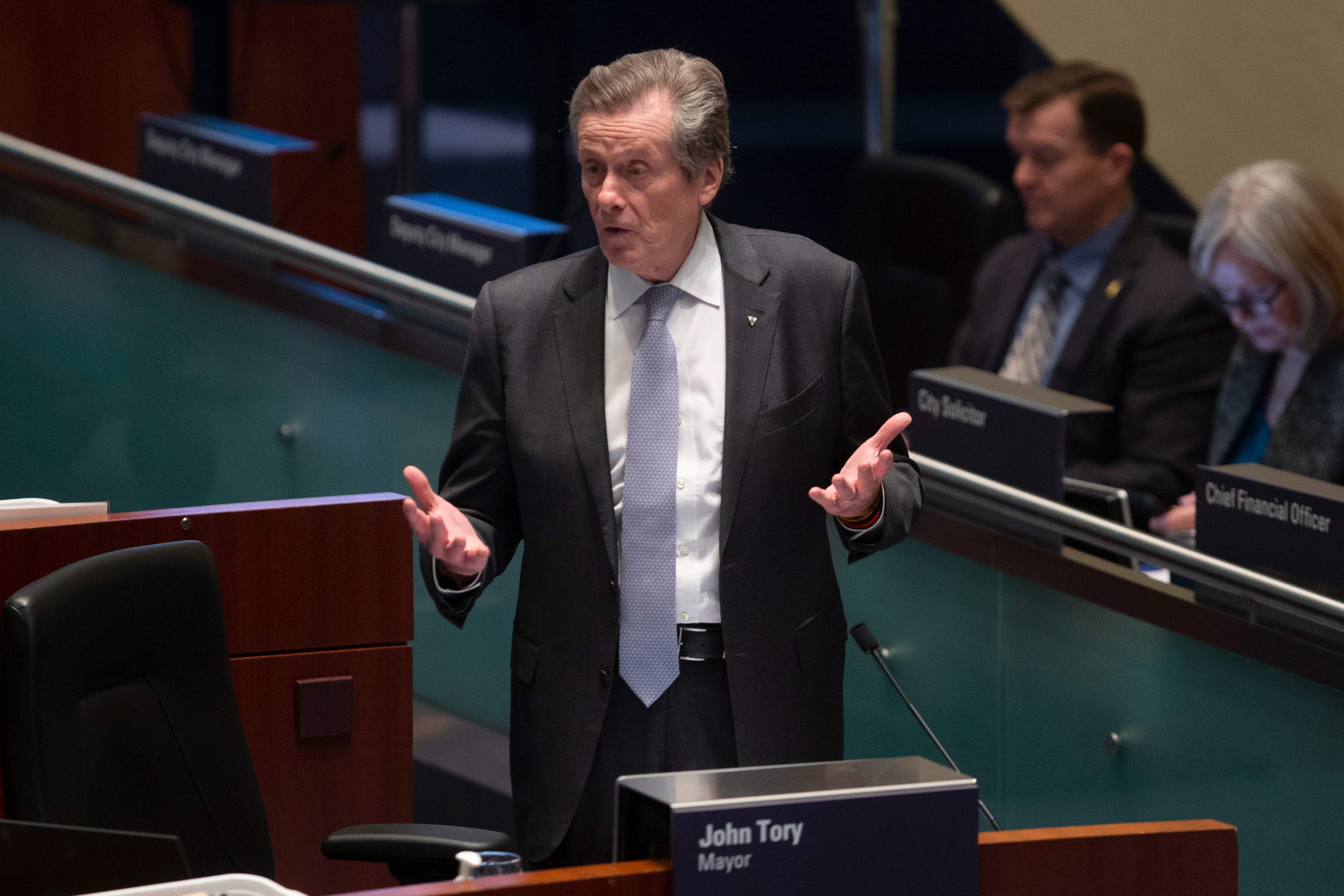
John Tory is done with electoral politics. If you expected a grand political comeback from Toronto's former mayor, stop waiting.
Three years after a sudden resignation upended City Hall, Tory insists he's closed that chapter permanently. He's 72 now. He spends his time chairing the Toronto International Film Festival and leading the board at WoodGreen Foundation, a major social service charity. He gives commentary on television. He does not miss the stress of running Canada's largest municipality, even if he admits to missing the sheer challenge of the job.
Most public figures in his position leave the door cracked open. They drop vague hints about unfinished business or testing the waters down the road. Tory doesn't. He looks back at his abrupt exit in February 2023—triggered by revelations of an inappropriate relationship with a staffer—and calls it the honourable move. He has no regrets about stepping down when he did.
The Reality Of Municipal Finances
Tory hasn't vanished from public conversations, though. He still watches Toronto politics closely. When Olivia Chow secured her re-election victory, Tory was right there on CP24 offering analysis. He knows the office she occupies because he sat in it for over eight years.
He also knows the trap doors waiting in the municipal budget. Chow faces an enormous multi-billion-dollar operating shortfall, made worse by the provincial government's refusal to keep pumping billions into the city's coffers the way it did during the post-pandemic crunch.
Municipalities across Canada rely too heavily on property taxes. It's a broken model. Cities get new downloaded responsibilities from provinces wrapped in nice letters, but no actual money attached. Tory calls this out directly because every mayor deals with the exact same fiscal starvation. You cannot run a growing, world-class city on residential property levies alone. Ottawa and the provinces need to share the load permanently, not through temporary funding bandages.
Looking At The Housing Crisis Objectively
Housing affordability dominates every conversation about Toronto's future, and Tory's mayoral record often takes heat for the current crisis. Rents tripled over three decades, climbing more than forty percent during his tenure alone. Critics point fingers at his administration for moving too slowly on affordable housing development.
Tory pushes back on the idea that any single mayor bears sole responsibility for macroeconomic forces. Rent spikes didn't happen in a vacuum. A toxic mix of soaring construction costs, rising interest rates, decades of underbuilding, and surging immigration pushed the housing market to a breaking point.
Still, progress was made. Programs like the Rapid Housing Initiative brought hundreds of supportive units online. Was it enough? Absolutely not. The gap between housing costs and median incomes widened faster than any municipal policy could counter.
Now, through his work with WoodGreen, Tory tackles that exact crisis from a different angle. WoodGreen manages nearly 1,850 affordable units across almost forty properties, making it a massive non-municipal housing provider in Toronto. Billion-dollar federal housing strategies sound impressive on paper, but Tory points out the operational bottlenecks. Policies often exclude non-profits because they lack the rigid financial guarantees required to access federal cash. If Ottawa wants its housing billions to actually build roofs over heads, policy adjustments must happen to include community agencies on the ground.
Life After City Hall
You might wonder why a man who spent decades in executive suites, boardrooms, and mayoral chambers would pivot to frontline social services. For Tory, the transition feels natural. When he sponsored a Syrian refugee family years ago, WoodGreen handled the settlement process. He saw firsthand how effective a well-run charity can be compared to slow-moving government bureaucracies.
He isn't running for office. He won't be challenging anyone in the next municipal cycle. Instead, he's raising funds, leveraging private sector partnerships, and trying to help scale up non-profit housing capacity.
The era of John Tory as a ballot option is over. Love him or hate his record at City Hall, he has made peace with his exit. He traded the mayor's chair for a boardroom table, and he isn't looking back.