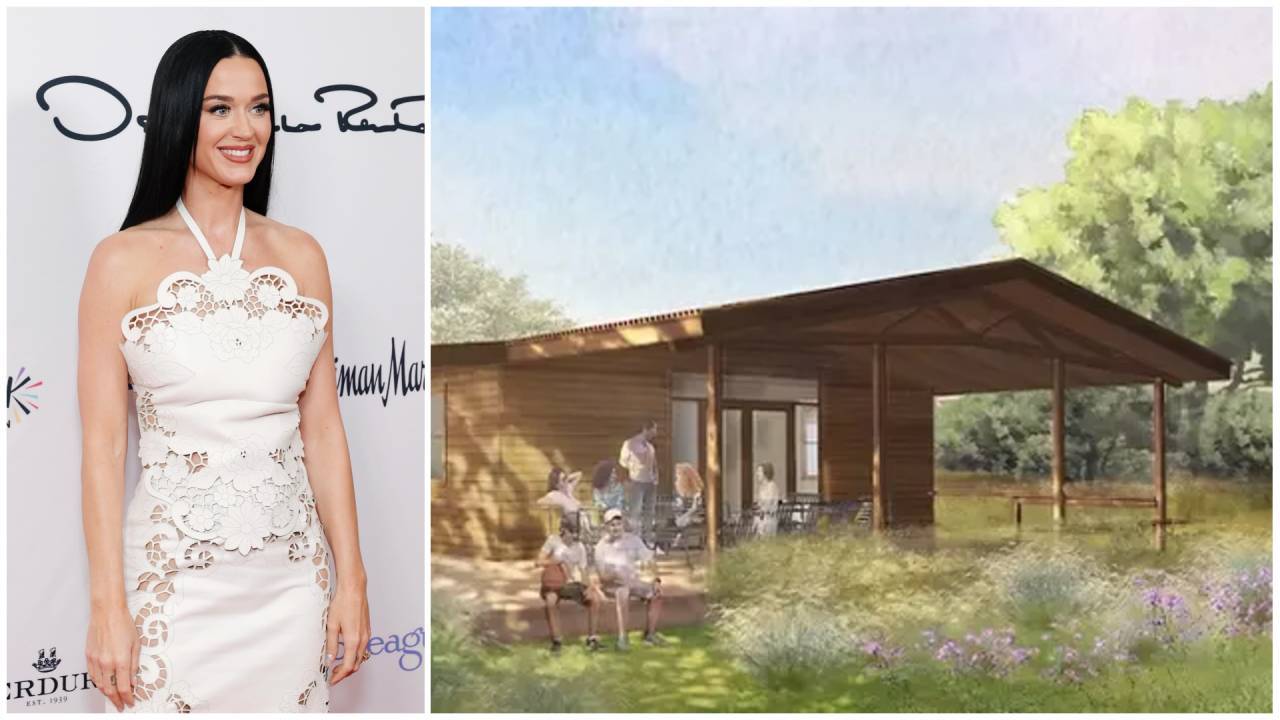
Celebrity philanthropy sounds great on paper, but reality hits hard when it lands right next door. Pop star Katy Perry and her sister, Angela Lerche, are discovering this the hard way as their proposed 110-acre youth camp in California's Goleta Valley faces heavy resistance from local homeowners. More than 360 neighbours have signed a petition pushing back against the project, named Gratitude Canyon, citing very real concerns about wildfire safety, bottlenecked traffic, and persistent noise.
If you look past the celebrity headlines, this battle highlights a classic clash between high-profile community initiatives and the daily lives of residents living on the ground. Let's break down what is actually happening behind the scenes of this Santa Barbara County project, what the local residents are worried about, and why the approval process is turning into a massive hurdle.
What is Gratitude Canyon Trying to Build
The Firework Foundation, run by Perry and her sister, wants to establish a permanent home for Camp Firework. Until now, the programme has operated as a seasonal sleepaway camp giving underserved kids access to the arts, music, and outdoor recreation. The vision for the 183 Winchester Canyon Road property is ambitious.
Plans submitted to the county feature eight cabins, counsellor accommodation, a dining hall, a gymnasium, a swimming pool, tennis and pickleball courts, an amphitheatre, and a professional recording studio. According to project representatives, built structures would only occupy about three per cent of the 110-acre site. The rest of the land would remain open orchards, natural habitats, and outdoor spaces.
Supporters point out that the site offers a positive alternative to heavy commercial development or sprawling housing tracts. Local youth organisations like Girls Inc. of Greater Santa Barbara and the United Boys & Girls Club have backed the effort, praising its mission to empower middle-schoolers through creative expression.
Why Neighbours Are Drawing the Line
Local homeowners aren't buying the PR spin without a fight. Residents from nearby areas like Winchester Commons are asking hard questions about how a facility of this scale will change their quiet community.
Nobody is saying they oppose helping kids. In fact, local residents have made it clear they support Perry's charitable goals. Their frustration is entirely about location, scale, and long-term impact. When you drop a major youth compound into a geographically constrained canyon, the ripple effects are impossible to ignore.
The Wildfire and Evacuation Nightmare
Fire safety sits at the absolute top of the community's worry list. Anyone familiar with California's rugged topography knows that road access is everything during an emergency. The neighbourhoods surrounding Winchester Canyon rely heavily on a single main road for ingress and egress.
Residents fear that mixing hundreds of campers, counsellors, staff members, and visitors into a high-fire-risk zone creates a dangerous bottleneck. If a wildfire sparks during peak occupancy, evacuation routes could become impassable. While the project team insists they consulted emergency management experts and Santa Barbara County fire officials, residents want a much closer look at how evacuation logistics work under worst-case scenarios.
Noise and the Bowl Effect
Geography works against the project here. The canyon acts as a natural acoustic bowl. Local organisers point out that sounds easily carry across the landscape, meaning everyday camp activities could shatter the quiet environment neighbours bought into.
Acoustic modelling submitted by the project team suggests sound levels at the nearest property boundaries would stay below county limits, and the camp plans to enforce strict quiet hours. Even so, residents remain sceptical. Living right next to an amphitheatre and outdoor sports facilities doesn't sound peaceful when you know how sound travels through a canyon.
The Special Events Loophole
Perhaps the biggest flashpoint involves plans for off-season use. The current proposal includes provisions to host up to four special events per year, each drawing up to 400 people.
Homeowners want to know where the line is drawn. They worry the site could slowly morph into a commercial wedding venue or a private concert space once built. The foundation maintains the facility is designed purely for youth programming and that special events will be tightly restricted, but neighbours want binding guarantees written into the land-use rules.
What Happens Next in the Planning Process
Katy Perry's project is still a long way from breaking ground. The review process in Santa Barbara County moves deliberately, and Gratitude Canyon is currently stuck in the early planning stages.
County planners are demanding more data, and a full environmental impact report under the California Environmental Quality Act is still ahead. That means public scoping hearings, reviews by the Planning Commission, and a final vote by the Santa Barbara County Board of Supervisors. While the South Board of Architectural Review praised the early aesthetic designs, architectural approval is only a tiny fraction of the battle.
Celebrity status might draw media attention, but it doesn't bypass local zoning laws or calm worried homeowners who have nowhere else to go. Until the foundation addresses the core safety and traffic demands of the local community, this 110-acre project will remain tied up in bureaucratic friction.