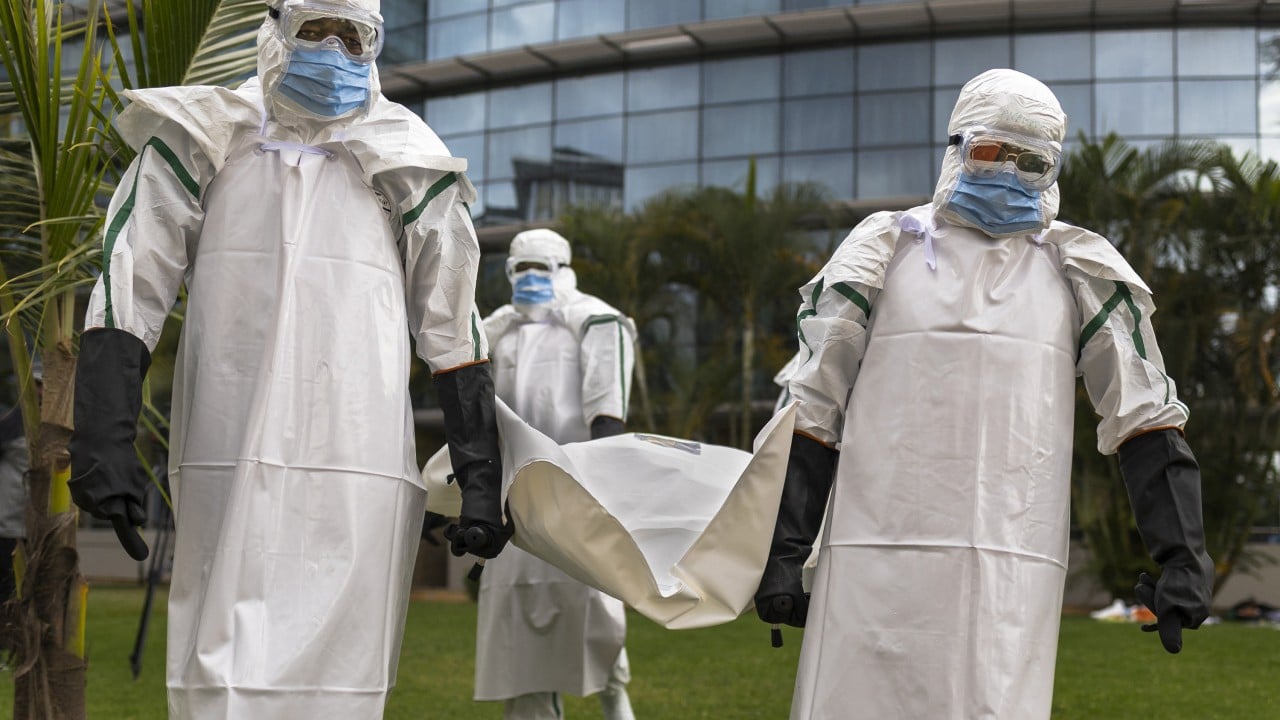
When an imported disease lands in a major international hub, panic usually spreads faster than the virus. But Kenya's handling of its recent Ebola cases tells a very different story of containment, surveillance, and why strict quarantine protocols actually save nations from widespread disaster.
The Ministry of Health recently confirmed a tragic milestone: a second person has died from Ebola in the country. The patient was a close family member of the index case—the man who contracted the virus in the Democratic Republic of Congo, traveled through Uganda, and arrived in Nairobi in early October before passing away.
While any fatality triggers immediate anxiety, the epidemiological reality on the ground points to a system working exactly as intended. Here is what is actually happening behind the headlines.
The Containment Strategy That Prevented Widespread Transmission
When the first patient tested positive on October 5 and died the same day, public health teams sprang into action. They mapped out roughly 135 direct contacts, tracking down family members, close associates, and healthcare workers who had crossed paths with the infected individual.
More than 130 of those high-risk contacts were immediately placed into mandatory quarantine facilities.
This single administrative decision changed the trajectory of the outbreak. Because the subsequent patients—including relatives and medical staff who cared for the initial patient—were already isolated and under daily medical observation, their symptoms were caught the moment they appeared.
When you trap a virus inside a monitored perimeter, it loses its primary weapon: anonymity.
Understanding the Numbers Behind the Outbreak
Kenya's total confirmed case count has risen, but context matters immensely. Outbreaks are won or lost in the community. As of late October, public health officials maintain that there is zero evidence of wider community transmission. Every single confirmed infection traces directly back to the original imported case.
The second death involved a patient who had already been locked into isolation after showing early warning signs. While losing a life is a setback, catching the infection inside a quarantine ward means the virus did not get a free pass to circulate through open markets, public transport, or crowded neighborhoods.
Health systems are judged by their friction. If a contact slips into the general population, an outbreak explodes. If contacts are tightly managed, numbers may tick upward inside isolation units while the general public remains safe. That is precisely the line Kenya has managed to hold.
Why Border Screening and Airport Protocols Matter
Cross-border mobility is the Achilles' heel of modern epidemiology. The initial patient navigated multiple transit zones before reaching Nairobi. In response, Kenyan authorities tightened screening measures, designating specific gates at Jomo Kenyatta International Airport for flights arriving from regions heavily impacted by ongoing outbreaks.
You cannot seal a country off from global trade and travel entirely, nor should you. Economic strangulation creates mistrust, forcing sick people to hide their symptoms and bypass screening points. Targeted surveillance—focusing resources on high-risk arrivals while keeping general borders open—strikes the only sustainable balance.
What the Coming Weeks Will Reveal
The critical window for Kenya's current containment phase relies on the standard 21-day incubation period for the virus. The earliest cohorts placed into isolation are finishing their monitoring windows. Individuals who clear this timeline without developing symptoms will be discharged back to their families.
Health ministries have started appealing directly to local communities to welcome recovering individuals and released contacts back without stigma, emphasizing that cleared persons pose zero risk of infection.
Ebola remains a terrifying pathogen, driven by fears forged in past regional crises. Yet, the situation unfolding in East Africa demonstrates that rapid contact tracing, transparent official reporting, and immediate quarantine protocols can stop a high-consequence virus in its tracks before it ever finds a foothold in the open population.